• Weather radar tracked meteorites falling into Cape Cod Bay after a 1.1-kiloton fireball over Massachusetts on 30 May 2026; researchers have now traced its orbit almost out to Jupiter.

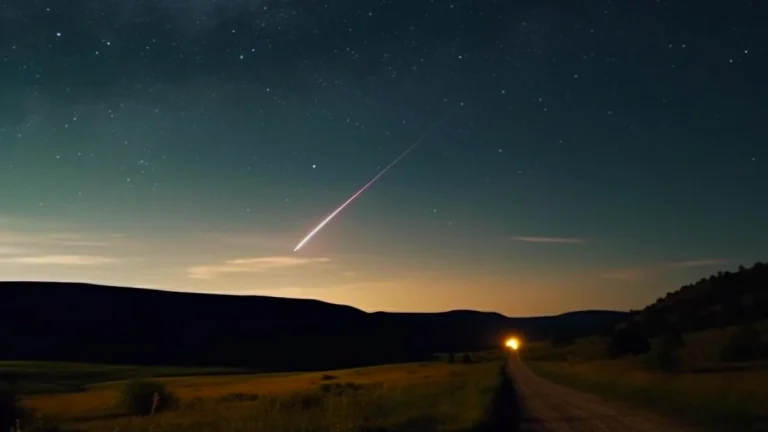
    Weather radars picked up meteorites falling toward Cape Cod Bay after a bright fireball crossed Massachusetts on May 30, 2026. Researchers have now combined those echoes with meteor-radar and pressure recordings to reconstruct the object’s path through the atmosphere and its earlier orbit around the Sun. Their study is still under review.
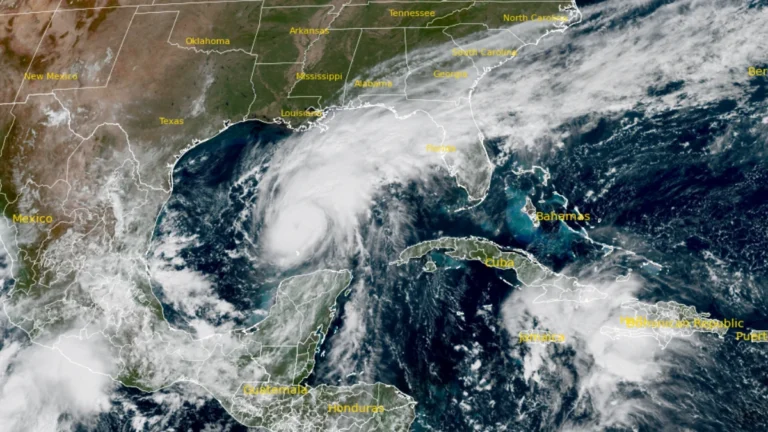
  • 10 named storms, one hurricane for the first time since 1925: Why has the Atlantic been so quiet in 2026

    The Atlantic could finish 2026 with just one hurricane for the first time since 1925. Isaias remained the season’s only hurricane on November 15, with El Niño helping limit development. Another hurricane could still change that tally before the official season ends on November 30.

  • Amazon fire hotspots rise 82.6% in October 2026 as El Niño intensifies

    A strengthening El Niño is helping dry the Amazon as fires escape into standing forest during the 2026 fire season. Over a much longer period, researchers have also documented increasing damage from storm winds. Understanding both threats requires separating the drought conditions that allow fires to spread from the thunderstorms that can bring trees down.

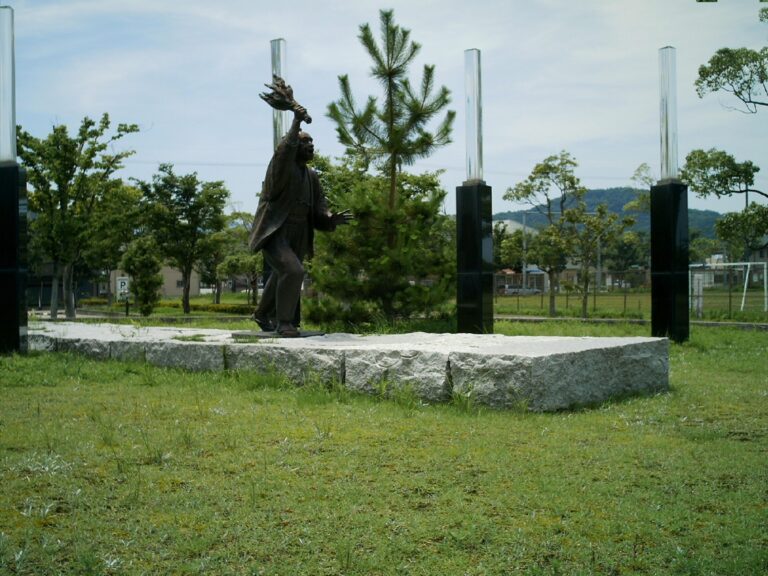
  • A soy sauce maker used fire to guide villagers through Japan’s 1854 tsunami, then funded a seawall that protected most of Hiro in 1946

    Soy sauce maker Hamaguchi Goryō lit rice-straw fires to guide villagers to higher ground when a tsunami struck Hiro, Japan, in darkness on December 24, 1854. He then financed an embankment that protected most of the settlement from the 1946 Nankai tsunami, 88 years after its completion.

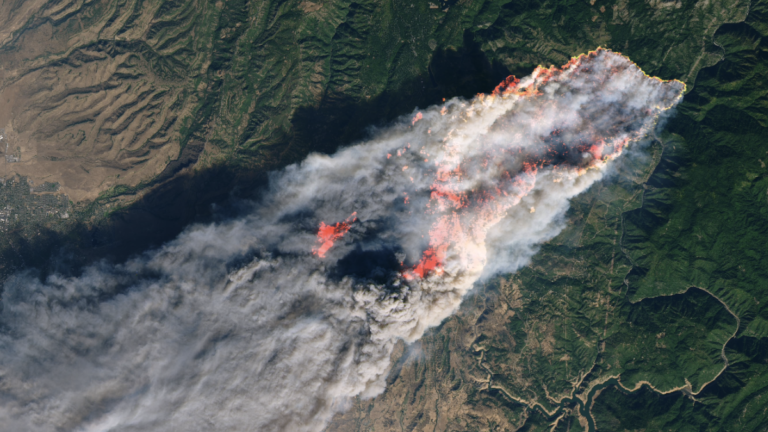
  • A school bus driver in Paradise, California, drove 22 children through the 2018 Camp Fire for about five hours, and when the smoke thickened, he and two teachers tore his shirt into wet strips for them to breathe through

    Twenty-two children were still waiting at Ponderosa Elementary School when the Camp Fire forced their evacuation from Paradise, California, on November 8, 2018. Kevin McKay, a bus driver with only a few months on the job, took them aboard with two teachers. Their escape lasted about five hours and included an improvised response to smoke using his shirt and one bottle of water.

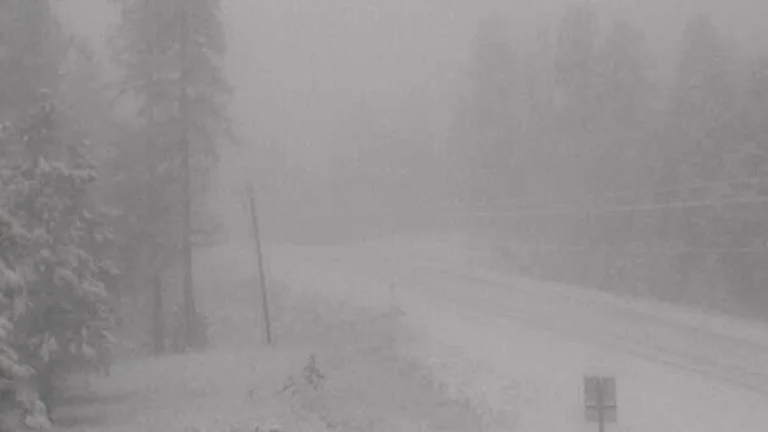
  • A 19-year-old Nebraska teacher reportedly tied her pupils together with twine and led them to safety through a blizzard in January 1888

    On January 12, 1888, a violent blizzard tore the roof from a rural Nebraska schoolhouse, forcing 19-year-old teacher Minnie Freeman to lead her pupils through blinding snow to a nearby farmhouse. Contemporary reports describe her linking the children with twine and carrying the youngest. Everyone reached shelter, but historical accounts disagree on how many children she rescued and how far they walked.

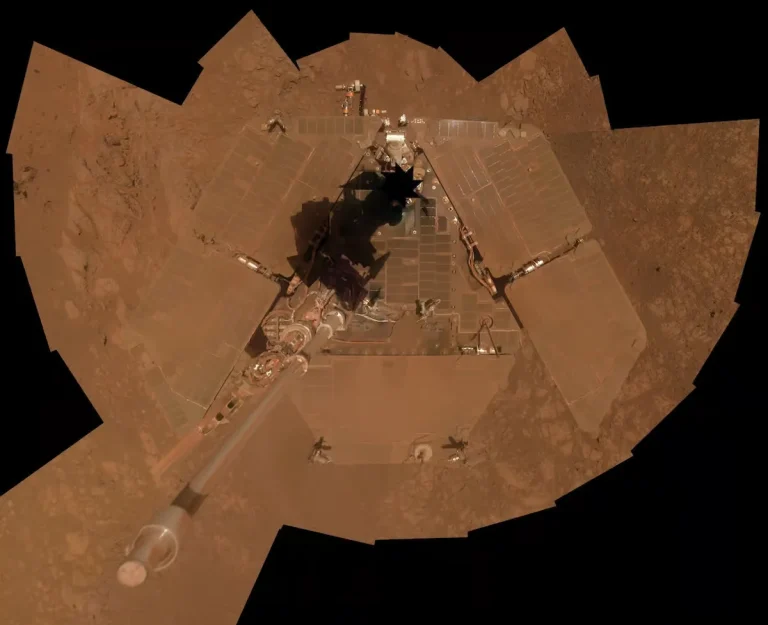
  • NASA built the Opportunity rover to last 90 days on Mars, and Martian winds helped keep it alive for nearly 15 years by blowing dust off its solar panels, until a planet-wide dust storm in 2018 blocked sunlight and silenced the rover

    On June 10, 2018, engineers at NASA’s Jet Propulsion Laboratory received the final signal from Opportunity, a Mars rover that had already outlived its planned mission by more than a decade. Its solar panels had repeatedly benefited from dust-clearing winds, but an extraordinary atmospheric dust storm was cutting off the sunlight needed to recharge its batteries. Eight months of recovery efforts followed, ending with NASA’s formal mission closure in February 2019.

  • In the winter of 1811–12, earthquakes near New Madrid, Missouri, shook so hard that witnesses saw the Mississippi River flow backward, and the shaking left a brand-new lake in Tennessee

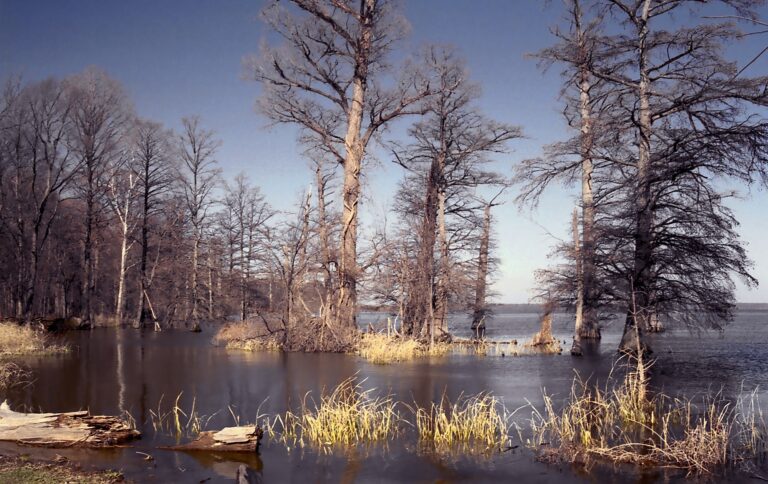
    During the New Madrid earthquakes of 1811–1812, waves and sudden riverbed uplift sent parts of the Mississippi River surging upstream. The February 7, 1812 shock also reshaped northwestern Tennessee, where ground subsidence and obstructed drainage helped form modern Reelfoot Lake. The river disturbance was temporary; the flooded landscape endured.

  • On 28 August 1859 a solar storm shocked telegraph operators and threw sparks on other lines, and on 2 September Boston to Portland clerks unhooked their batteries and kept sending for more than two hours on the aurora’s current alone.

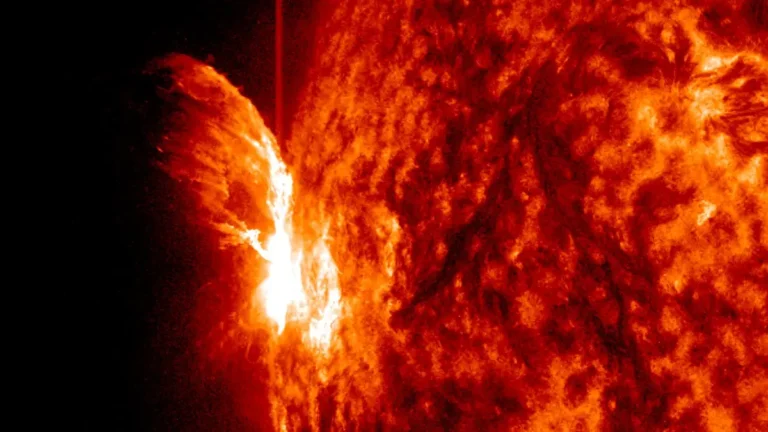
    Solar storms on August 28 and September 2, 1859, drove disruptive currents through telegraph networks, shocking operators and throwing sparks from equipment. During the second storm, operators between Boston and Portland, Maine, disconnected their batteries and exchanged messages for more than two hours using the storm-induced current alone.

  • In 2019, the Ronald Reagan Presidential Library hired hundreds of goats to eat 13 acres of brush around it; months later the Easy Fire surrounded the library, and the fire break the goats left behind slowed the flames before they reached the building

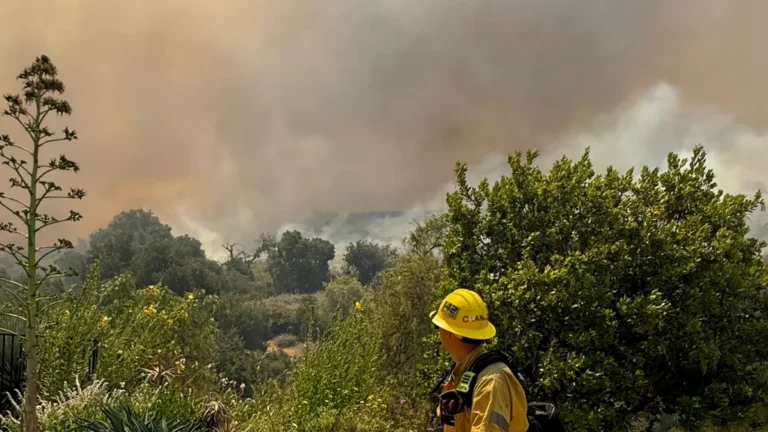
    Vincent van Goat and Selena Goatmez were among the animals hired to eat brush around the Ronald Reagan Presidential Library in May 2019. Months later, when the Easy Fire surrounded the hilltop complex, library staff credited the herd’s appetite with helping firefighters protect the buildings and the presidential history inside.