
Latest articles
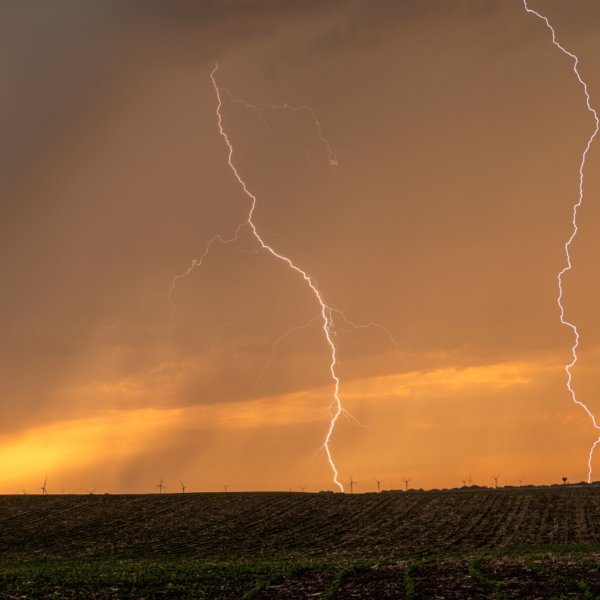
On October 22, 2017, a single flash of lightning stretched 515 miles from eastern Texas to near Kansas City, a distance that takes eight hours to drive, and nobody realized how far it had gone until scientists went back through the satellite data years later
On the evening of October 22, 2017, a huge storm system covered the middle of the United States, from Texas north into Missouri and Iowa. Lightning flickered across the sky for hours, as it does in any big storm. But…
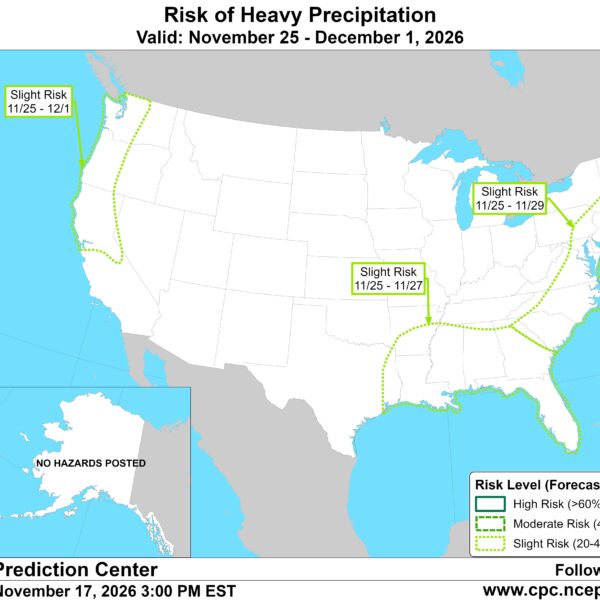
CPC posts a slight risk of heavy rain from the Gulf Coast to the Northeast urban corridor November 25-29, and a moderate risk of West Coast wind and Sierra snow on November 25
The Climate Prediction Center’s week-2 hazards outlook, issued November 17, posts a slight risk of heavy precipitation for the Gulf Coast, Tennessee and Lower Mississippi Valleys and the Southeast on November 25-27, and for the Mid-Atlantic and Northeast urban corridor…
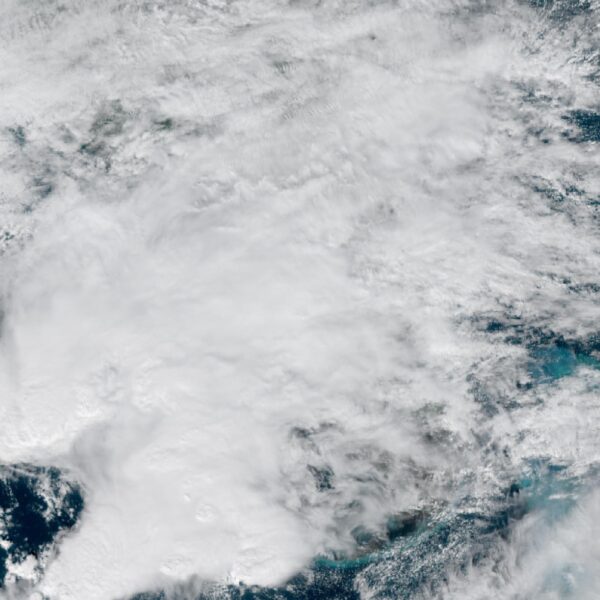
Florida’s east coast faces a moderate flash flood risk Wednesday through Friday, with 4 to 8 inches of rain forecast and the St. Johns River near Cocoa already in major flood at 17.13 feet
The Weather Prediction Center has a moderate, or level 3 of 4, risk of flash flooding on Florida’s east-central and northeast coast Wednesday through Friday. The Florida Division of Emergency Management forecasts 4 to 8 inches of rain along the…
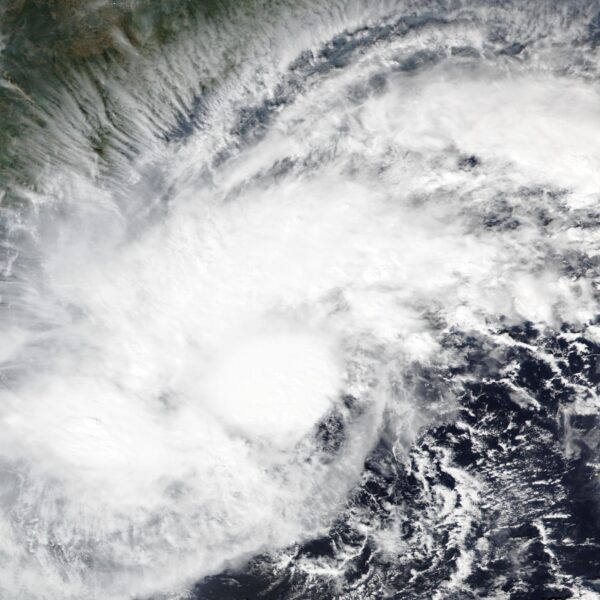
Cyclone Akvan to make landfall between Nellore and Visakhapatnam around noon on November 20, IMD forecasts 120-130 km/h winds gusting to 145
The India Meteorological Department forecasts Cyclone Akvan will cross the Andhra Pradesh and Yanam coasts between Nellore and Visakhapatnam around noon on November 20 as a very severe cyclonic storm, with maximum sustained winds of 120 to 130 km/h, gusting…
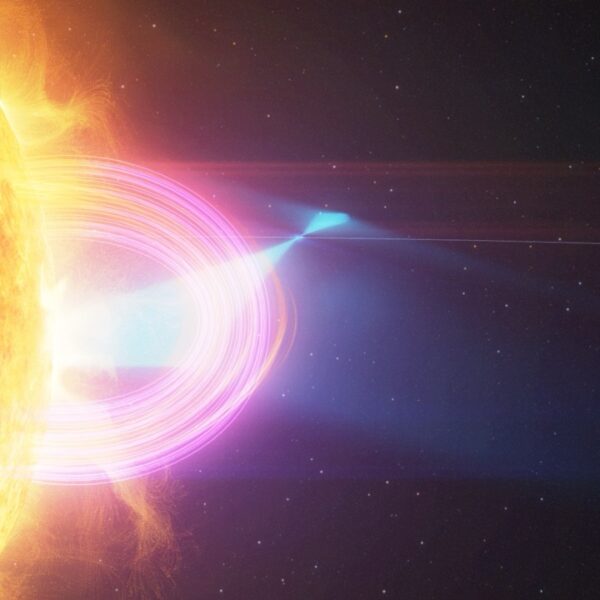
Radio pulses every 7.9 minutes reveal binary with white dwarf and Sun-like star
Astronomers have identified GPM J071507−114153, a long-period radio transient producing pulses every 7.9 minutes, as a binary containing a low-mass white dwarf and a G-type star similar to the Sun. The system expands the known range of white-dwarf long-period transients…
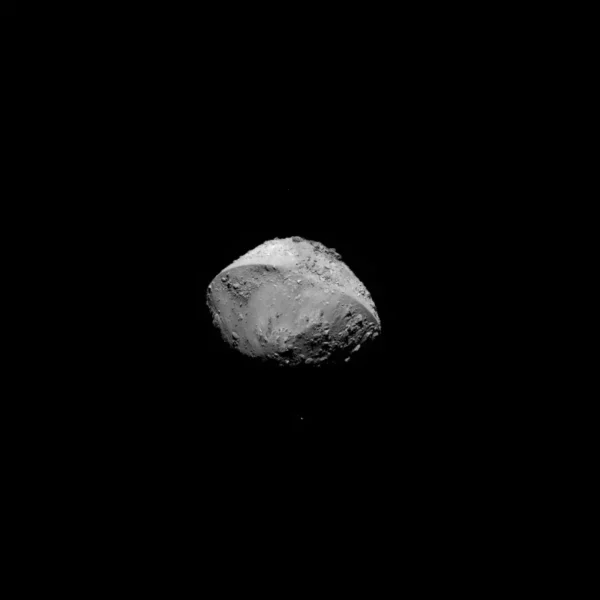
Hera begins close survey to explain why DART deflected Dimorphos so strongly
ESA’s Hera spacecraft is now examining the Didymos-Dimorphos binary asteroid system from 28.5 km (17.7 miles), combining visible-light, 25-band multispectral and thermal-infrared observations as it begins the close-range investigation of NASA’s 2022 DART impact. DART shortened Dimorphos’ orbit by about…
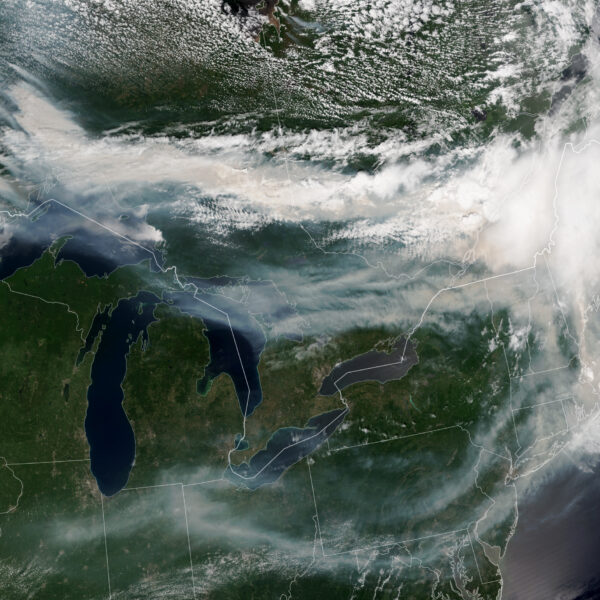
NASA’s STRIVE mission targets long-standing 3D observing gap in the upper atmosphere
NASA’s planned STRIVE mission would use two limb-viewing instruments to produce more than 400 000 profiles of temperature, ozone, trace gases, aerosols and clouds each day at about 1 km (0.6 miles) vertical resolution. Selected for continued development on February…

Three Australian estuarine fish species maintain performance across thermal extremes
Three estuarine fish species sampled from 20 sites along approximately 1 000 km (620 miles) of eastern Australia maintained broadly comparable physiological performance across sharply different thermal environments, according to research published in Global Change Biology on October 19, 2026.…
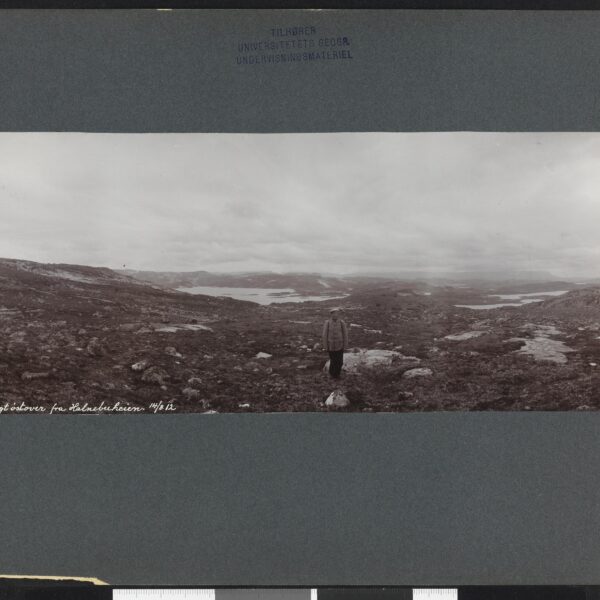
Lightning killed 323 wild reindeer at once on a Norwegian mountain plateau in 2016, and the crows and ravens that came to eat them left droppings full of crowberry seeds that could still sprout, clustered around the bodies
Lightning killed 323 wild tundra reindeer on Norway’s Hardangervidda plateau on August 26, 2016, leaving hundreds of carcasses concentrated across a small area of alpine tundra. Researchers later found bird droppings concentrated toward the carcasses and viable crowberry seeds in…
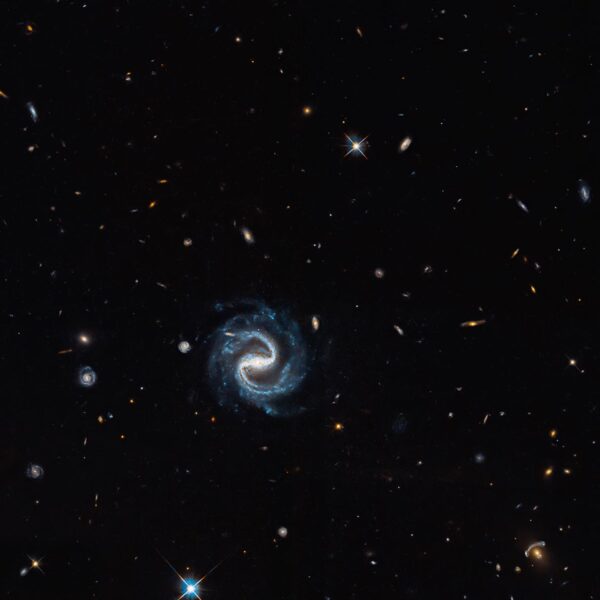
Hubble gravitational lenses prepare Roman to test dark matter on small scales
NASA released a new Hubble collection of strong gravitational lenses on November 12, 2026, giving astronomers high-resolution systems to model before the Nancy Grace Roman Space Telescope begins science operations. The observations are intended to test how dark matter is…

Helicopters plucked almost 100 people from the Cornish village of Boscastle when a flash flood hit in 2004, and not one person died
An extreme flash flood tore through Boscastle, Cornwall, on August 16, 2004, after exceptionally intense rainfall became concentrated over the small Valency catchment. Six military helicopters airlifted 97 people to safety and about 200 people were rescued overall by helicopters…
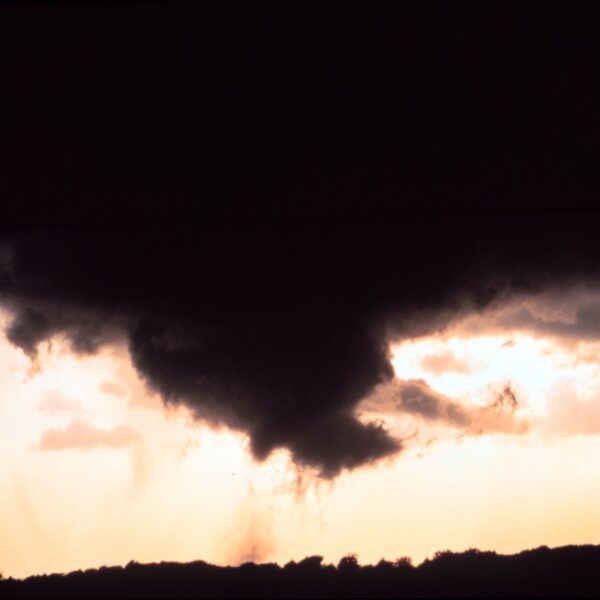
A Kansas farmer looked straight up into a tornado in 1928 and saw a hollow tube at least half a mile tall, its walls lit by constant flashes of lightning
On June 22, 1928, Kansas farmer Will Keller reported looking straight up into a tornado as one of three funnels passed over his storm cellar near Greensburg. He described a hollow, lightning-lit opening about 15–30 m (50–100 feet) across and…
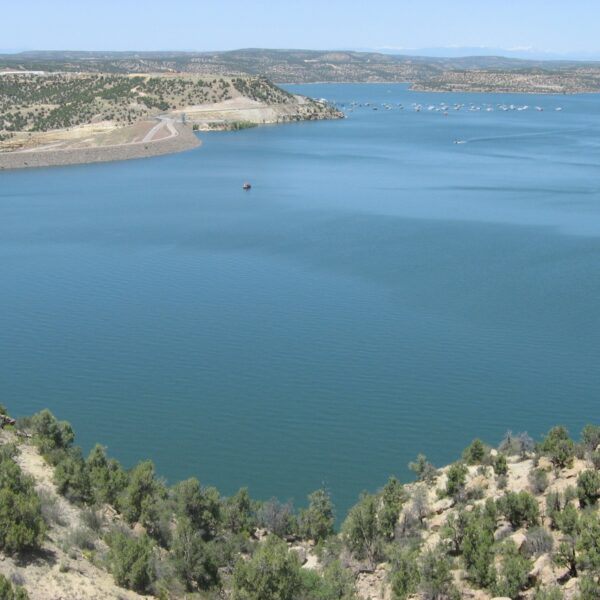
New Mexico’s Navajo Reservoir rose nearly 60 feet in seven weeks this fall, after a winter with almost no snow, as storms flooded the San Juan River
Navajo Reservoir in northern New Mexico and southern Colorado rose nearly 18 m (60 feet) between September 20 and November 7, 2026, after a winter snow drought produced relatively little spring growth. Successive autumn storms flooded the San Juan River…
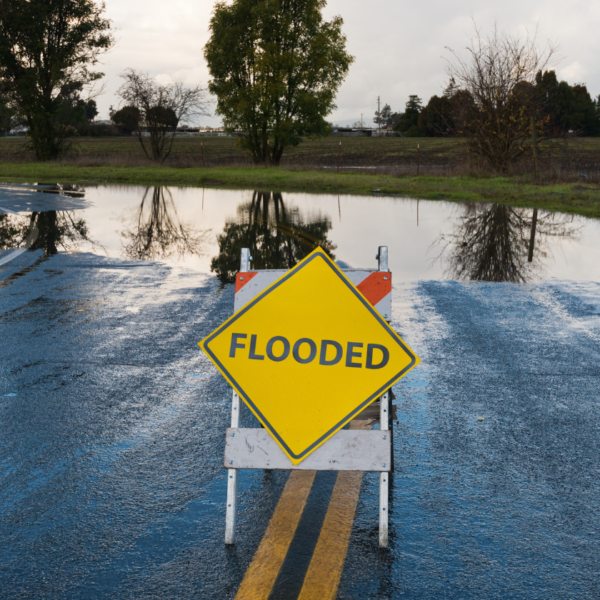
The storms drenching California this week are fed by a river in the sky, a band of water vapor that can carry up to 15 times the flow of the Mississippi River, and this winter’s near-record El Niño could keep aiming more of them at the West Coast
Across California this week, people are clearing gutters, filling sandbags and checking road closures. Forecasters expect flooding rain from the Bay Area to San Diego, heavy snow in the Sierra Nevada and strong winds, with the worst of it on…
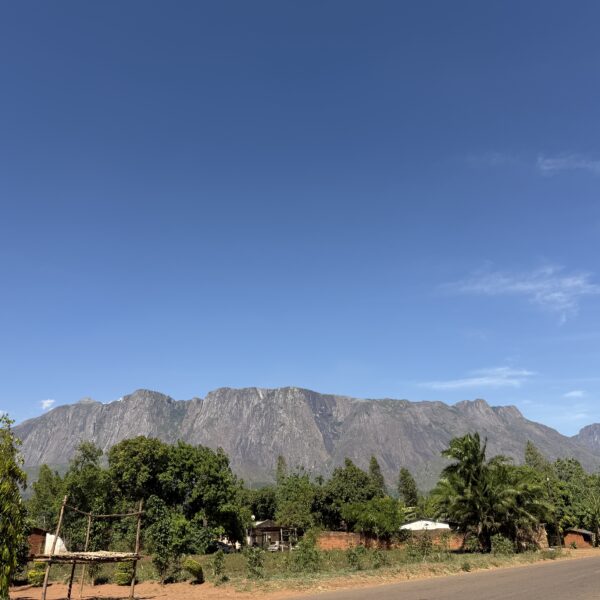
Malawi continues Bris AI weather forecasting tests ahead of operational integration
Malawi’s Department of Climate Change and Meteorological Services (DCCMS) is continuing to test a locally deployable AI weather-prediction system built around MET Norway’s Bris model and ECMWF’s Forecast-in-a-Box. WMO marks the CREWS-funded project as completed in June 2026, while MET…
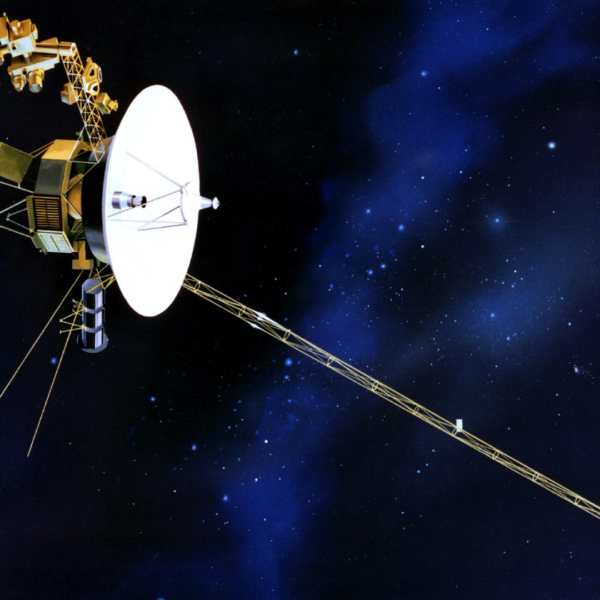
Right about now, Voyager 1 is crossing a line no human-made object has ever reached, a full light-day from Earth, which means a message NASA sends tonight won’t arrive until tomorrow night, and the spacecraft’s answer won’t make it home until the night after that
At 10:16 UTC on Wednesday, November 18, a spacecraft about the size of a small car will slip past a boundary no human-made object has ever crossed. Voyager 1 will be one light-day from Earth, roughly 16.1 billion miles away.…
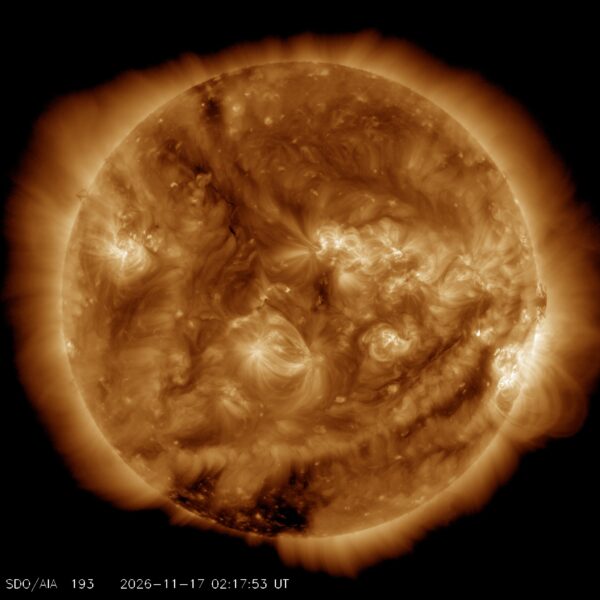
G1 geomagnetic storm watch remains in effect as NOAA forecasts Kp 4.67 late on November 17 and early on November 18
NOAA’s Space Weather Prediction Center is forecasting isolated G1 geomagnetic storms late on November 17 and early on November 18, with Kp expected to reach 4.67, driven by a coronal hole high-speed stream and a low-confidence glancing CME.
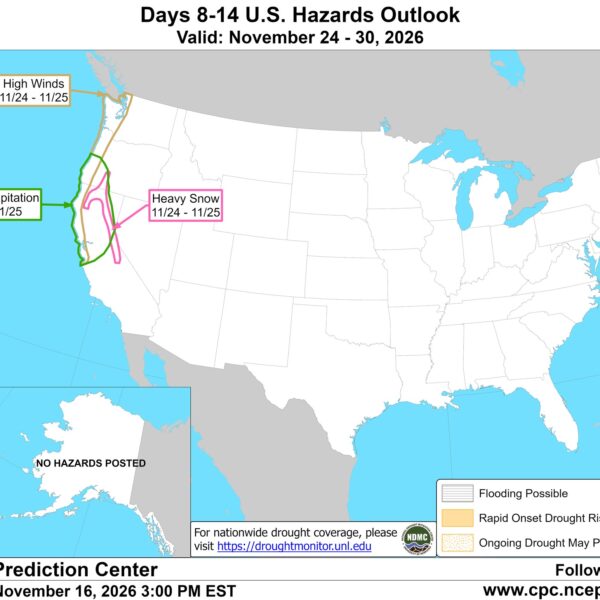
Atmospheric river brings moderate risk of heavy rain, mountain snow and high winds to northern California and southwest Oregon on November 24-25
The Climate Prediction Center posted a moderate risk of heavy rain, mountain snow and high winds for northern California and southwestern Oregon on November 24-25, associated with a strong pulse of Pacific moisture. The storm is separate from the atmospheric…
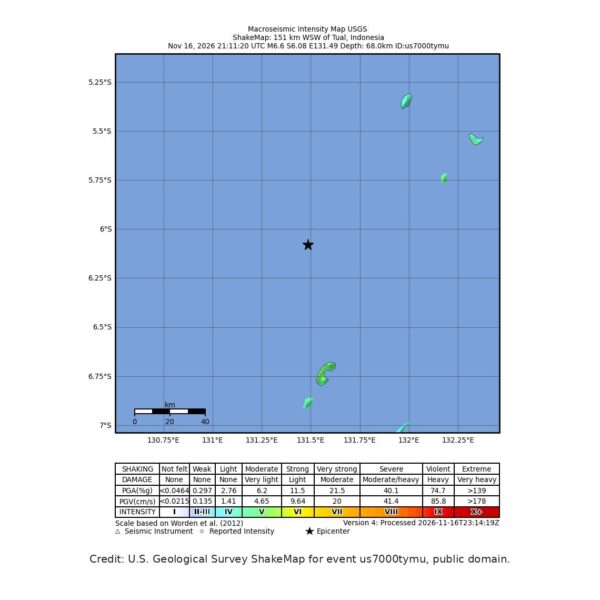
M6.6 earthquake hits the Banda Sea 148 km west-southwest of Tual, Indonesia, at 68 km depth, USGS issues Green alert
A magnitude 6.6 earthquake struck the Banda Sea 148 km west-southwest of Tual, Indonesia, at 21:11 UTC on November 16, the U.S. Geological Survey reported. USGS issued a Green alert, and BMKG said the earthquake did not have tsunami potential.
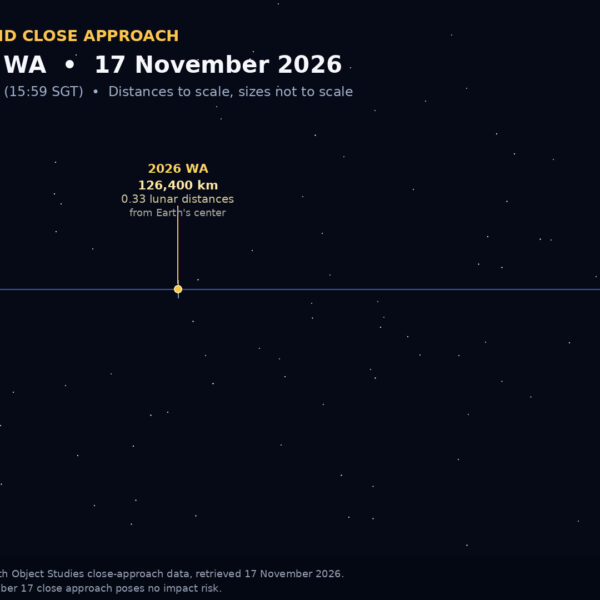
Asteroid 2026 WA passed Earth at 126,400 km, about a third of the Moon’s distance, at 07:59 UTC on November 17
Asteroid 2026 WA passed Earth at 07:59 UTC (15:59 SGT) on November 17 at about 126,400 km, or roughly a third of the Moon’s distance, according to NASA’s Jet Propulsion Laboratory. The close approach posed no impact risk.
