
Spain’s heatwave to peak Thursday, temperatures locally exceed 45°C (113°F)
AEMET warns exceptional heat will intensify through July 23, 2026, as a persistent blocking pattern and Saharan air mass drive temperatures above 45°C (113°F) locally, with extreme wildfire danger and very warm nights across much of the country.
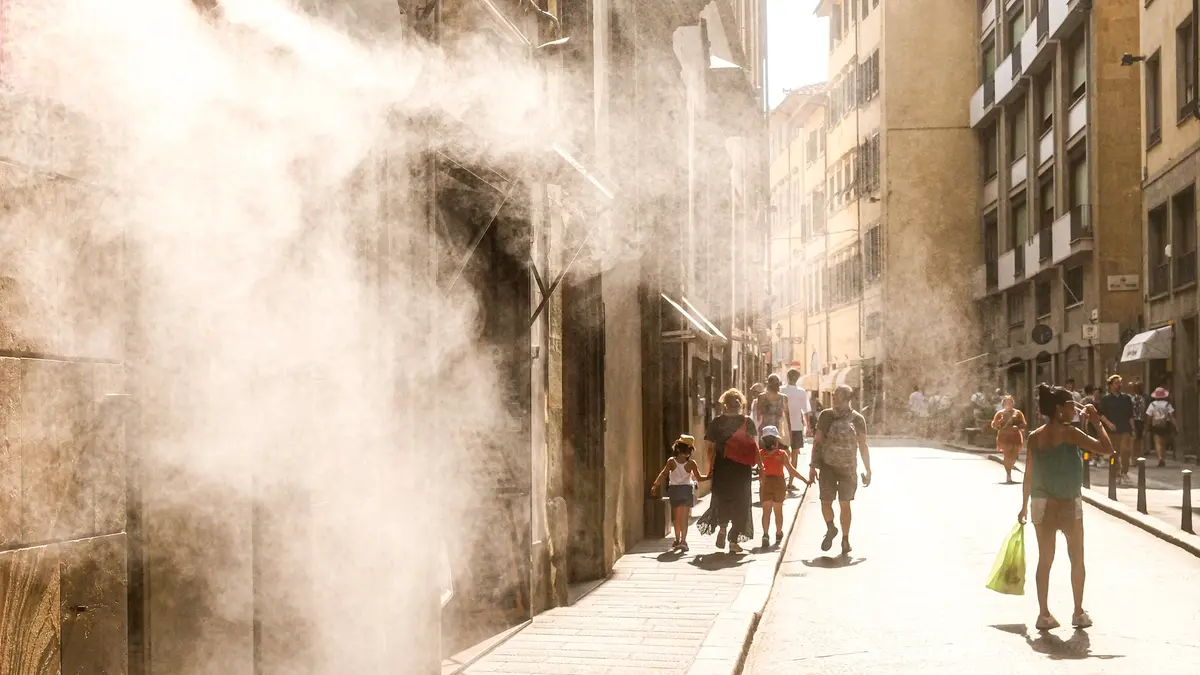
Image credit: Richard Vanlerberghe/Unsplash
Spain’s heatwave is expected to intensify through Thursday, July 23, with temperatures locally exceeding 45°C (113°F) in parts of the country’s southeast as a persistent atmospheric blocking pattern continues to funnel extremely hot, dry Saharan air across the Iberian Peninsula.
The Spanish State Meteorological Agency (AEMET) issued Special Adverse Weather Bulletin No. 23/2026, warning that the heatwave began on Tuesday, July 21, and is expected to continue at least through Thursday, July 23. The agency assigned a high probability of 70% to the event and identified the southeastern third of Spain, the Guadalquivir Valley, the Ebro Valley, northeastern depressions, the Pyrenean valleys and inland Mallorca as the most affected areas.
According to AEMET, the event is being driven by a strengthening blocking pattern together with a cut-off low (DANA) west of the Iberian Peninsula. This circulation is allowing a hot, dry and dust-laden Saharan air mass to spread across much of mainland Spain and the Balearic Islands. Combined with strong midsummer solar heating and atmospheric subsidence, these conditions are expected to produce exceptionally high daytime temperatures and unusually warm nights.
The agency warned that the heat will pose a significant danger during the hottest hours of the day, particularly for outdoor activities and vulnerable people, including older adults and those with cardiovascular disease. Nighttime temperatures are also expected to remain exceptionally high, limiting overnight cooling.
AEMET warned that wildfire danger will increase to extreme levels during the event. The agency said the elevated fire risk may coincide with isolated dry afternoon thunderstorms over mountainous regions, creating conditions favorable for new wildfire ignitions.
On Monday, July 20, maximum temperatures were expected to reach 38–40°C (100–104°F) in the Ebro Valley and northeastern depressions, 39–41°C (102–106°F) in the upper and middle Guadalquivir Valley, the Genil Basin and inland Mallorca, and 40–42°C (104–108°F) in parts of southeastern inland Spain.
On Tuesday, July 21, forecast highs increased to 39–41°C (102–106°F) in the Ebro Valley, northeastern depressions, eastern Castilla-La Mancha, the Guadalquivir Valley and inland Mallorca, while the Genil Basin was expected to reach 40–42°C (104–108°F). Parts of southeastern inland Spain were forecast to reach 41–43°C (106–109°F), with temperatures locally exceeding 44°C (111°F).
Similar conditions were expected on Wednesday, July 22, with maximum temperatures of 39–41°C (102–106°F) across the Ebro Valley, northeastern depressions, eastern Castilla-La Mancha and inland Mallorca, 40–42°C (104–108°F) in the Guadalquivir Valley and the Genil Basin, and 41–43°C (106–109°F) across southeastern inland Spain. Temperatures were again expected to locally exceed 44°C (111°F).
According to AEMET, Thursday, July 23, will be the peak of the heatwave. Forecast highs include 37–39°C (99–102°F) in inland Mallorca, 39–41°C (102–106°F) in eastern Castilla-La Mancha, 40–42°C (104–108°F) in the Ebro Valley and northeastern depressions, 41–43°C (106–109°F) in the Guadalquivir Valley, surrounding mountains and the Genil Basin, and 42–44°C (108–111°F) across southeastern Spain. Temperatures may locally exceed 45°C (113°F), prompting the agency to urge the public to exercise extreme caution during the hottest part of the day.
Temperatures are expected to begin easing from Friday, July 24, although AEMET noted that forecast uncertainty remains high and the heatwave could continue beyond Thursday.
Throughout the event, daytime temperatures are expected to exceed 35°C (95°F) across much of mainland Spain and the Balearic Islands, while many inland areas will rise above 40°C (104°F). Overnight minimum temperatures will remain above 20°C (68°F) across large parts of southern and eastern Spain and the Balearic Islands, with some Mediterranean coastal areas and parts of the Guadalquivir Valley not expected to fall below 25°C (77°F), resulting in widespread tropical and locally torrid nights.
Authorities are advising residents and visitors to avoid strenuous outdoor activities during the hottest hours of the day, stay well hydrated, and monitor official forecasts and weather warnings as the heatwave evolves.
References:
1 Aviso especial de fenómenos adversos número 23/2026 – AEMET – July 18, 2026

I’m a science journalist and researcher at The Watchers, contributing to the Epicenter edition, where I cover peer-reviewed scientific research and emerging discoveries across Earth and space sciences. With a background in astronomy and a passion for environmental science, I’ve worked in shark and coral conservation in Fiji, conducting reef and shark-behavior research, contributing to mangrove restoration, and earning PADI Open Water and Coral Reef Certifications. I bring a blend of scientific rigor and storytelling to illuminate the discoveries shaping our planet and beyond.

Commenting rules and guidelines
We value the thoughts and opinions of our readers and welcome healthy discussions on our website. In order to maintain a respectful and positive community, we ask that all commenters follow these rules.