Tornado injures four and damages 75 homes in Ca Mau, Vietnam
A tornado that developed during severe thunderstorms injured four people and damaged 75 homes across Vietnam’s southern Ca Mau Province on July 13, 2026.


I’m a science journalist and researcher at The Watchers, contributing to the Epicenter edition, where I cover peer-reviewed scientific research and emerging discoveries across Earth and space sciences. With a background in astronomy and a passion for environmental science, I’ve worked in shark and coral conservation in Fiji, conducting reef and shark-behavior research, contributing to mangrove restoration, and earning PADI Open Water and Coral Reef Certifications. I bring a blend of scientific rigor and storytelling to illuminate the discoveries shaping our planet and beyond.
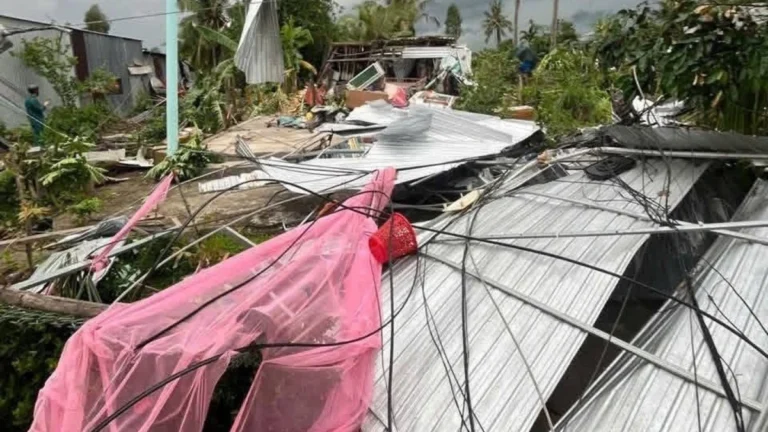
A tornado that developed during severe thunderstorms injured four people and damaged 75 homes across Vietnam’s southern Ca Mau Province on July 13, 2026.

The Bundibugyo Ebola outbreak in the Democratic Republic of the Congo (DRC) has reached 1 926 confirmed cases and 702 deaths, according to the country’s latest official figures reported on July 13. The epidemic has expanded across five provinces as international response efforts intensify, experimental countermeasures advance, and the United States introduces new travel measures aimed at reducing the risk of international spread.

The Fontainebleau wildfire has more than doubled in size since Monday, burning at least 1 900 ha (4 696 acres) by Tuesday morning, July 14, as firefighters continued battling multiple active fire fronts and police expanded a suspected arson investigation following the arrest of two people.
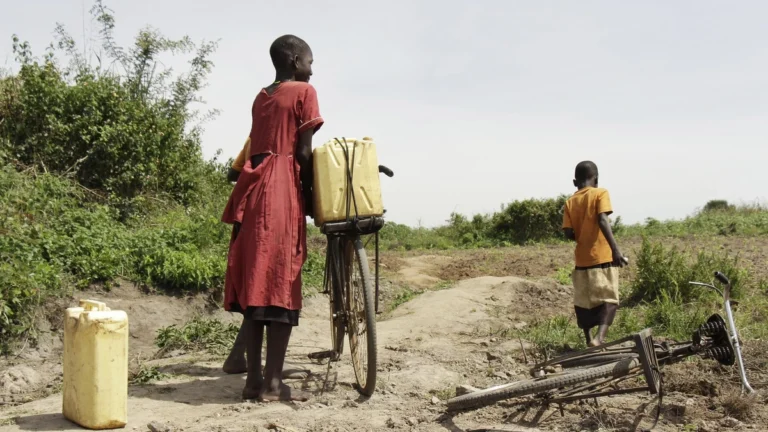
Uganda launched emergency food relief operations on July 9, 2026, after the government reported 16 deaths from causes associated with food shortages in the drought-hit Karamoja sub-region, where prolonged dry conditions have caused widespread crop failures and prompted additional emergency assistance for the worst-affected districts.
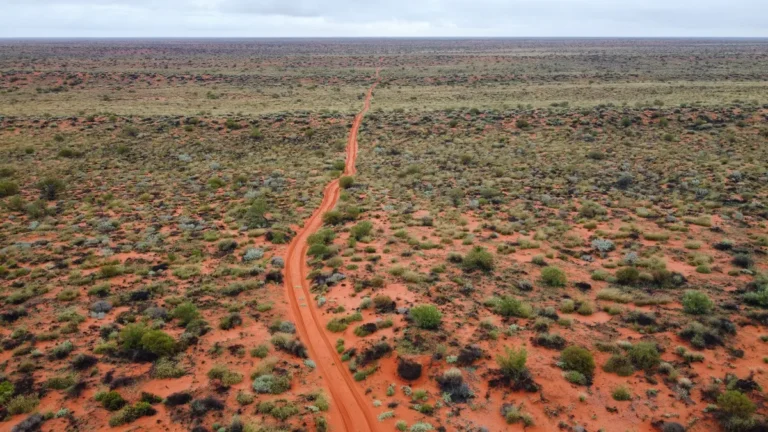
El Niño has become established across the tropical Pacific, while seasonal forecast models favor the development of a positive Indian Ocean Dipole (IOD) during the Southern Hemisphere winter and spring, according to the Australian Bureau of Meteorology (BoM). If both climate drivers persist, they would increase the probability of warmer and drier conditions across much of Australia during the second half of 2026.

A prolonged heatwave continued across France on Monday, July 13, with 37 departments under red heatwave vigilance and another 39 under orange vigilance. Exceptionally warm nights, increasingly dry soils and a nationwide wildfire danger are expected to persist as the highest temperatures shift toward central and eastern parts of the country.
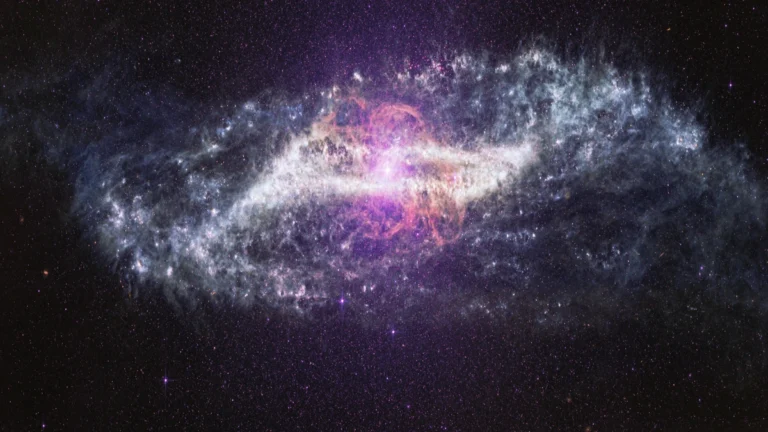
New observations from NASA’s James Webb Space Telescope, released on July 6, 2026, to mark the observatory’s fourth year of science operations, have revealed the nearby active galaxy Centaurus A in remarkable infrared detail, exposing dust structures, hidden stellar populations, and activity surrounding its central supermassive black hole. Combined with findings from a preprint published on arXiv on July 6, 2026, and a study published in Astronomy & Astrophysics on July 18, 2025, the observations provide one of the clearest views yet of how an ancient galactic merger continues to shape star formation and the galaxy’s energetic nucleus billions of years later.
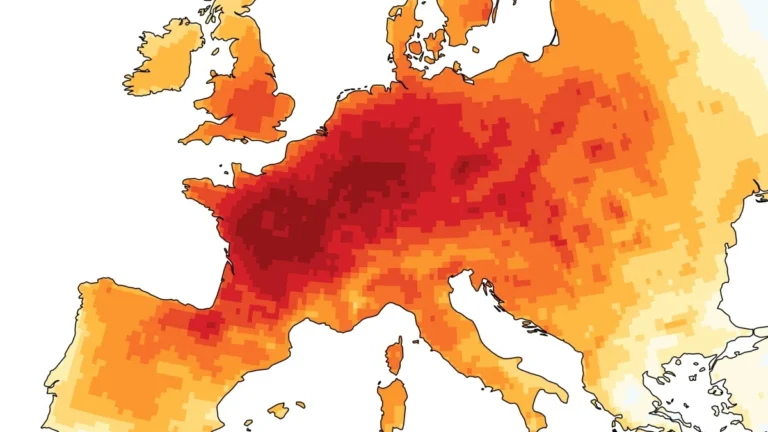
Western Europe recorded its warmest June on record in 2026, with an average temperature of 20.74°C (69.3°F), 3.06°C (5.51°F) above the 1991–2020 average, according to the Copernicus Climate Change Service (C3S). The record-breaking month coincided with widespread heatwaves across western and central Europe that set national and local temperature records, while June ranked as the second-warmest globally in the ERA5 dataset.

A landslide triggered by heavy monsoon rainfall struck the under-construction Anakkampoyil–Kalladi–Meppadi tunnel road project near Kalladi in Kerala’s Wayanad district at about 11:00 LT on July 7, 2026, killing three migrant workers, injuring seven others and leaving five people missing, according to Kerala authorities. Rescue operations continued on July 8 despite persistent rainfall that hampered access to the site.
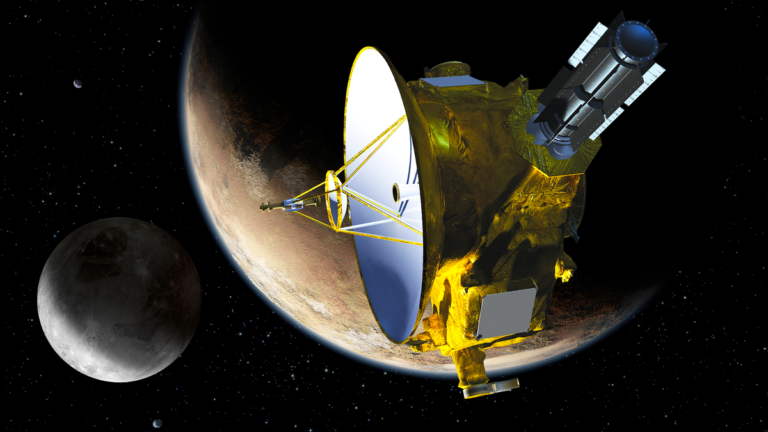
NASA announced on July 7, 2026, that its New Horizons spacecraft has resumed active operations after completing its longest hibernation period to date. The spacecraft emerged from a 321-day hibernation in good health, allowing mission controllers to begin retrieving spacecraft telemetry and science data gathered while it continued its journey through the Kuiper Belt, approximately 9.5 billion km (5.9 billion miles) from Earth.
