
Featured
Most read


Latest in EPICENTER
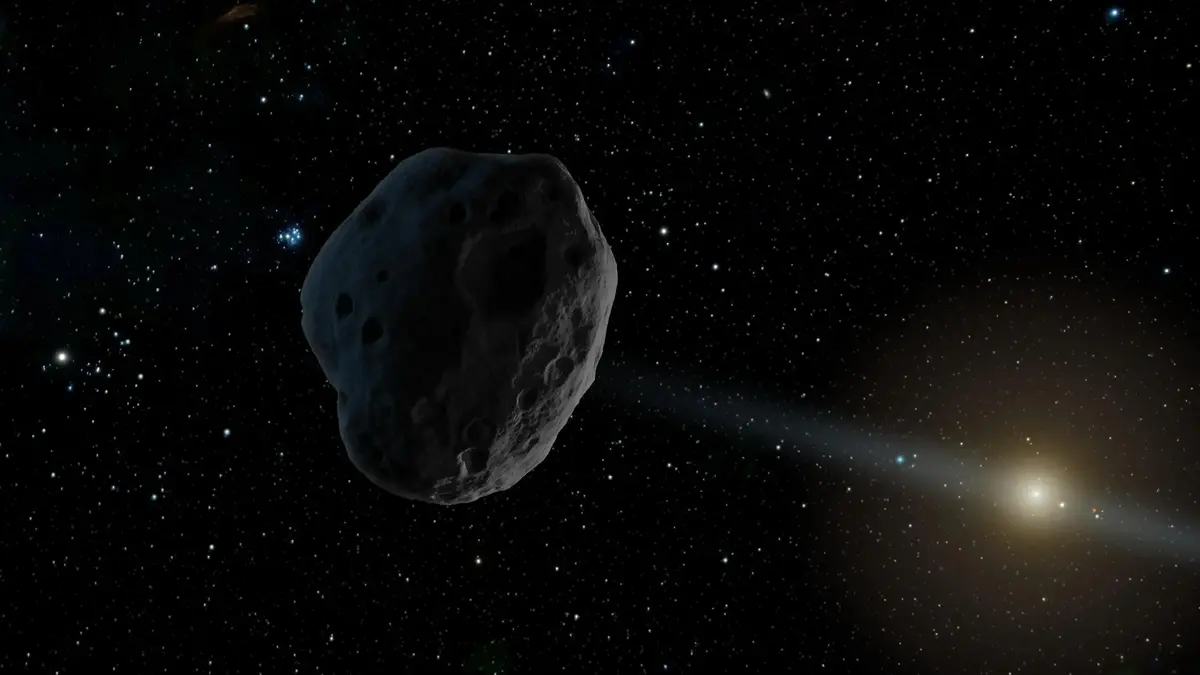
NASA study finds near-Earth “asteroid” is actually a comet, offering new clues for planetary defense
For nearly three decades, (875163) 1998 SH2 appeared to be an ordinary near-Earth asteroid, showing no visible tail, no surrounding coma and no obvious signs of cometary activity. That changed with a study published in Nature Astronomy on July 10,…
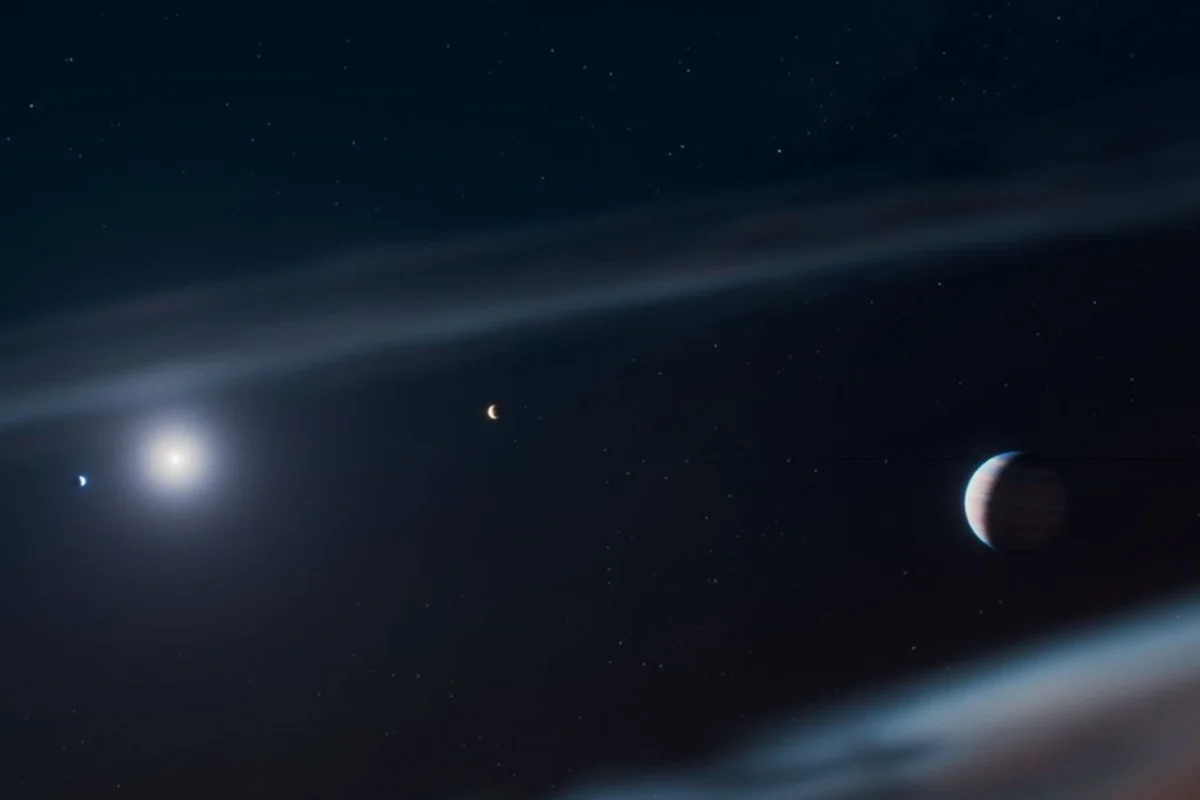
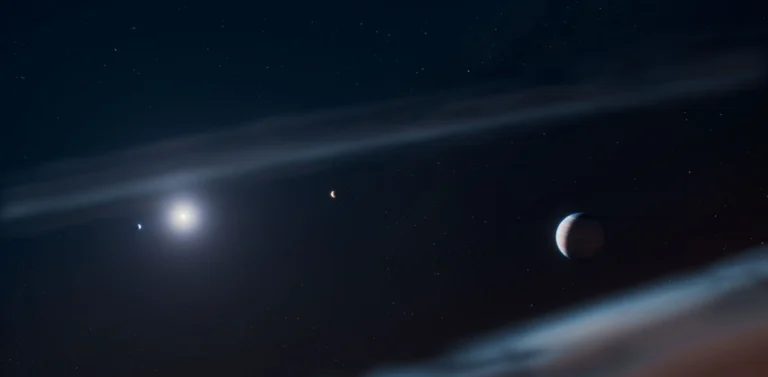
Faintest exoplanet imaged from Earth hid in Beta Pictoris data for 11 years
Two independent teams announced the discovery of Beta Pictoris d on July 15, 2026, a gas giant orbiting the 23-million-year-old Beta Pictoris system about 63 light-years from Earth. The planet is the faintest exoplanet ever directly imaged from Earth after…

Hawaiian mantle plume has been getting hotter for 47 million years
For decades, geologists believed mantle plumes gradually cooled as they aged, producing less magma over time. New research suggests the opposite happened beneath Hawaiʻi. Scientists found the Hawaiian mantle plume became about 250°C (480°F) hotter over the past 47 million…

El Niño strengthens as positive Indian Ocean Dipole raises warm, dry risk across Australia
El Niño has become established across the tropical Pacific, while seasonal forecast models favor the development of a positive Indian Ocean Dipole (IOD) during the Southern Hemisphere winter and spring, according to the Australian Bureau of Meteorology (BoM). If both…
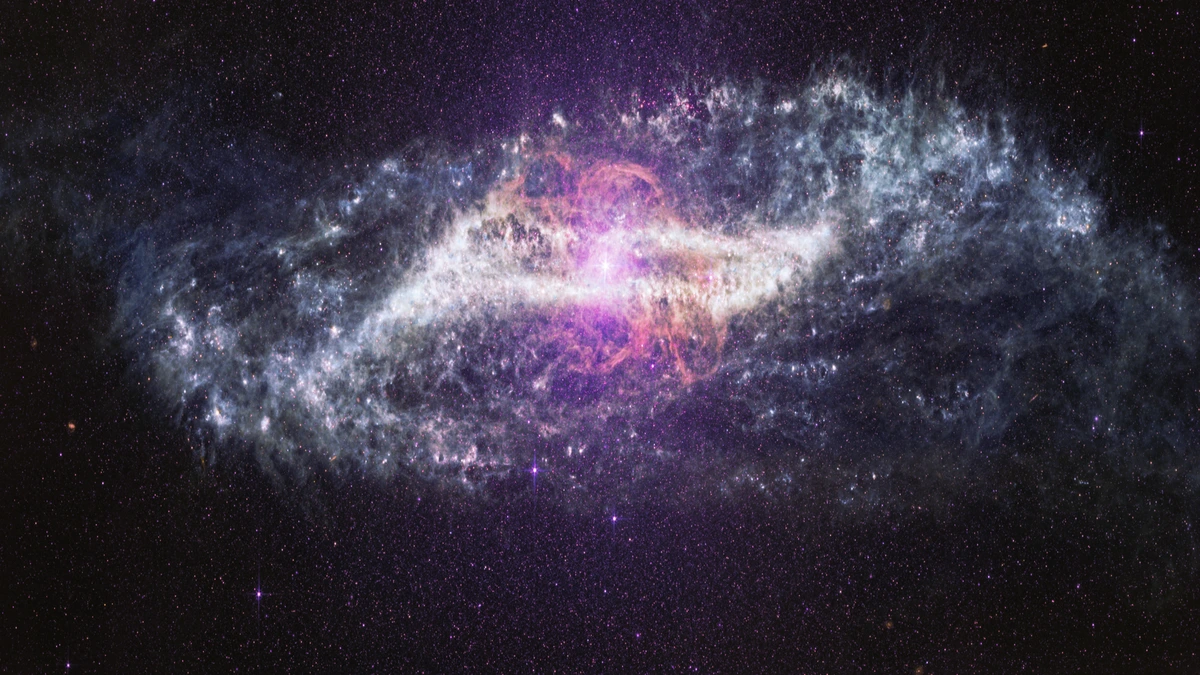
Webb reveals hidden history of Centaurus A with new images marking fourth year of science
New observations from NASA’s James Webb Space Telescope, released on July 6, 2026, to mark the observatory’s fourth year of science operations, have revealed the nearby active galaxy Centaurus A in remarkable infrared detail, exposing dust structures, hidden stellar populations,…
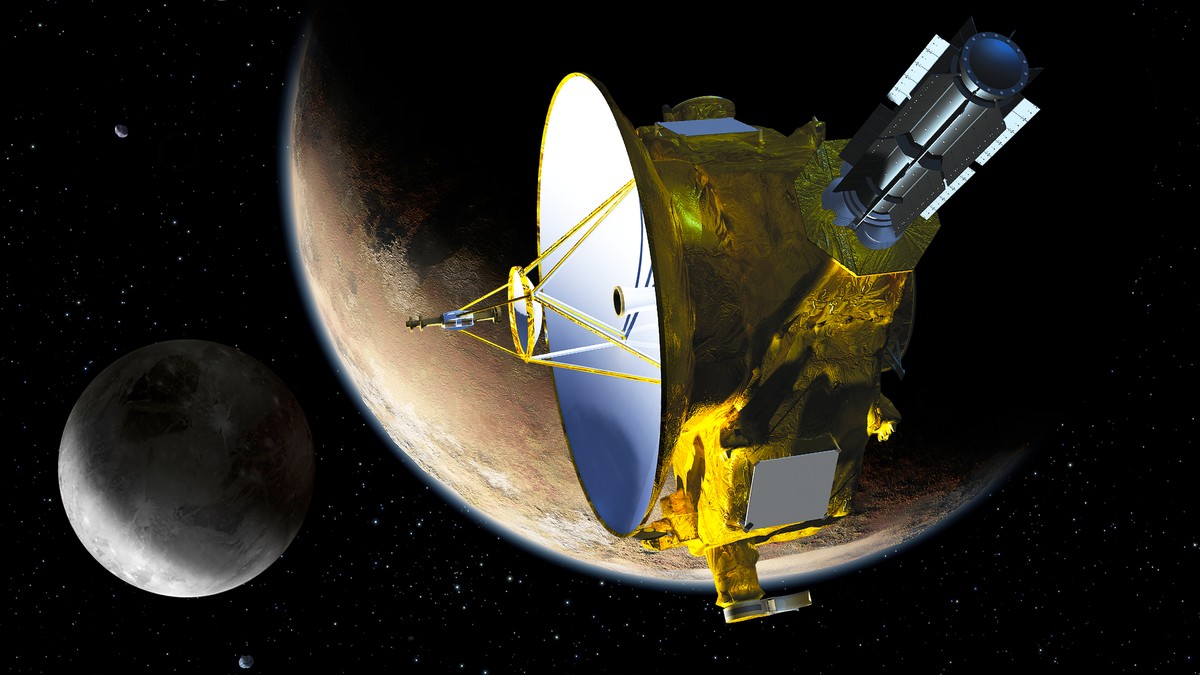
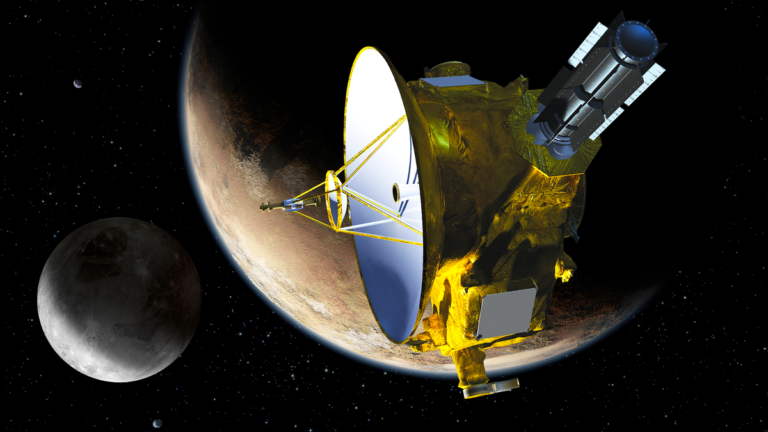
New Horizons awakens after longest hibernation, resumes science mission 9.5 billion km from Earth
NASA announced on July 7, 2026, that its New Horizons spacecraft has resumed active operations after completing its longest hibernation period to date. The spacecraft emerged from a 321-day hibernation in good health, allowing mission controllers to begin retrieving spacecraft…
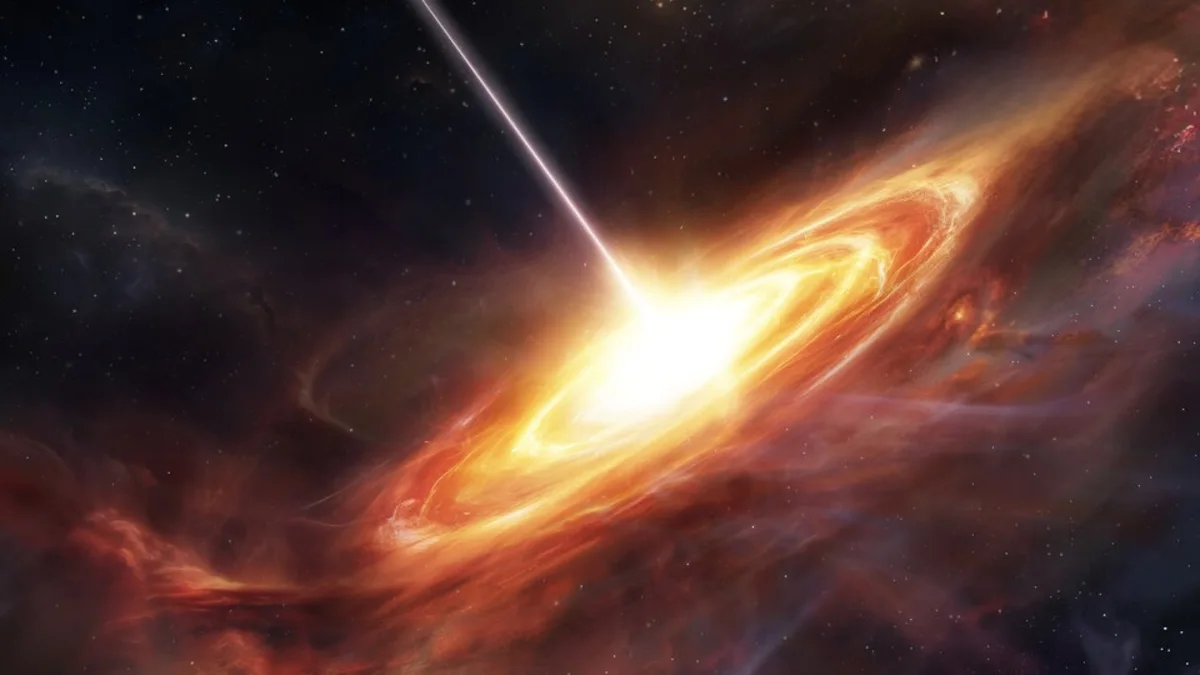
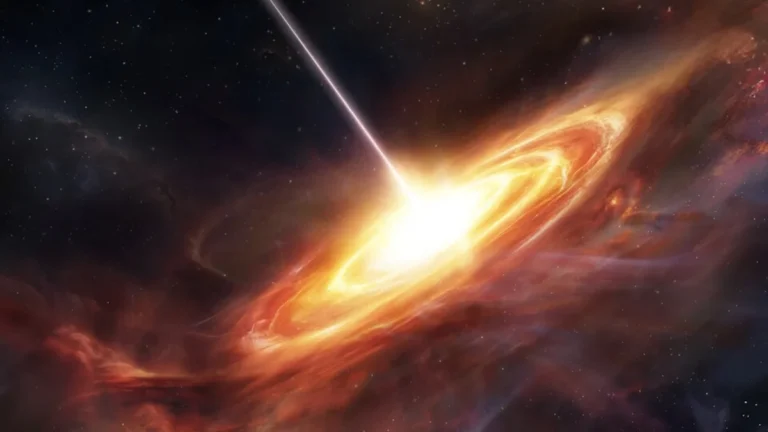
Euclid uncovers 31 ancient quasars, including the most distant ever observed
A study published in Astronomy & Astrophysics on July 6, 2026, reports that the European Space Agency’s (ESA) Euclid space telescope has discovered 31 quasars dating to the Universe’s first billion years. The discoveries include the two most distant quasars…

Interstellar comet 3I/ATLAS preserves a chemical record from the Milky Way’s earliest planetary systems
The interstellar comet 3I/ATLAS formed in an exceptionally cold, relatively metal-poor stellar nursery as long as 10 to 12 billion years ago, according to observations by NASA’s James Webb Space Telescope and a study published in Nature on June 22,…
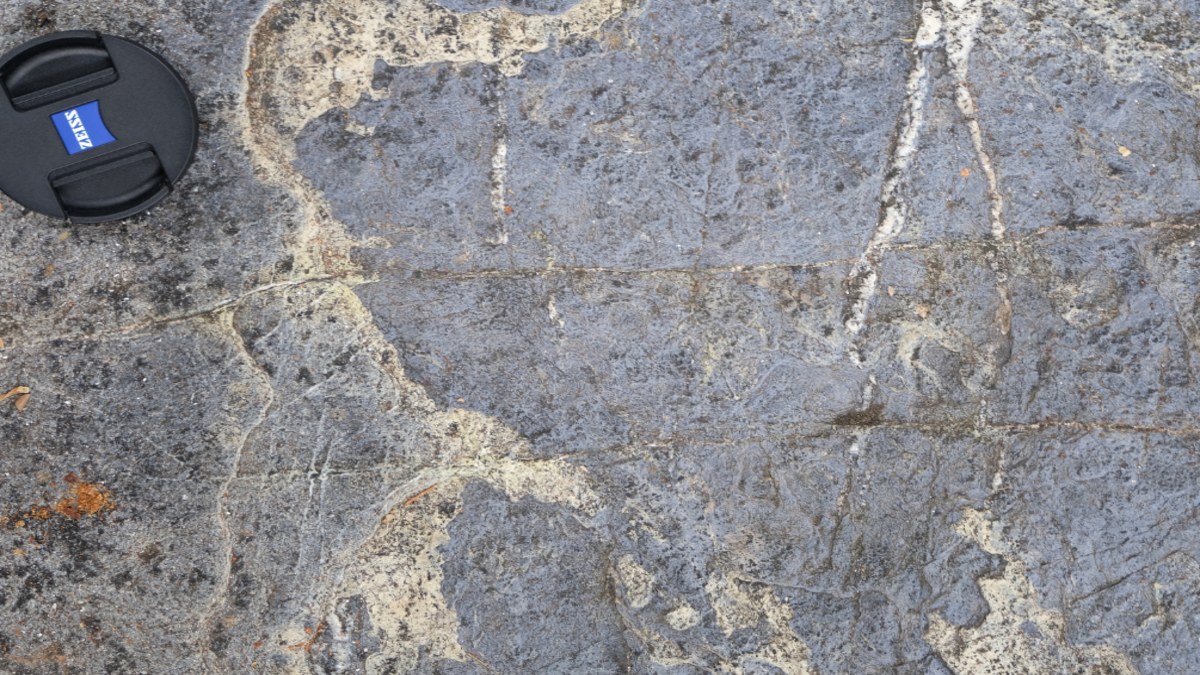
Water released from hydrous minerals identified as a viable trigger for slow earthquakes
Researchers have identified a geological mechanism that may explain why slow earthquakes occur in recurring cycles, concluding that episodic dehydration of hydrous minerals can generate intermittent pulses of fluid capable of triggering slow-slip events in subduction zones. The findings, published…
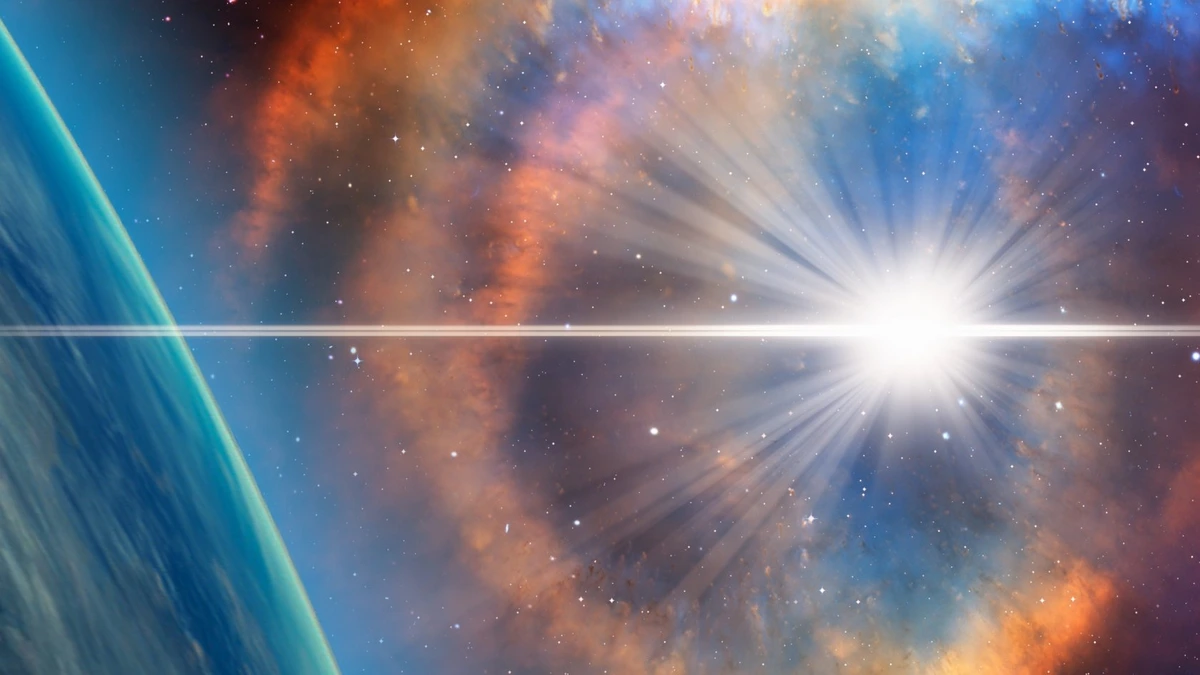
First indication of diffuse supernova neutrino background emerges from Super-Kamiokande
Researchers with the Super-Kamiokande Collaboration have reported the first observational indication of the Diffuse Supernova Neutrino Background (DSNB), a long-predicted flux of neutrinos produced by core-collapse supernovae throughout cosmic history. Based on approximately 5 000 days of observations, the result,…
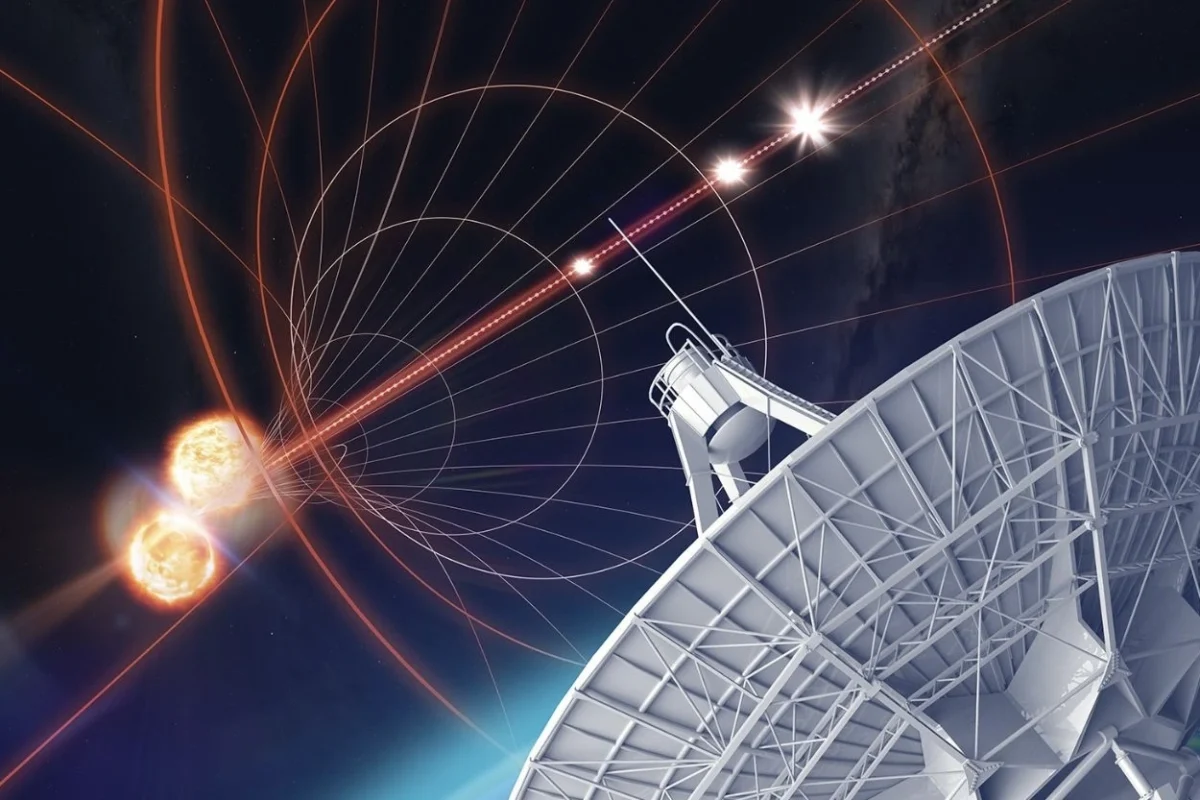
New gravitational-wave measurement brings astronomers closer to resolving the Hubble tension
Researchers have produced one of the strongest independent measurements yet of the Universe’s expansion rate by revisiting the landmark neutron star merger GW170817 with improved radio observations and gravitational-wave data. The study finds a value for the Hubble constant that…
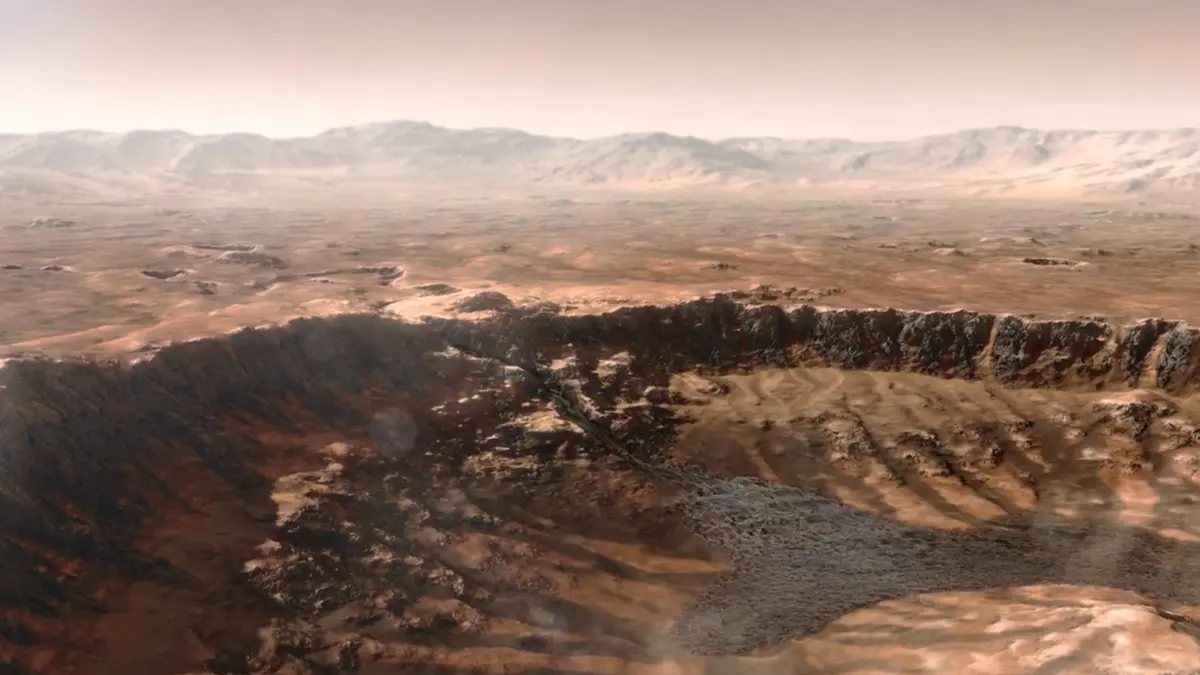
Hidden ancient magma systems reshaped Mars’ evolution
Mars may have been far more geologically sophisticated than scientists once believed. A study published in Nature Astronomy on June 26, 2026 concludes that the Red Planet once sustained enormous interconnected magma plumbing systems capable of recycling and evolving molten…

Loudest gravitational-wave signal yet opens first direct window onto a black hole’s event horizon
Scientists have used the loudest gravitational-wave signal ever recorded to extract the first observational evidence of signatures from a newly formed black hole’s event horizon, opening a new way to probe one of the most extreme environments in the universe…
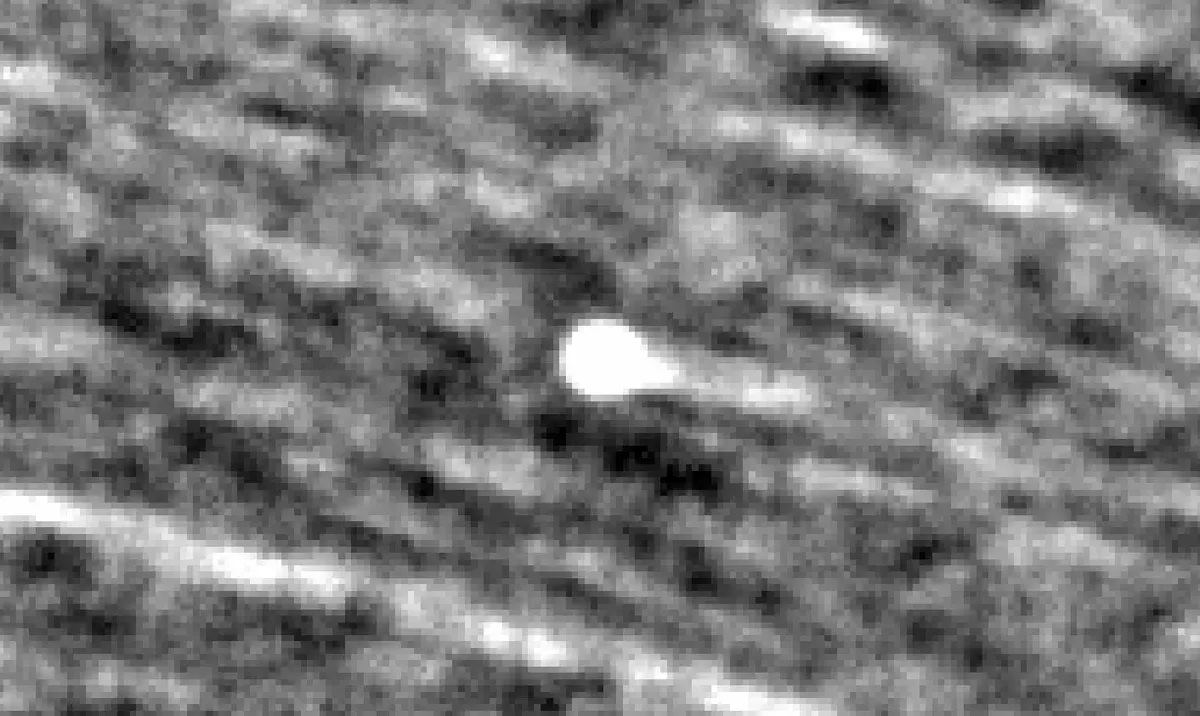
Interstellar comet 3I/ATLAS may be a fragment of a 12-billion-year-old planetary system
The third confirmed interstellar object detected in the Solar System possesses an isotopic composition unlike any known Solar System comet, according to a study published in Nature on June 22, 2026. Observations with the James Webb Space Telescope revealed extreme…

Rare plutonium isotope preserved in Pacific seabed points to an ancient cosmic explosion
Tiny traces of radioactive plutonium locked inside a slow-growing crust on the floor of the Pacific Ocean have helped scientists solve a cosmic mystery dating back more than 100 million years. In a study published on June 15, 2026, in…
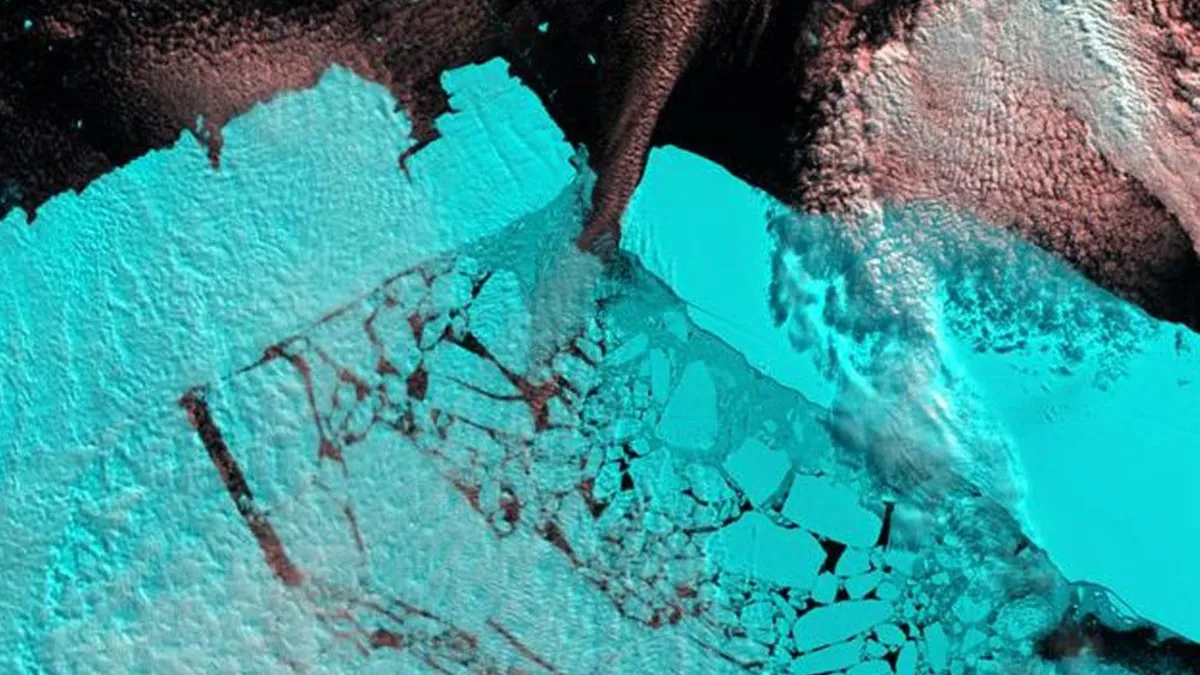
AI uncovers nearly 1 000 hidden earthquakes beneath East Antarctica
Scientists have discovered nearly 1 000 previously undetected earthquakes beneath East Antarctica after applying machine-learning techniques to seismic records collected decades ago, revealing that one of Earth’s most remote regions is far more seismically active than once believed. The findings…

2025 Kamchatka earthquake rupture matched the 1952 great earthquake, study finds
A new study of the July 2025 Mw 8.8 Kamchatka earthquake found that the rupture extended about 500 km (311 miles) southwest from its epicenter, closely matching the rupture area of the great 1952 Kamchatka earthquake. Researchers say the similarity…

New study links Atlantic “cold blob” to declining ocean heat transport
The Atlantic “cold blob” — a persistent cooling anomaly in the subpolar North Atlantic south of Greenland and Iceland — is primarily caused by reduced ocean heat transport into the region rather than increased heat loss to the atmosphere, according…
