• Thin atmosphere detected around small plutino beyond Neptune

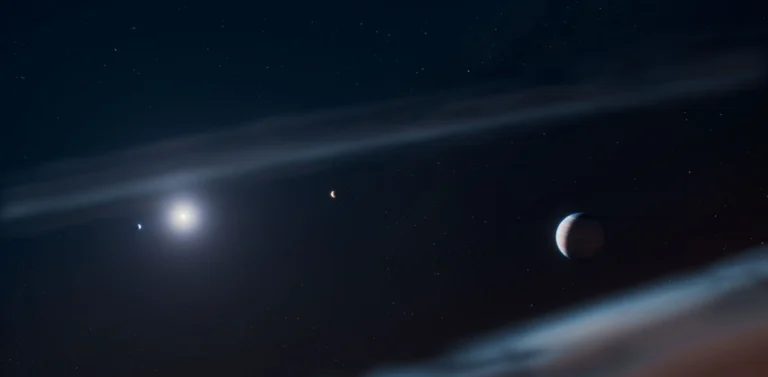
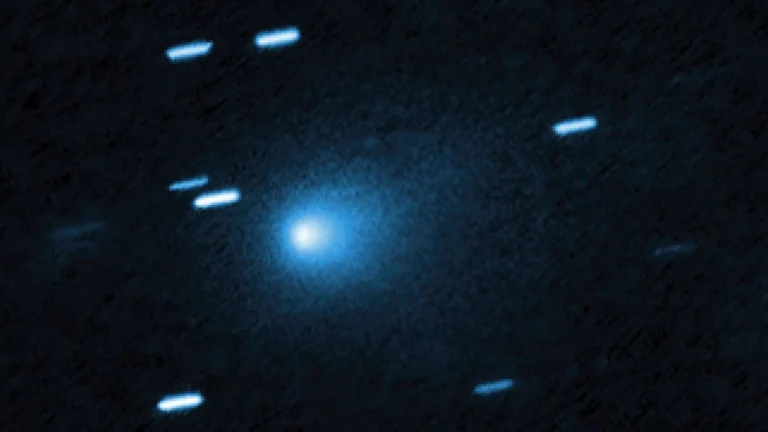
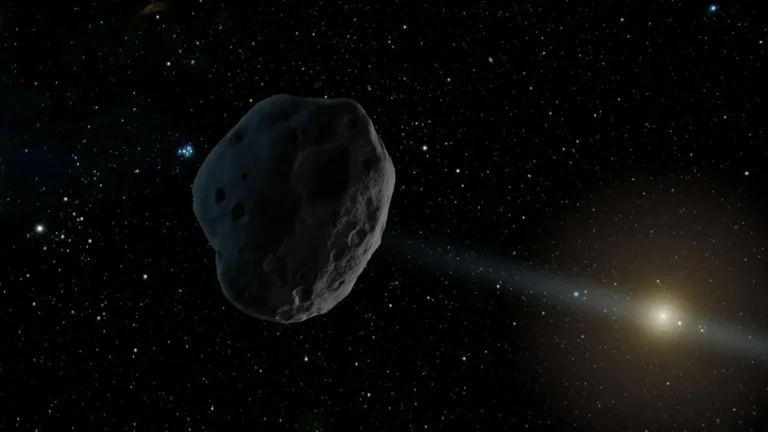
    Astronomers have reported evidence of a thin atmosphere around the small plutino (612533) 2002 XV93 after observing the object pass in front of a distant star on January 10, 2024. The finding, published in Nature Astronomy this month, identifies evidence of a gaseous envelope around a trans-Neptunian object far smaller than Pluto.

  • Solar radio bursts reveal possible magnetic switchbacks near the Sun, Parker Solar Probe data suggest

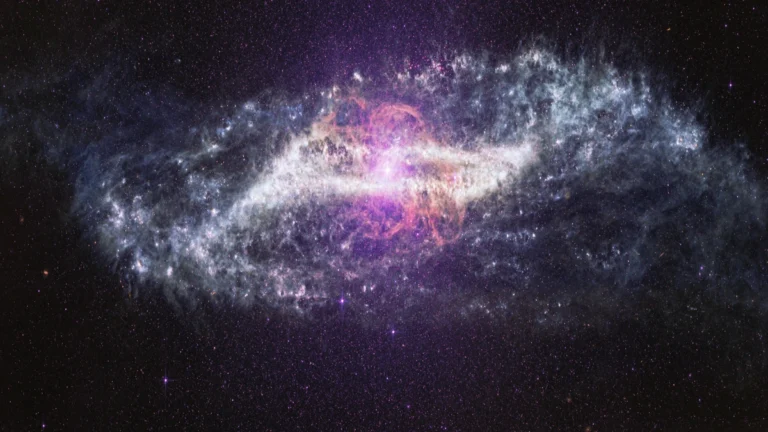
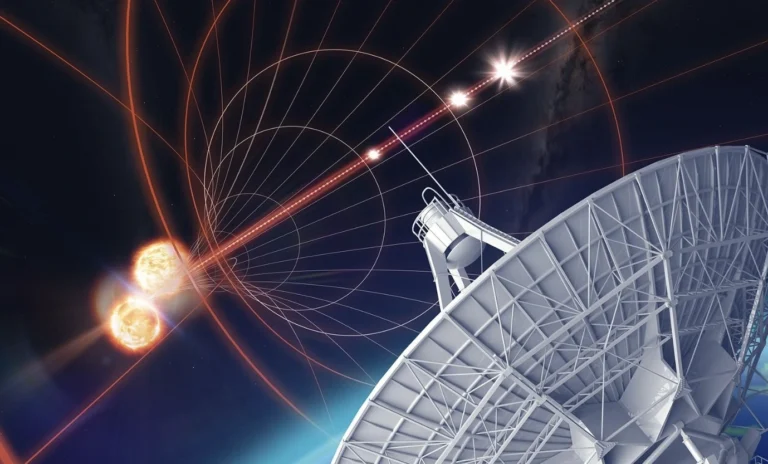
    Type III solar radio bursts observed by NASA’s Parker Solar Probe may reveal large-scale magnetic-field disturbances and switchback-like structures near the Sun, according to a study published in The Astrophysical Journal in 2026. The study may help scientists remotely map hidden magnetic structures near the Sun, improving how the solar wind is studied and eventually strengthening space weather physics.

  • New lunar mineral identified in first lunar meteorite found in China

    China Geological Survey (CGS) reported that Chinese scientists identified a new lunar mineral, Magnesiochangesite-(Ce), in Pakepake 005, the first lunar meteorite found in China, and formally approved through meteorite nomenclature. The rare-earth-bearing phosphate was approved by the International Mineralogical Association’s Commission on New Minerals, Nomenclature and Classification. It represents the 11th lunar mineral discovered worldwide.

  • ESA and JAXA sign planetary defence agreement for Ramses mission to Apophis

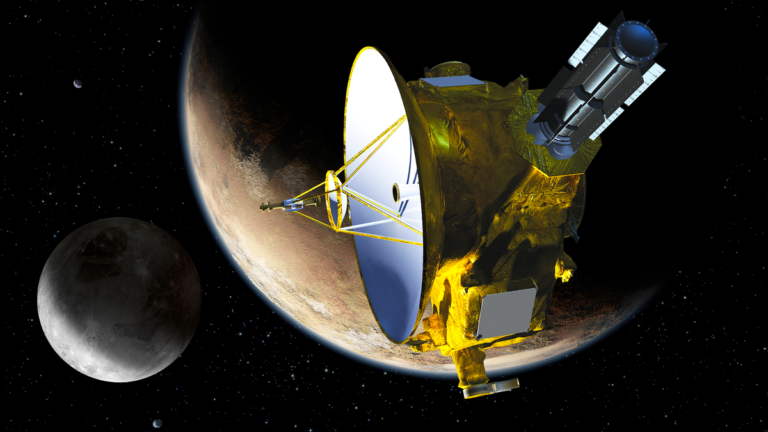
    The European Space Agency and the Japan Aerospace Exploration Agency signed a Memorandum of Cooperation on planetary defence and a dedicated Ramses mission agreement in Berlin, Germany, on May 7, 2026. Ramses is planned to rendezvous with asteroid (99942) Apophis before its safe close flyby of Earth on April 13, 2029.

  • Biggest solar storms can occur years after solar maximum

    Solar Cycle 25 remains in an active phase after reaching its peak sunspot number in late 2024, but major solar storms remain possible as the cycle declines, NOAA Space Weather Prediction Center (SWPC) research scientist Mark Miesch said in a video update posted on May 1, 2026. Solar activity is forecast to gradually decrease in the coming years, but the declining phase can still produce strong flares, CMEs, and geomagnetic storms.

  • JAXA’s Hayabusa2# to attempt ultra-close, high-speed flyby of asteroid Torifune

    JAXA’s Hayabusa2# spacecraft is scheduled to perform an ultra-close flyby of asteroid Torifune at high speed on July 5, 2026, with a planned closest approach of 1–10 km (0.6–6.2 miles) from the asteroid’s center at approximately 5.25 km/s. The encounter involves a small body about 450 m (1 480 feet) in diameter and will be conducted under limited pointing capability during a short observation window.

  • Ion tail evolution captured in comet C/2025 R3 as it passes perihelion

    SOHO coronagraph imagery captured a distinct change in the ion tail of comet C/2025 R3 (PANSTARRS) during its April 2026 perihelion passage, with the tail brightening and aligning away from the Sun. The observation occurred as the comet approached within approximately 72 million km (45 million miles) of Earth.

  • New meteoroid stream confirmed in southern Virginid region traces rocky body breaking down near the Sun

    A multinational analysis of more than 235 000 meteors has revealed a previously unconfirmed meteoroid stream in the southern Virginid region. The newly validated stream appears to originate from a rocky object on a Sun-skimming orbit, adding fresh evidence that thermally driven breakdown can supply dust and meteoroids to near-Earth space.

  • Extensive AMS analysis of Q1 2026 fireball surge raises questions about the near-Earth meteoroid environment

    A measurable increase in large fireball events was recorded during the first quarter of 2026, and the strongest evidence for that shift comes from a new analysis by the American Meteor Society (AMS), which reviewed its fireball database back to 2011 and focused on Q1 patterns during the mature reporting era of 2021–2026. Their main…