• Noctilucent cloud season begins: How glowing night clouds form near the edge of space

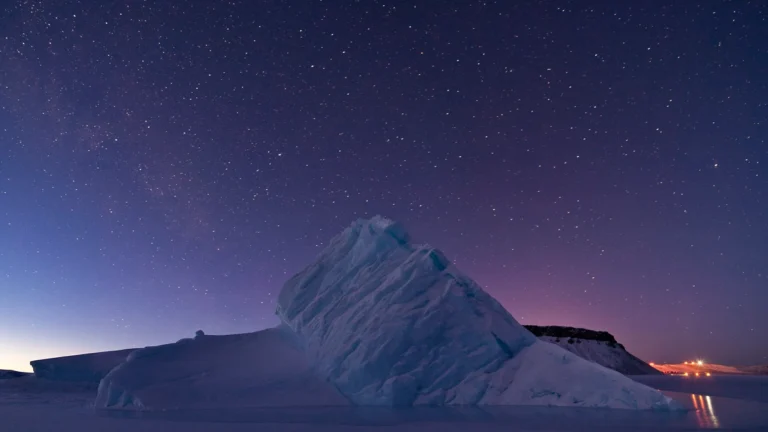
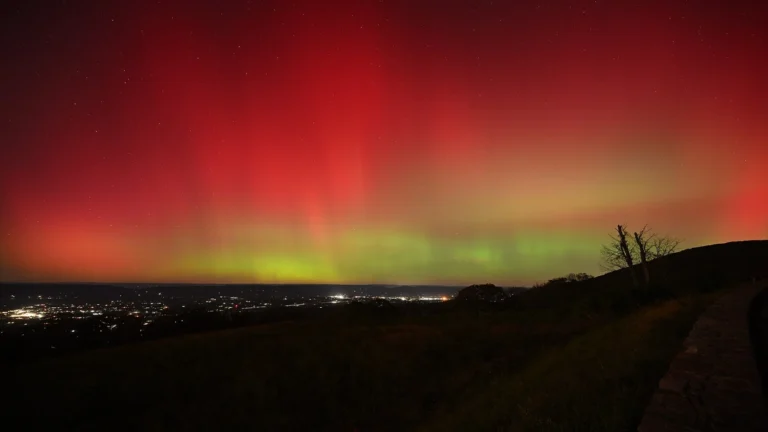
    Noctilucent cloud season is underway across the Northern Hemisphere, bringing one of Earth’s most unusual atmospheric phenomena back to twilight skies. Composed of microscopic ice crystals suspended near the edge of space, these clouds shine with a distinctive silver-blue glow when conditions in the upper atmosphere become cold enough for them to form.

  • Japanese researchers discover Chicxulub impact evidence tied to dinosaur extinction

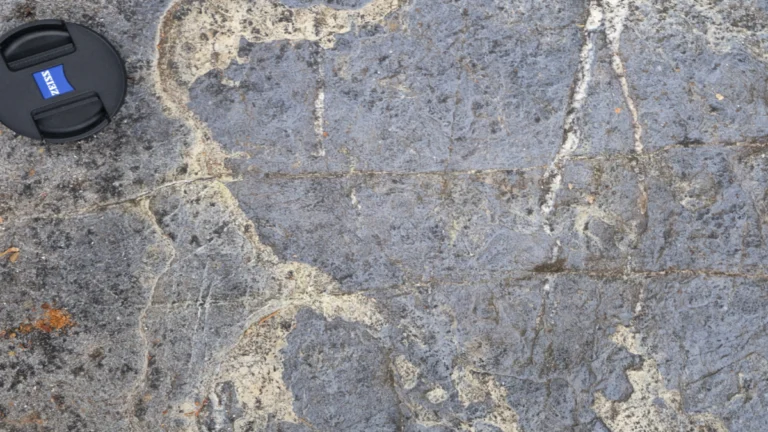
    Japanese researchers have identified geological traces in eastern Hokkaido linked to the Chicxulub asteroid impact that struck Earth about 66 million years ago, adding new East Asian evidence to the global record of the event widely associated with the extinction of non-avian dinosaurs.

  • New analysis sheds light on unexpected reversal in Earth’s molten outer core beneath the Pacific

    A new analysis of geomagnetic observations from 1997 to 2025 shows that the unexpected reversal in Earth’s outer-core flow beneath the equatorial Pacific around 2010 has weakened since 2020, refining scientists’ understanding of one of the most unusual deep-Earth changes detected in recent decades.

  • Extreme subsidence in Mexico City exceeds 2 cm (0.8 inches) per month

    Preliminary measurements from the NASA-ISRO Synthetic Aperture Radar (NISAR) satellite mapped parts of Mexico City and surrounding areas subsiding by more than 2 cm (0.8 inches) per month between October 25, 2025, and January 17, 2026, NASA’s Jet Propulsion Laboratory (JPL) reported. JPL attributed the deformation in large part to groundwater pumping and long-term compaction of the ancient lakebed beneath the metropolitan area.

  • Study suggests Earth’s first continents formed through subduction 3.5 billion years ago

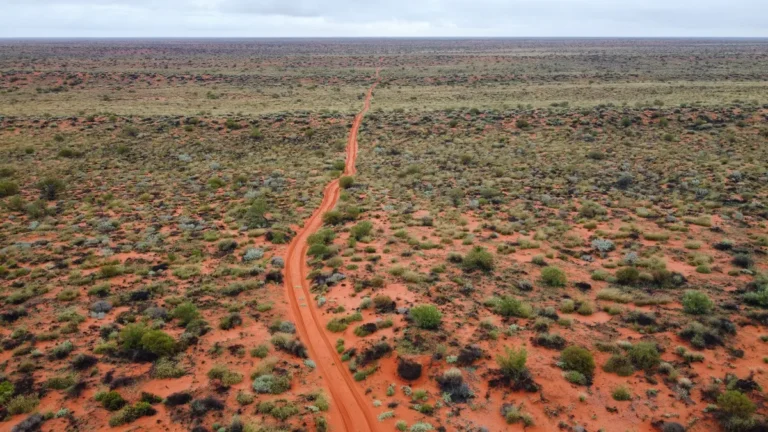
    A new study suggests that Earth’s earliest continental crust may have formed through subduction-related processes more than 3.5 billion years ago. Researchers studying ancient rocks from Western Australia found evidence that magmas became progressively wetter and more oxidized during the Paleoarchean, supporting the idea that deep water recycling was already occurring inside the young Earth.

  • NOAA raises El Niño odds to 82%, but strength remains uncertain

    El Niño has an 82% chance of developing during May–July 2026 and a 96% chance of continuing through Northern Hemisphere winter 2026–27, NOAA’s Climate Prediction Center (CPC) reported on May 14. Current conditions remain ENSO-neutral, and CPC said peak strength remains substantially uncertain, with no strength category above 37%.

  • Long dormant Methana volcano was accumulating magma for over 100 000 years

    A recent study found that the Methana volcano in Greece remained inactive for over 100 000 years while magma continued accumulating beneath the surface, a process the authors describe as “silent” magma reservoir growth. This challenges the traditional idea of volcanic dormancy, in which volcanoes that haven’t erupted in the last 10 000 years are classified as dormant.