
Strong M6.4 earthquake hits South Sandwich Islands region
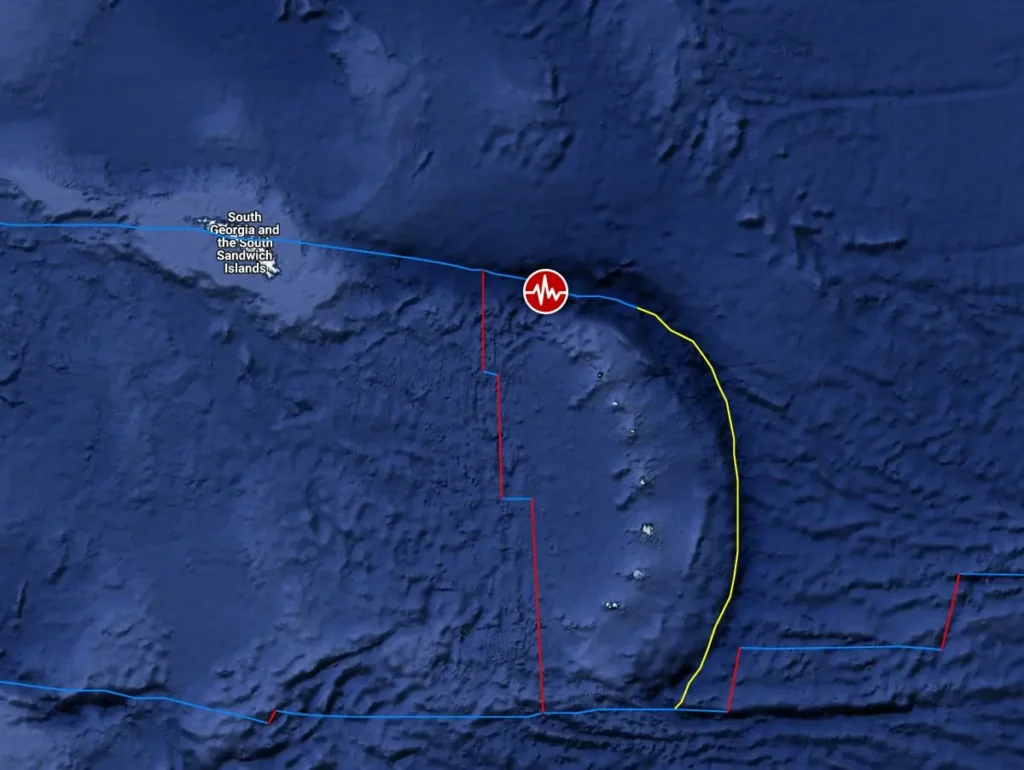
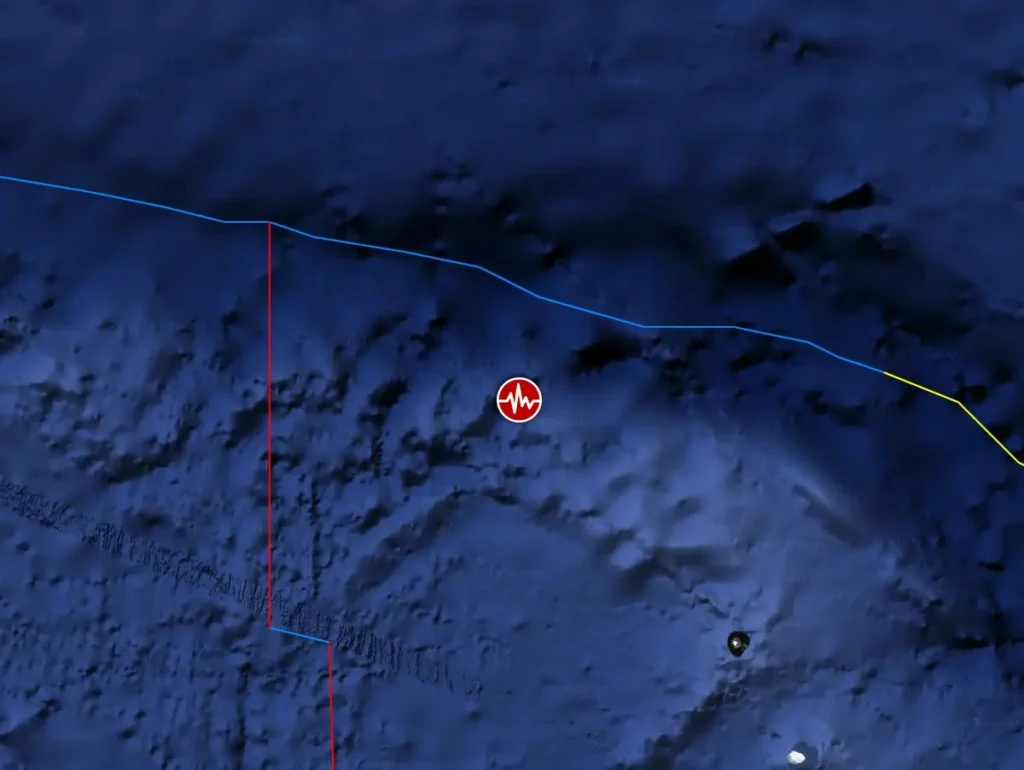
A strong earthquake registered by the USGS as M6.4 struck the South Sandwich Islands region at 10:26 UTC on July 11, 2026. The agency is reporting a depth of 46 km (28.6 miles). EMSC is reporting the same magnitude and depth.
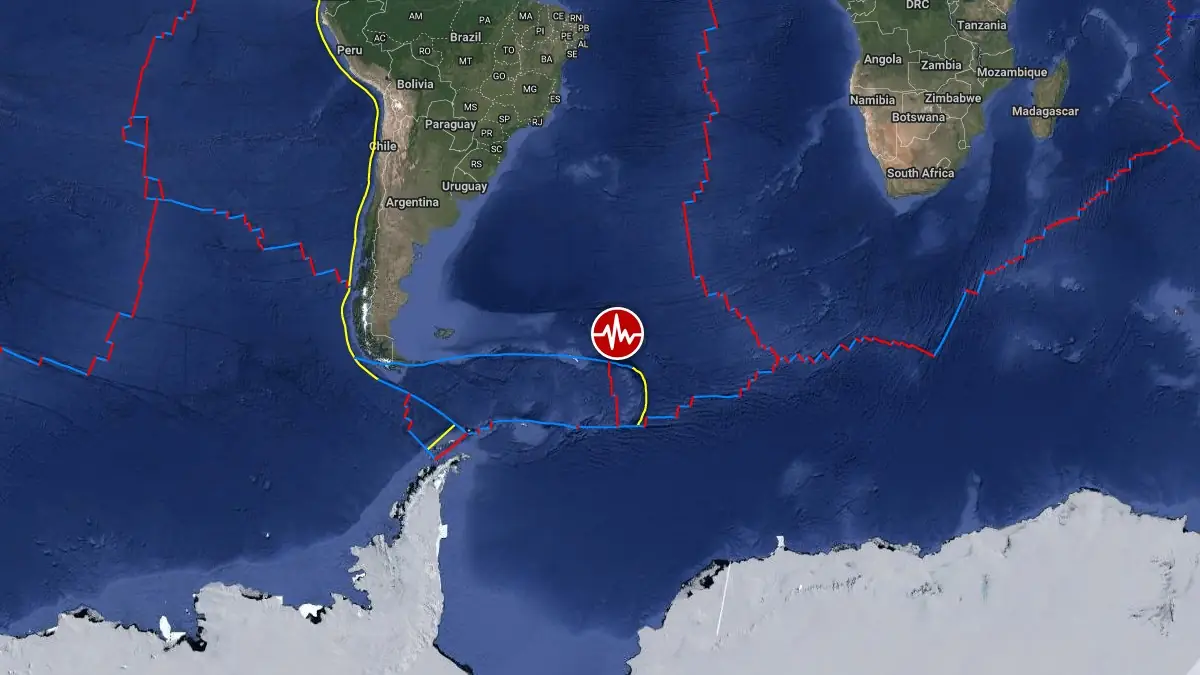
Epicenter of M6.4 earthquake in South Sandwich Islands region on July 11, 2026. Credit: TW/SAM, Google
The epicenter was located 2 390 km (1 485 miles) SW of Edinburgh of the Seven Seas (population 271), Tristan da Cunha, Saint Helena, and 2 448 km (1 521 miles) ENE of Ushuaia (population 56 825), Argentina.
There is no tsunami threat from this earthquake.
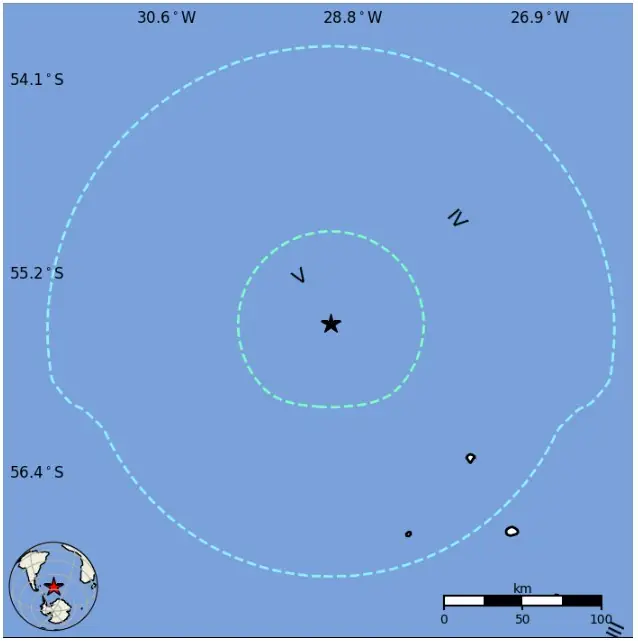
The USGS issued a Green alert for shaking-related fatalities and economic losses. There is a low likelihood of casualties and damage.
Overall, the population in this region resides in structures that are a mix of vulnerable and earthquake-resistant construction. The predominant vulnerable building types are adobe block with concrete bond beam and unreinforced brick with concrete floor construction.
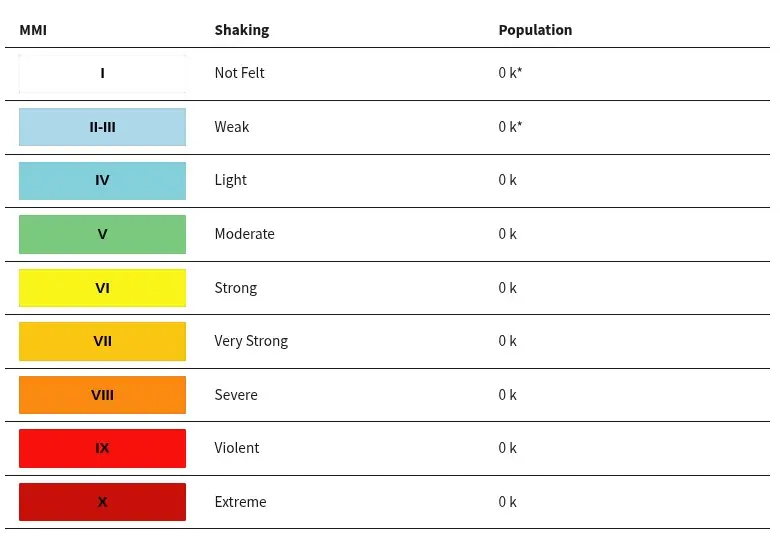
Estimated population exposure to earthquake shaking
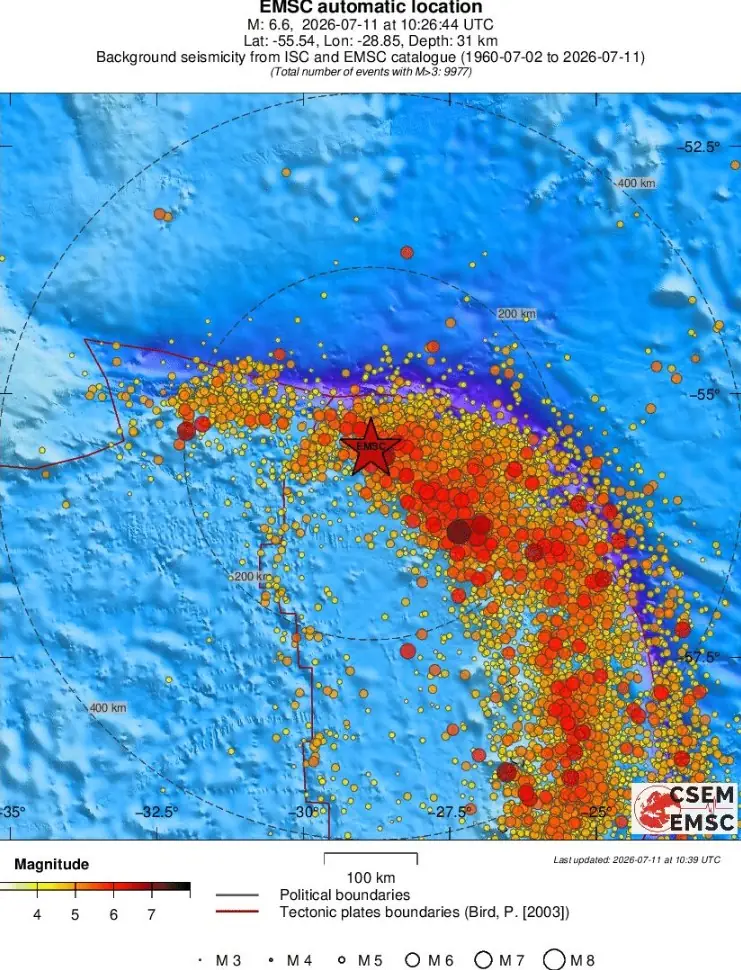
Regional seismicity
References:
1 M6.4 earthquake South Sandwich Islands region – USGS – July 11, 2026
2 M6.4 earthquake South Sandwich Islands region – EMSC – July 11, 2026

Teo Blašković founded The Watchers in 2011 and edited it until 2026, covering seismic and volcanic activity, extreme weather, space weather and near-Earth objects. Articles on this page are his archive.
Published in the last 24 hours
- Amazon fire hotspots rise 82.6% in October 2026 as El Niño intensifies Epicenter
- In 2005, a driver near Russia's Chulyshman River picked up a stone to wedge under his car wheel and kept it for 20 years; the Meteoritical Bulletin has now approved it as the Altai Republic's first meteorite. Epicenter
- The Leonid meteor shower peaks on the night of November 17, exactly 60 years after the 1966 storm, when some observers reported meteors falling at up to 40 a second, though this year’s show should be closer to 15 an hour
- When Arctic air reached South Florida in January 2020, Miami fell to 40°F and the National Weather Service warned residents to watch for cold-stunned iguanas dropping out of the trees Epicenter
