
Strong M6.0 earthquake hits off the coast of Iwate Prefecture, Japan
A strong earthquake registered by the Japan Meteorological Agency (JMA) as M6.0 hit off the coast of Iwate Prefecture, Honshu at 12:08 UTC (21:08 JST) on July 1, 2026. The agency is reporting a depth of 40 km (25 miles). USGS registered this quake as M5.9 at a depth of 37 km (23 miles).
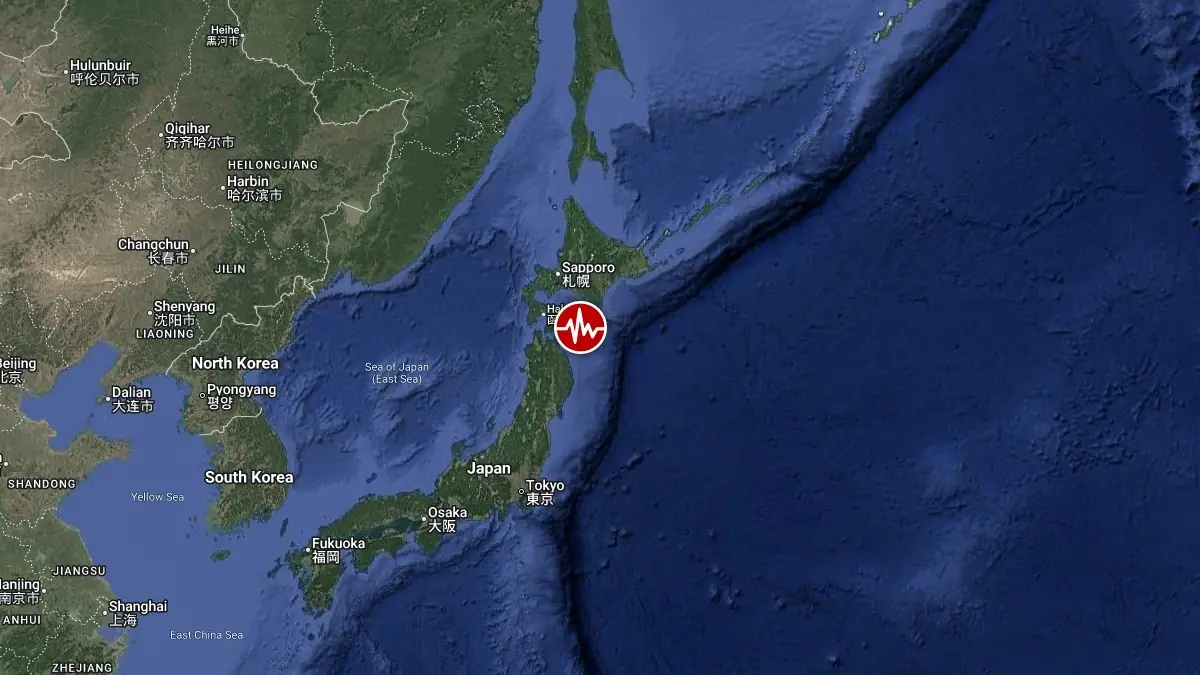
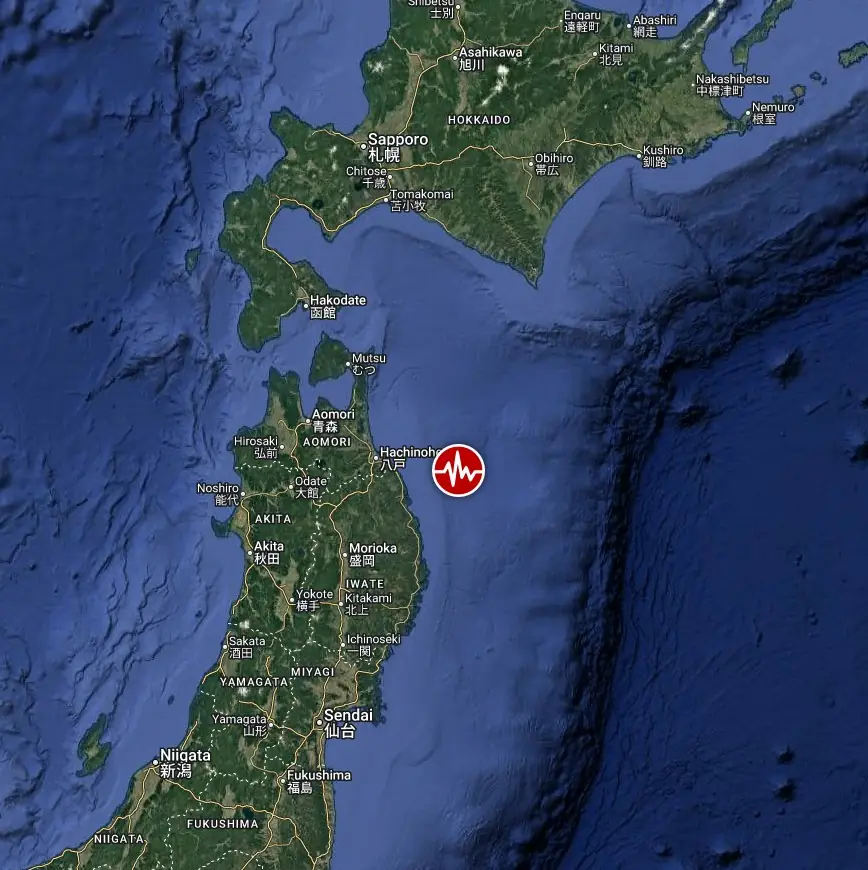
Epicenter of M6.0 earthquake off the east coast of Honshu, Japan on July 1, 2026. Credit: TW/SAM, Google
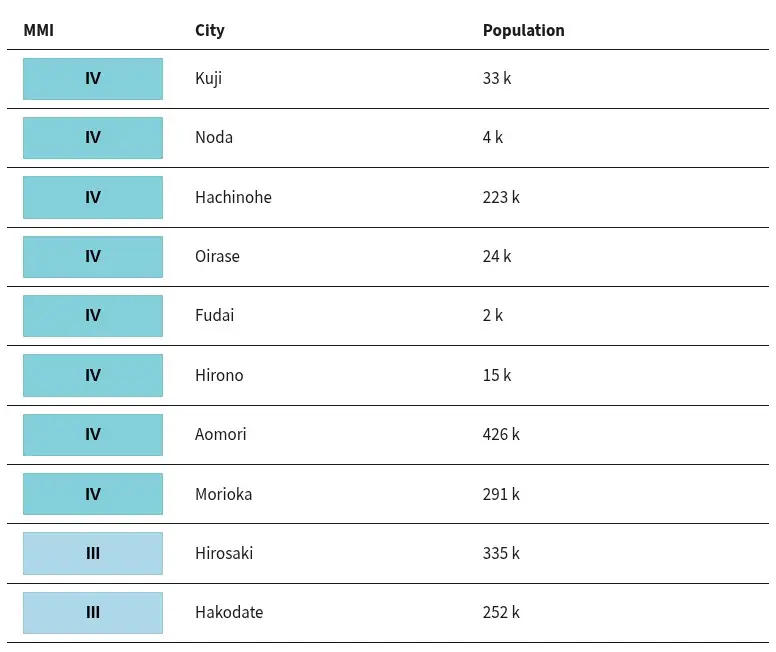
The epicenter was located about 55 km (34 miles) E of Noda (population 4 201), 58 km (36 miles) E of Kuji (population 34 418), 75 km (45 miles) NE of Miyako (population 51 150), and 88 km (55 miles) ESE of Hachinohe (population 239 046), Japan.
There is no tsunami threat from this earthquake.
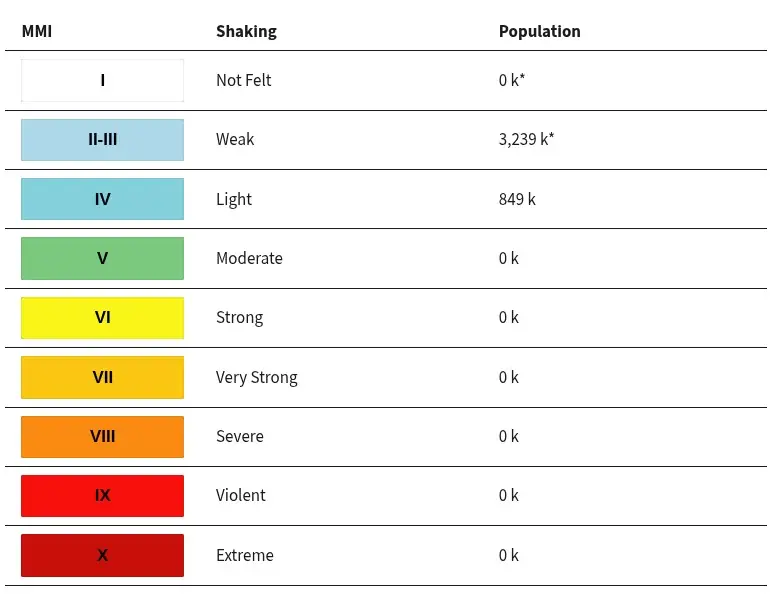
According to the USGS PAGER, 849 000 people are estimated to have felt light shaking, and 3.2 million weak.
The USGS issued a Green alert for shaking-related fatalities and economic losses. There is a low likelihood of casualties and damage.
Overall, the population in this region resides in structures that are resistant to earthquake shaking, though vulnerable structures exist. The predominant vulnerable building types are heavy wood frame and reinforced/confined masonry construction.
Recent earthquakes in this area have caused secondary hazards such as landslides and fires that might have contributed to losses.
Estimated population exposure to earthquake shaking

Selected cities exposed
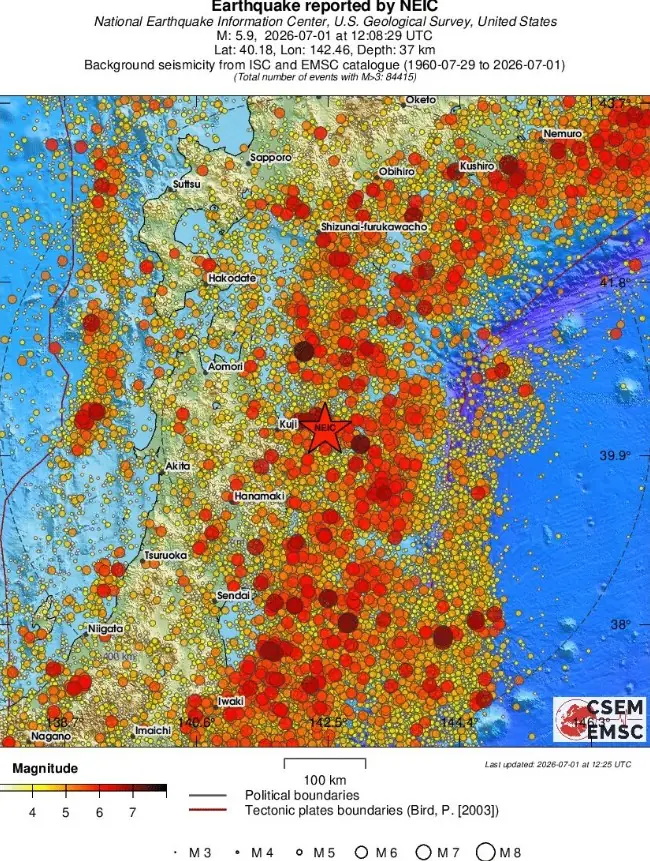
Regional seismicity
References:
1 M5.9 earthquake off the east coast of Honshu, Japan – USGS – July 1, 2026

Teo Blašković founded The Watchers in 2011 and edited it until 2026, covering seismic and volcanic activity, extreme weather, space weather and near-Earth objects. Articles on this page are his archive.
Published in the last 24 hours
- The Leonid meteor shower peaks on the night of November 17, exactly 60 years after the 1966 storm, when some observers reported meteors falling at up to 40 a second, though this year’s show should be closer to 15 an hour
- When Arctic air reached South Florida in January 2020, Miami fell to 40°F and the National Weather Service warned residents to watch for cold-stunned iguanas dropping out of the trees Epicenter
- In May 2024, the strongest solar storm in 20 years put northern lights over the southern US, and across the Plains, GPS-guided tractors built to plant within an inch drifted about 10 feet off their rows Epicenter
- In 1943, a flight instructor in Texas flew a two-seat training plane into the eye of a hurricane because he was curious, then landed and took the base weatherman up for a second pass Epicenter
