
Health risks rise in shelters after deadly M7.2 and M7.5 earthquakes, Venezuela
Health risks are increasing in temporary shelters and makeshift displacement sites after the M7.2 and M7.5 earthquakes that struck northern Venezuela on June 24, 2026. The official death toll reached 3 889 by July 10, while about 18 000 people remained without housing as overcrowding, unsafe water, poor sanitation and disrupted health services increased the risk of respiratory infections, diarrheal disease, and other illnesses.
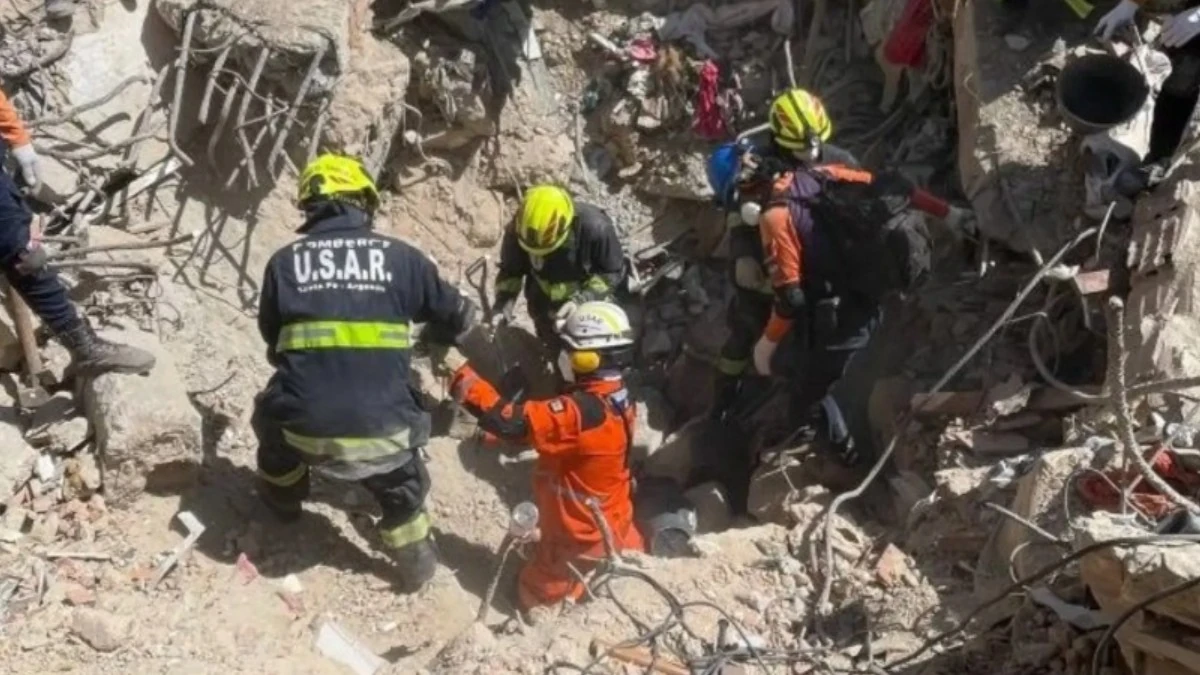
Search and rescue operations following earthquake doublet in Venezuela on June 24, 2026. Credit: Proteccion Civil Venezuela
The Pan American Health Organization (PAHO), the Americas branch of the World Health Organization (WHO), warned that the main post-earthquake health risks in Venezuela now extend beyond trauma injuries to overcrowded shelter conditions, disrupted health services, deficiencies in water and sanitation, and reduced access to vaccination and routine care.
On July 9, Venezuelan authorities had raised the death toll to 3 889, while the number of injured remained at 16 740 and the number of displaced people reached 17 907. The United Nations said it aimed to reach 1.3 million people in the next six months, and Reuters reported that more than USD 300 million had been mobilized in coordinated support.
According to official data, at least 190 buildings have collapsed, 856 were damaged, and about 18 000 people were left without homes. Displaced residents were living in schools, sidewalks, parks, plazas, and other public spaces, with relief services concentrated in the northern state of La Guaira.
The June 24 seismic sequence began with an M7.2 foreshock, followed 39 seconds later by an M7.5 mainshock in northern Venezuela, west of Caracas, according to the United States Geological Survey (USGS). The M7.5 earthquake struck near Yumare at 22:05 UTC, at a depth of 10 km (6 miles), and resulted from shallow strike-slip faulting near the complex boundary between the Caribbean and South American plates.
PAHO said field hospitals and shelters would be incorporated into an early-warning system with Venezuela’s health ministry to track diarrheal diseases, respiratory infections, febrile syndromes, and vaccine-preventable illnesses. PAHO also said vaccination access was part of the response, with attention to vaccine-preventable diseases including tetanus, measles, rubella, diphtheria, pertussis, and polio.
Doctors treating residents in Catia La Mar, La Guaira, reported increasing skin conditions and diarrheal diseases, along with growing requests for medications used to treat chronic illnesses, including diabetes and high blood pressure, AP reported on July 10. Armando Denegri, PAHO’s representative in Venezuela, told reporters that 50% of health professionals in La Guaira were directly affected by the earthquakes.
On July 6, 12 800 people were staying in 80 temporary shelters across Caracas and La Guaira, according to Venezuela’s social vice presidency. By July 9, the country had opened more than 80 shelters for people whose homes were destroyed, while PAHO said poor shelter conditions left displaced residents exposed to respiratory and digestive illnesses.
PAHO Situation Report No. 4 said the earthquakes affected at least seven states, with La Guaira the most severely affected, and that authorities had reported more than 995 aftershocks. Earlier, PAHO said more than 2 500 structures had sustained damage, Maiquetía International Airport was closed to commercial flights, Caracas Metro services were suspended, and telecommunications remained unstable across affected areas.
References:
1 Situation Report No.4: Earthquakes in Venezuela 2026 (M7.2 and M7.5) – PAHO – July 5, 2026
2 Chronic illness and diarrhea surge in quake-hit Venezuelan communities as humanitarian crisis builds – AP – July 10, 2026

I'm a dedicated researcher, journalist, and editor at The Watchers. With over 20 years of experience in the media industry, I specialize in hard science news, focusing on extreme weather, seismic and volcanic activity, space weather, and astronomy, including near-Earth objects and planetary defense strategies. You can reach me at teo /at/ watchers.news.

Commenting rules and guidelines
We value the thoughts and opinions of our readers and welcome healthy discussions on our website. In order to maintain a respectful and positive community, we ask that all commenters follow these rules.