
Strong and shallow M6.1 earthquake hits Southwestern Ryukyu Islands, Japan
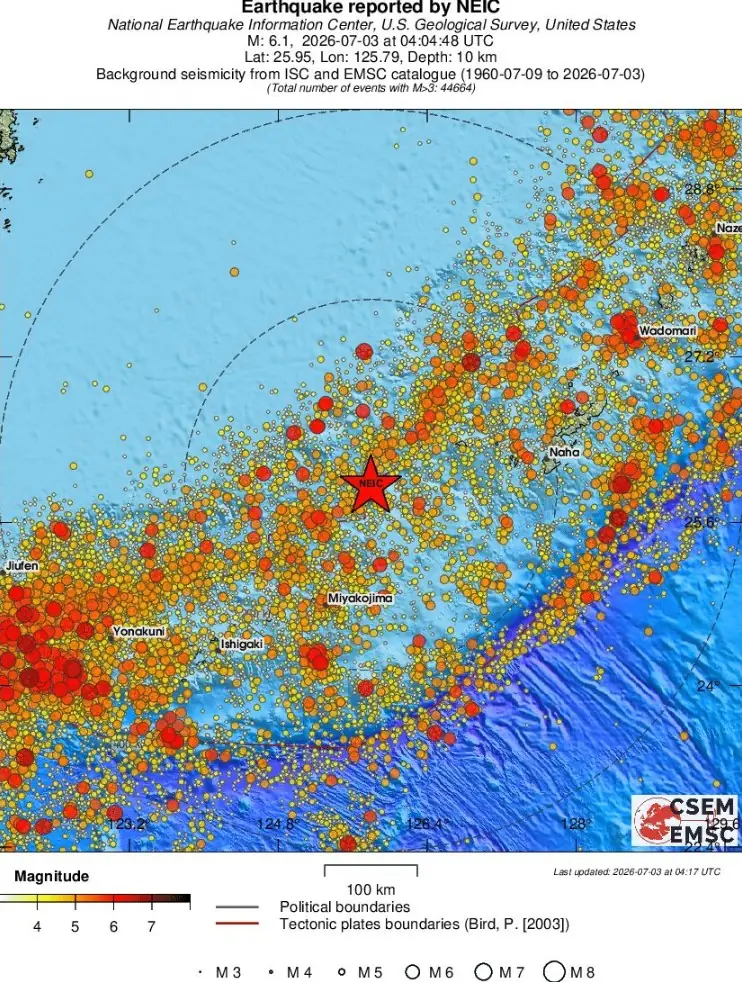
A strong and shallow earthquake registered by the USGS as M6.1 hit the Southwestern Ryukyu Islands, Japan at 04:04 UTC (13:04 LT) on July 3, 2026. The agency is reporting a depth of 10 km (6 miles). EMSC is reporting the same depth and magnitude. There is no tsunami threat from this earthquake.
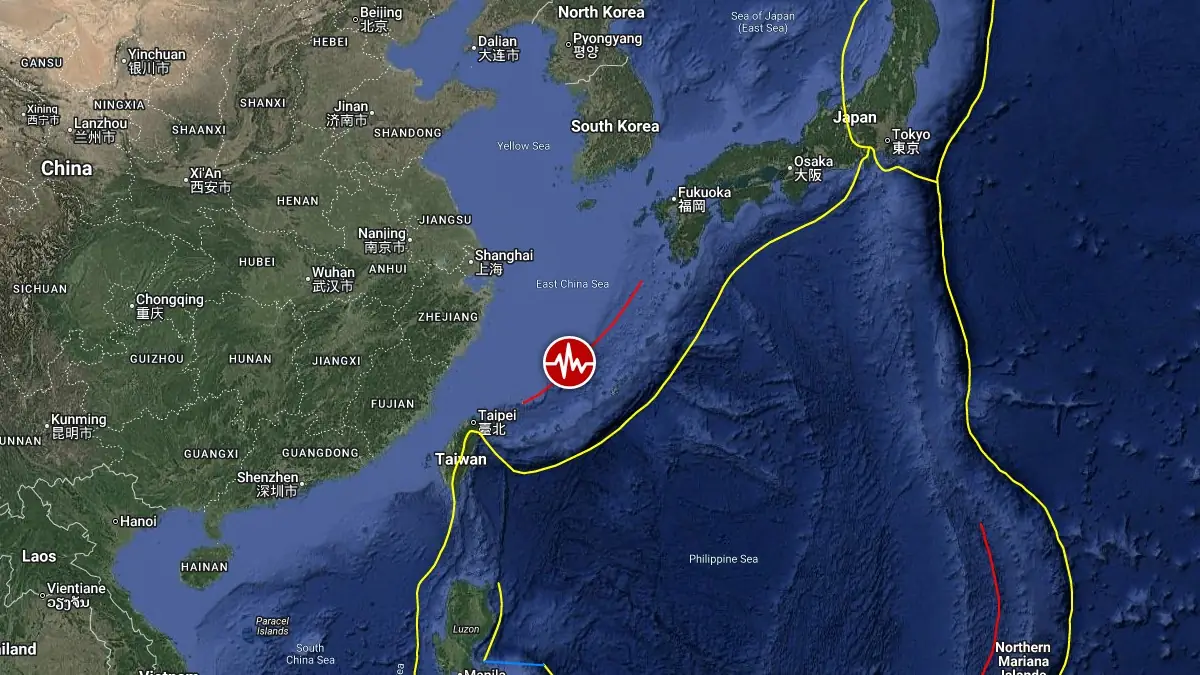
Epicenter of M6.1 earthquake in Southwestern Ryukyu Islands, Japan on July 3, 2026. Credit: TW/SAM, Google
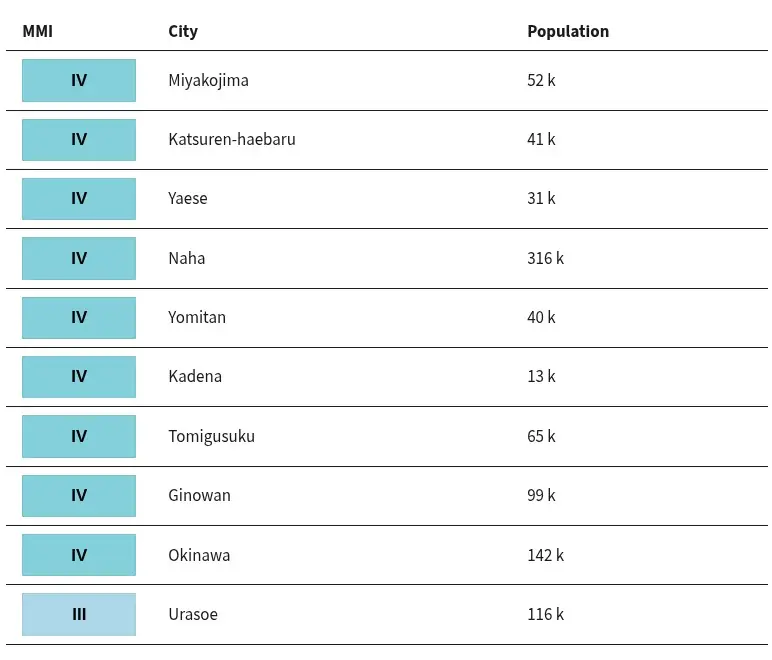
The epicenter was located 137 km (85 miles) SSW of Hirara (population 34 354), 138 km (86 miles) SSW of Miyakojima (population 54 908), 188 km (117 miles) E of Itoman (population 57 184), 191 km (118 miles) E of Tomigusuku (population 55 715), and 191 km (118 miles) E of Naha (population 317 405), Okinawa, Japan.
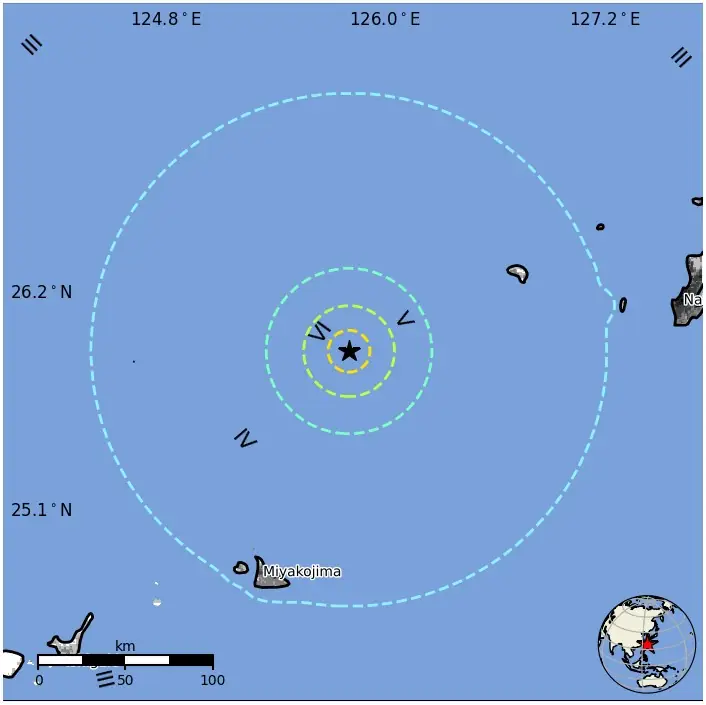
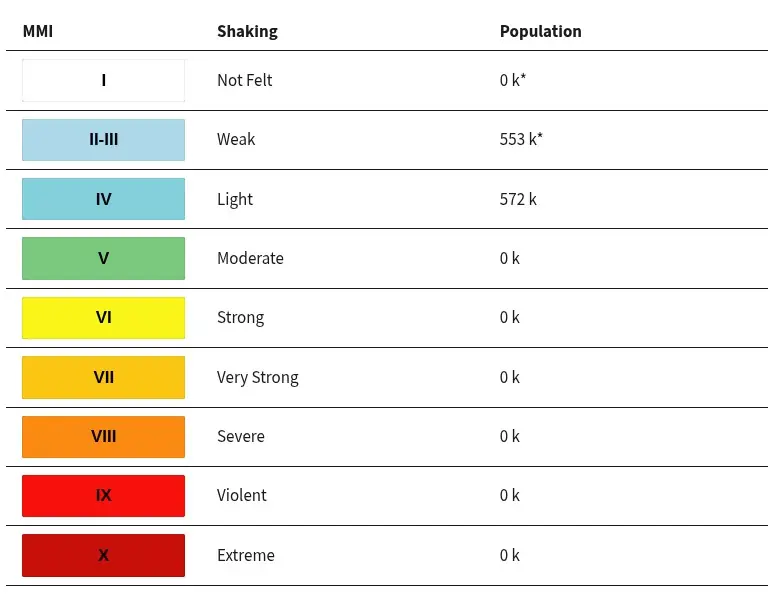
572 000 people are estimated to have felt light shaking, and 553 000 people felt weak.
The USGS issued a Green alert for shaking-related fatalities and economic losses. There is a low likelihood of casualties and damage.
Overall, the population in this region resides in structures that are resistant to earthquake shaking, though vulnerable structures exist. The predominant vulnerable building types are heavy wood frame and reinforced/confined masonry construction.
Estimated population exposure to earthquake shaking
Selected cities exposed
Regional seismicity
References:
1 M6.1 earthquake Southwestern Ryukyu Islands, Japan – USGS – July 3, 2026
2 M6.1 earthquake Southwestern Ryukyu Islands, Japan – EMSC – July 3, 2026

Rishav Kothari is Editor-in-Chief of The Watchers, where he runs the newsroom and covers earthquakes, volcanoes, severe weather and space weather.
More reporting
- Study links Japan's 5–6 mm eastward shift to a wave reflected from Earth's core boundary after the 2011 Tohoku-Oki M9.0
- Crescent-shaped damage in the left eye of a woman in her 20s who viewed the 21 August 2017 eclipse several times for about 6 seconds without glasses matched the blind spot she drew on an Amsler grid, Mount Sinai doctors reported.
- A 5 m tidal wave reached 12 km inland and killed 8 000 in Divi Taluka during the 1977 Andhra Pradesh cyclone
- Frequency Ratio model outperforms two competing methods in Himalayan landslide study
