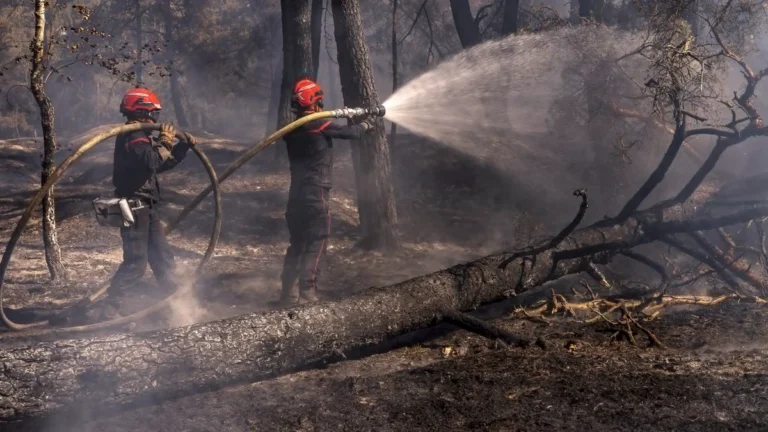
15 rescued as storms bring flooding and lightning fire to Cherokee County, Oklahoma
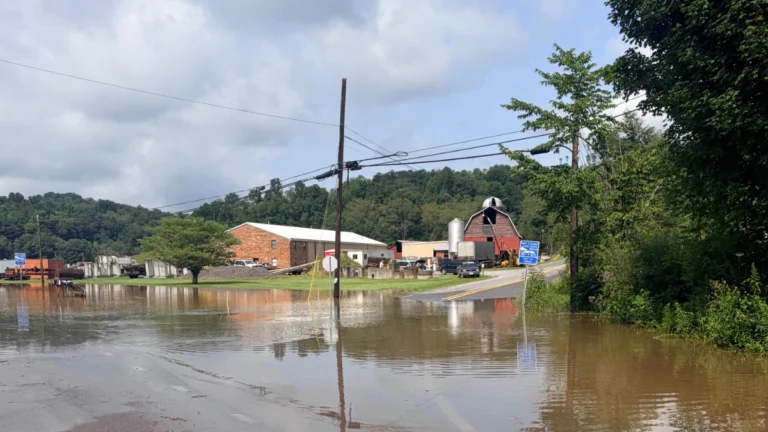
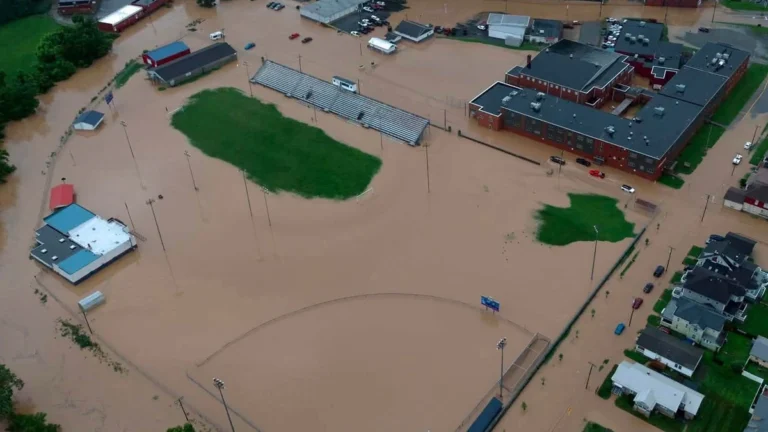
15 campers were rescued in Oklahoma after getting stranded by floodwaters near Littlefields in Cherokee County on Sunday, June 14, 2026.
I am an Assistant Editor and Severe Weather & Science Journalist at The Watchers, specializing in real-time severe weather coverage, geophysical event reporting, and research-driven scientific analysis. You can reach me at rishav(at)watchers(.)news.

15 campers were rescued in Oklahoma after getting stranded by floodwaters near Littlefields in Cherokee County on Sunday, June 14, 2026.

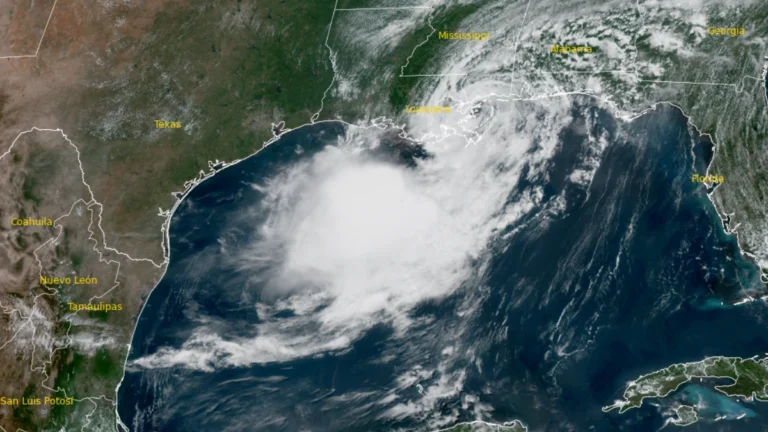
Heavy rainfall is forecast from South Texas into the lower Mississippi Valley this week. Moderate Risk excessive rainfall outlooks remain in effect across parts of the Gulf Coast as multiple rounds of thunderstorms develop within an unusually moist tropical air mass. Rainfall totals could reach 100 to 150 mm (4 to 6 inches) in some areas, with locally higher amounts possible from June 15 to 17, 2026.

Multiple heat advisories were issued across portions of California, Oregon, Washington, and Nevada on June 15, 2026. Temperatures are forecast to exceed 40°C (104°F) and could reach up to 44.4°C (112°F) in Trinity County, California.

More than 160 years after the M7.9 Fort Tejon earthquake, tectonic stress along Southern California’s two dominant fault systems has reached record levels, according to a new study that reconstructs 1 000 years of earthquake activity across the southern San Andreas and San Jacinto faults.

A giant scorpion that lived more than 410 million years ago may have been one of the earliest apex predators on Earth and could have spent much of its life in water, according to a new study published in Palaeontology. Researchers re-examined the fossil of the arthropod Praearcturus gigas and concluded that it was a giant scorpion rather than a crustacean, resolving a debate that has persisted for more than 150 years.

Scientists have identified a vast fan-shaped basin province beneath East Antarctica that extends under roughly half of the East Antarctic Ice Sheet. The newly recognized structure may preserve evidence of tectonic processes linked to mountain building and the breakup of Gondwana.

At least one person was killed, and 22 others were injured after damaging winds caused a tent to collapse at a church south of Moneta on June 12, 2026.

Seven tornadoes, including two rated EF3, struck parts of Illinois and Indiana on June 11, 2026. The storms injured at least seven people, severely damaged 44 homes in Streator, caused minor damage to 35 others, and damaged at least 200 buildings in Merrillville.

Saskatchewan’s first EF3 tornado since 2010 struck near Oxbow on June 9, 2026. The tornado tracked 32 km (20 miles) on the Canadian side of the border, producing estimated peak winds of 245 km/h (152 mph). It claimed the life of a pet animal, destroyed buildings at a farm property, and caused damage that extended into North Dakota, United States.

An EF3 tornado struck the Washburn area of central Illinois on June 10. 2026. The tornado reached a maximum width of 777 m (2 550 feet) and produced winds of up to 249 km/h (155 mph). Three EF1 tornadoes were confirmed near Lincoln’s New Salem, Athens, and Springfield. An EF0 tornado was also reported near Ipava.