I am an Assistant Editor and Severe Weather & Science Journalist at The Watchers, specializing in real-time severe weather coverage, geophysical event reporting, and research-driven scientific analysis. You can reach me at rishav(at)watchers(.)news.

  • Woman killed after SUV swept away by flash flood in Petal, Mississippi

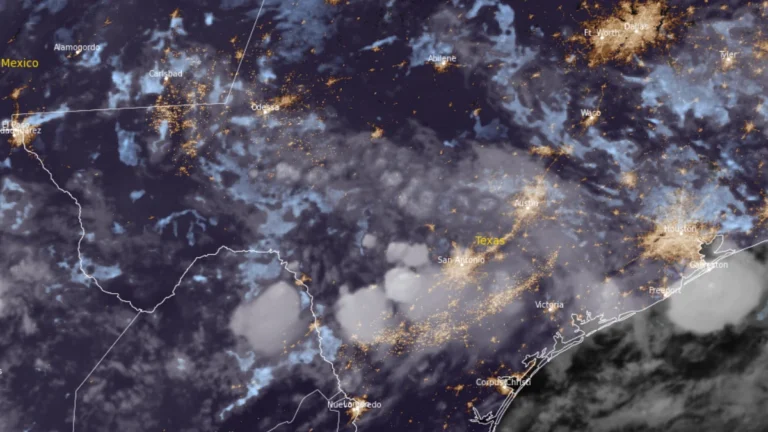
    A woman was killed after her SUV was swept away by floodwaters in Petal, Mississippi, as severe storms triggered widespread flooding across Forrest and Lamar counties on May 25, 2026. Up to 152 mm (6 inches) of rain fell over parts of southern Mississippi, with floodwaters rising up to 3.7 m (12 feet) in Petal at the storm’s peak.

  • UK records hottest spring day on record as temperatures reach 34.8°C (94.6°F)

    A historic heatwave intensified across the UK on May 25, with 13 locations provisionally breaking the country’s all-time May temperature record. Kew Gardens reached 34.8°C (94.6°F), surpassing the previous record of 32.8°C (91.0°F), while temperatures above 30°C (86°F) expanded across large parts of England. Forecasts show the heat persisting into May 26, with London potentially reaching 35°C (95°F).

  • UK forecasts hottest May day on record amid amber heat alerts

    The United Kingdom could record its hottest May day in Met Office records on Monday, May 25, with highs forecast to reach 35°C (95°F).  Unusually warm overnight conditions have already set a provisional national daily minimum-temperature record for the month of May.

  • Saskatchewan records first tornado of 2026, Canada

    The Northern Tornadoes Project confirmed Saskatchewan’s first tornado of 2026 after an EF0 landspout touched down near Disley, west of Regina, on May 22, while additional surveys in Ontario and Alberta raised Canada’s confirmed tornado count to 11 this year.

  • Japanese researchers discover Chicxulub impact evidence tied to dinosaur extinction

    Japanese researchers have identified geological traces in eastern Hokkaido linked to the Chicxulub asteroid impact that struck Earth about 66 million years ago, adding new East Asian evidence to the global record of the event widely associated with the extinction of non-avian dinosaurs.