
Peru declares state of emergency ahead of 2026–2027 El Niño rains
Peru has declared a 60-day state of emergency in 796 districts across 22 departments and the Constitutional Province of Callao on July 2, 2026, because of the imminent threat of intense rainfall associated with the 2026–2027 El Niño phenomenon, activating nationwide preparedness and disaster risk reduction measures.
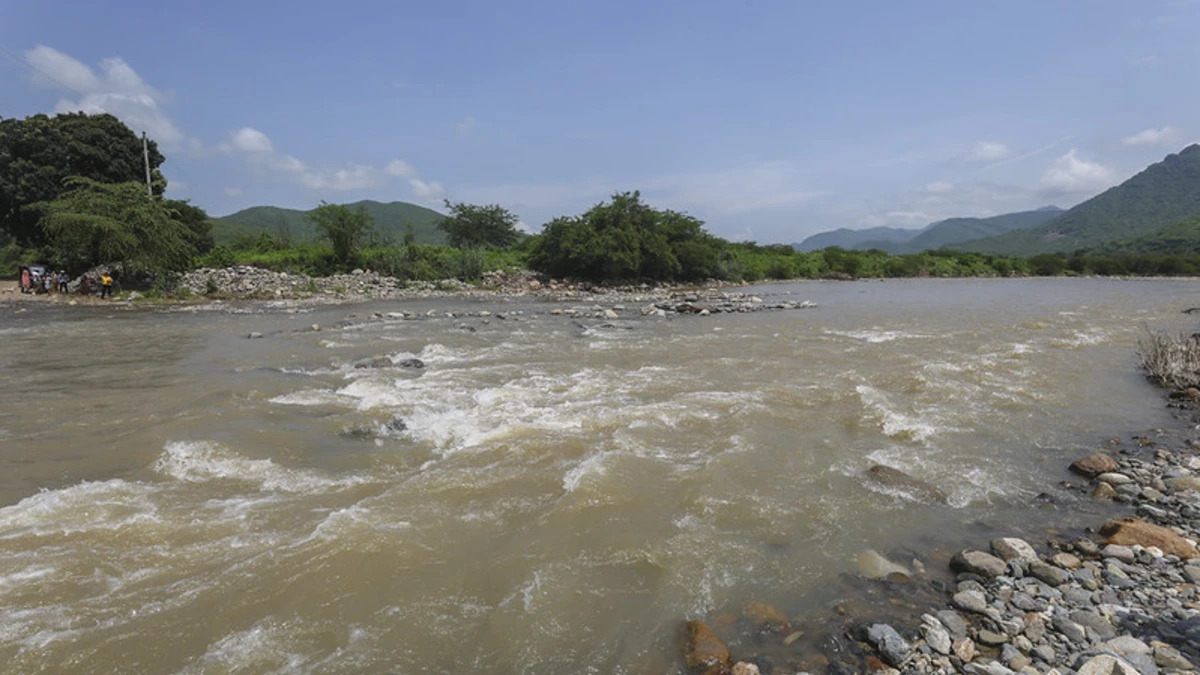
Image credit: Presidencia de la República del Perú
The measure was established through Supreme Decree No. 097-2026-PCM, signed on July 1 and published in the Official Gazette El Peruano on July 2. It authorizes emergency actions to reduce disaster risk while supporting response and rehabilitation efforts in areas considered to face a very high risk of severe rainfall.
The declaration follows assessments by the National Institute of Civil Defense (INDECI), supported by technical analyses from the National Meteorology and Hydrology Service of Peru (SENAMHI), the National Center for Disaster Risk Estimation, Prevention and Reduction (CENEPRED), the Multisectoral Commission in Charge of the National Study of the El Niño Phenomenon (ENFEN), and INDECI’s disaster risk specialists.
According to the decree, those assessments concluded that numerous districts face a very high risk from forecast El Niño-driven heavy rainfall as Coastal El Niño conditions persist alongside the development of El Niño in the central equatorial Pacific ahead of the upcoming rainy season.
Authorities said the response capacity of the affected regional governments has been exceeded, requiring technical and operational support from the national government. Under Peru’s National Disaster Risk Management System (SINAGERD), the situation has been classified as a Level 4 emergency.
Regional and local governments will implement disaster risk reduction, emergency response and rehabilitation measures under the technical coordination and oversight of INDECI. The response will also involve the Ministries of Health, Education, Agrarian Development and Irrigation, Housing, Construction and Sanitation, Defense, Interior, Transportation and Communications, Energy and Mines, Women and Vulnerable Populations, and Social Development and Inclusion, together with other public and private institutions as required.
The decree also authorizes the continuation of emergency operations initiated under eight previous emergency declarations issued earlier this year, allowing ongoing preparedness, response and rehabilitation activities to continue without interruption.
Implementation of the emergency measures will be financed through the existing institutional budgets of the participating government entities and will not require additional funding from Peru’s Public Treasury, according to Article 3 of the decree.
In a separate measure issued through Supreme Decree No. 098-2026-PCM, the government extended for another 60 days, beginning July 6, the state of emergency in several districts of the Ayacucho, Cusco and Junín departments. Unlike the rainfall emergency, the extension is intended to support continuing operations against drug trafficking and other forms of organized crime, with the National Police maintaining internal security with support from the Armed Forces.
References:
1 Gobierno declara estado de emergencia en 796 distritos por lluvias asociadas al fenómeno El Niño – Presidencia de la República del Perú – July 2, 2026
2 Decreto Supremo que declara el Estado de Emergencia en varios distritos de algunas provincias de los departamentos de Amazonas, Áncash, Apurímac, Arequipa, Ayacucho, Cajamarca, Huancavelica, Huánuco, Ica, Junín, La Libertad, Lambayeque, Lima, Loreto, Madre de Dios, Moquegua, Pasco, Piura, San Martín, Tacna, Tumbes, Ucayali y la Provincia Constitucional del Callao, por peligro inminente ante intensas lluvias asociadas al fenómeno El Niño 2026-2027 – Diario Oficial El Peruano – July 2, 2026

I’m a science journalist and researcher at The Watchers, contributing to the Epicenter edition, where I cover peer-reviewed scientific research and emerging discoveries across Earth and space sciences. With a background in astronomy and a passion for environmental science, I’ve worked in shark and coral conservation in Fiji, conducting reef and shark-behavior research, contributing to mangrove restoration, and earning PADI Open Water and Coral Reef Certifications. I bring a blend of scientific rigor and storytelling to illuminate the discoveries shaping our planet and beyond.

Commenting rules and guidelines
We value the thoughts and opinions of our readers and welcome healthy discussions on our website. In order to maintain a respectful and positive community, we ask that all commenters follow these rules.