
Japan records unprecedented five-day streak of temperatures reaching 40°C (104°F), the longest on record
Japan recorded temperatures of 40°C (104°F) or higher for the fifth consecutive day on July 25, 2026, marking the country’s longest such streak on record as an exceptionally persistent heatwave continued under a dominant Pacific high-pressure system. Heatstroke alerts remained in effect across much of the country, while additional climatological analysis suggests this summer is already approaching last year’s record number of locations reaching the 40°C (104°F) threshold.
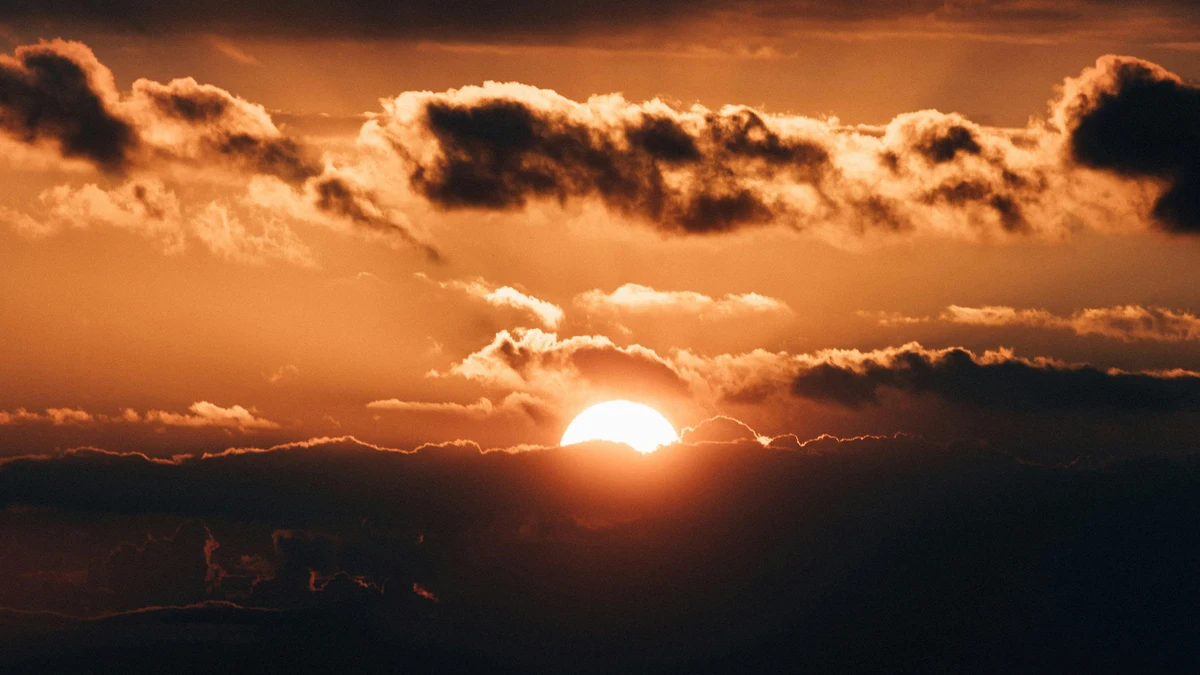
Image credit: Tsuyoshi Kozu/Unsplash
Japan experienced its fifth consecutive day with temperatures reaching 40°C (104°F) or higher on July 25, setting the country’s longest such streak on record. The Japan Meteorological Agency (JMA) attributed the persistent heat to a Pacific high-pressure system that has kept skies largely clear across much of the country.
The highest temperature of the day was 40.8°C (105.4°F) in Mino, Gifu Prefecture. Other locations reaching 40°C (104°F) or higher included Tajimi, Gifu Prefecture at 40.7°C (105.3°F), Kuwana, Mie Prefecture at 40.6°C (105.1°F), Hamamatsu (Chuo Ward), Shizuoka Prefecture at 40.3°C (104.5°F), Toyota, Aichi Prefecture at 40°C (104.0°F), and Kofu, Yamanashi Prefecture at 40°C (104.0°F).
Kofu also became the first location outside the Tokai region this year to record a kokushobi, the designation introduced by JMA in April 2026 for days when temperatures reach 40°C (104°F) or higher.
NHK reported that heatstroke alerts were in effect across 37 of Japan’s 47 prefectures. Authorities urged residents to use air conditioning, drink plenty of water, replenish salt and avoid prolonged outdoor activity. Warm, humid air flowing around a stationary front was also expected to bring heavy rain to parts of the Tohoku region and Niigata Prefecture, increasing the risk of landslides, flooding in low-lying areas, swollen rivers, lightning and strong wind gusts.
Emergency medical services are also seeing the effects of the prolonged heat. According to Japan’s Fire and Disaster Management Agency, 10 857 people were transported to hospitals by ambulance for heatstroke nationwide during the week of July 13 to 19, the first weekly total above 10 000 this year and 2.4 times higher than the previous week. Fourteen people died, while 321 people were classified as severe cases expected to require at least three weeks in hospital. The agency described the extreme heat as a “disaster.”
Tokyo also experienced a surge in heat-related emergencies. The metropolitan government reported a record 453 heatstroke ambulance transports on July 22 under the current reporting system. Authorities also confirmed at least one heat-related death after an elderly woman collapsed while gardening, while several other patients were reported to be in critical or serious condition.
Sayaka Mori, a Japanese meteorologist and weather communicator, said that July 25 marked Japan’s fifth consecutive day with temperatures reaching 40°C (104°F) or higher, the longest such streak on record.
Mori also reported that 22 locations have already reached the 40°C (104°F) threshold this year, the second-highest annual total ever recorded. The record of 30 locations was set in 2025, with much of the current summer still ahead.
The historic streak comes only a year after Japan recorded its highest temperature on record of 41.8°C (107.2°F).
References
1 Japan’s high temperatures top 40 for fifth straight day – NHK WORLD-JAPAN – July 25, 2026
2 Temperatures Hit 40 Degrees in Japan for Record 5th Straight Day – Jiji Press – July 25, 2026
3 Japan sizzles as temperatures top 40°C for fifth straight day – Reuters – July 25, 2026

I’m a science journalist and researcher at The Watchers, contributing to the Epicenter edition, where I cover peer-reviewed scientific research and emerging discoveries across Earth and space sciences. With a background in astronomy and a passion for environmental science, I’ve worked in shark and coral conservation in Fiji, conducting reef and shark-behavior research, contributing to mangrove restoration, and earning PADI Open Water and Coral Reef Certifications. I bring a blend of scientific rigor and storytelling to illuminate the discoveries shaping our planet and beyond.

Commenting rules and guidelines
We value the thoughts and opinions of our readers and welcome healthy discussions on our website. In order to maintain a respectful and positive community, we ask that all commenters follow these rules.