
Uganda launches food relief after 16 deaths in drought-hit Karamoja
Uganda launched emergency food relief operations on July 9, 2026, after the government reported 16 deaths from causes associated with food shortages in the drought-hit Karamoja sub-region, where prolonged dry conditions have caused widespread crop failures and prompted additional emergency assistance for the worst-affected districts.
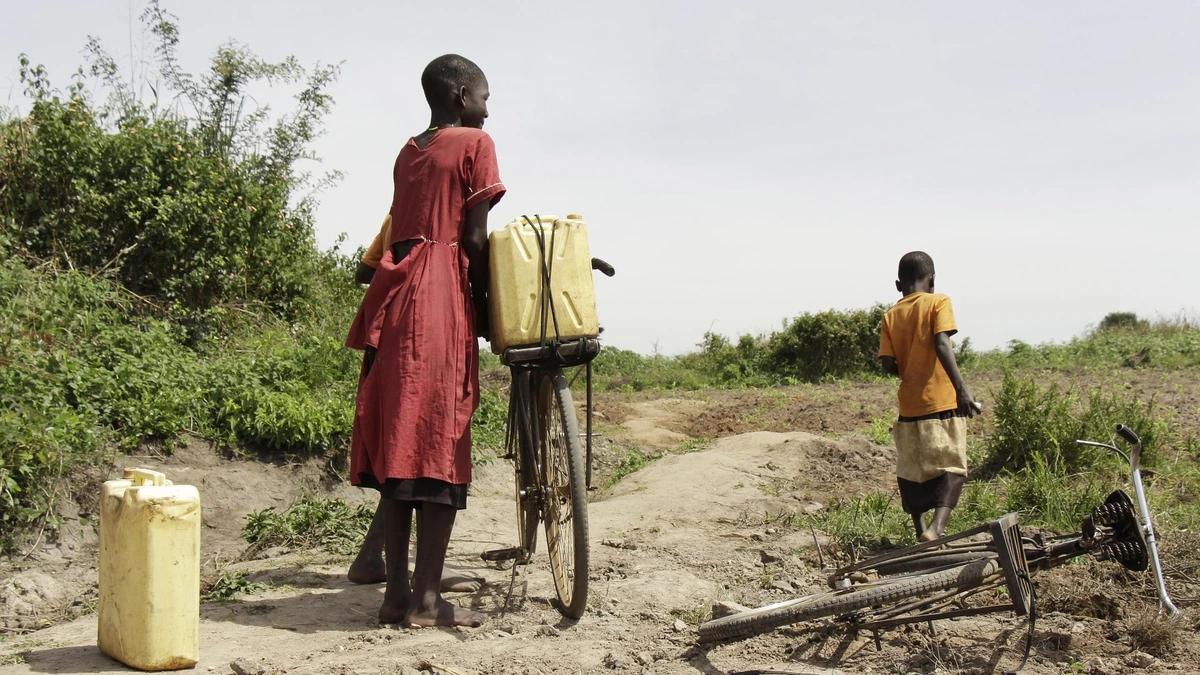
Image credit: Nambasi/Pixabay
In a July 9 press statement signed by Permanent Secretary Alex Kakooza, the government officially acknowledged the fatalities and extended condolences to the bereaved families and affected communities. The Office of the Prime Minister said prolonged dry conditions had led to crop failure and food shortages across Karamoja.
The first emergency food consignment was delivered on July 8 to Loduku and Loyoru sub-counties in Kaabong District. The shipment comprised 22 tonnes of relief food, including 13 tonnes of maize flour and 9 tonnes of beans.
The Office of the Prime Minister said additional consignments had been arranged for immediate distribution to Kaabong, Kotido, Amudat, Napak, and Moroto districts, while Cabinet was scheduled to consider procuring further emergency food supplies for Karamoja and neighboring districts on July 13.
The emergency response comes as FEWS NET projects that between 2.5 and 2.99 million people across Uganda will require food assistance between June 2026 and January 2027. Food assistance needs are expected to peak between September and November, driven by depletion of first-season food stocks in bimodal areas and extremely poor harvests anticipated in Karamoja. Refugees and poor households in Karamoja are identified as the populations of greatest concern.
FEWS NET projects Crisis (IPC Phase 3) outcomes across Karamoja through January 2027 after poor rainfall caused crop losses of 50–70% across much of the region. The assessment says own-produced food availability will remain extremely limited, forcing poor households to rely heavily on markets despite scarce income-earning opportunities.
Although livestock body conditions remain good to fair, extremely low livestock ownership means many households cannot depend on milk production or livestock sales to offset crop losses.
According to FEWS NET, Crisis (IPC Phase 3) outcomes are expected to persist across Karamoja through January 2027 after poor rainfall caused crop losses estimated at between 50 and 70 percent across much of the region. The assessment states that own-produced food availability will remain extremely limited, forcing poor households to depend heavily on markets despite scarce income-earning opportunities.
Diminished livestock ownership has further reduced households’ ability to cope with crop losses, as many own too few animals to benefit substantially from milk production or livestock sales even where livestock body conditions remain good to fair.
Karamoja remains one of Uganda’s most food-insecure regions after years of repeated weather shocks, conflict, livestock losses and entrenched poverty weakened household resilience. FEWS NET says prolonged periods of erratic rainfall have disrupted agricultural production in recent years, while the transition away from traditional pastoral livelihoods has increased dependence on rain-fed crop production and informal income sources.
Many poor households have exhausted their food stocks and are increasingly relying on activities such as firewood and charcoal sales, work in quarries and artisanal mines, petty trade, borrowing through village savings groups, and government Parish Development Model revolving funds to purchase food.
FEWS NET expects green consumption and the seasonal harvest to provide only short-lived improvements in July and August, with below-average rainfall through the remainder of the growing season expected to limit recovery and leave many households dependent on humanitarian assistance, market purchases, and unsustainable coping strategies to meet their minimum food need.
References:
1 Needs to remain high among refugees and poor households in Karamoja – FEWS NET – Accessed July 13, 2026

I’m a science journalist and researcher at The Watchers, contributing to the Epicenter edition, where I cover peer-reviewed scientific research and emerging discoveries across Earth and space sciences. With a background in astronomy and a passion for environmental science, I’ve worked in shark and coral conservation in Fiji, conducting reef and shark-behavior research, contributing to mangrove restoration, and earning PADI Open Water and Coral Reef Certifications. I bring a blend of scientific rigor and storytelling to illuminate the discoveries shaping our planet and beyond.

Commenting rules and guidelines
We value the thoughts and opinions of our readers and welcome healthy discussions on our website. In order to maintain a respectful and positive community, we ask that all commenters follow these rules.