
WHO declares PHEIC over cross-border Bundibugyo Ebola outbreak in DRC and Uganda
A cross-border Ebola outbreak involving the rare Bundibugyo virus strain prompted the World Health Organization (WHO) to declare a Public Health Emergency of International Concern (PHEIC) on May 17, 2026, after confirmed international spread between the Democratic Republic of the Congo (DRC) and Uganda raised concerns over regional transmission risk, limited medical countermeasures, and unresolved transmission chains.
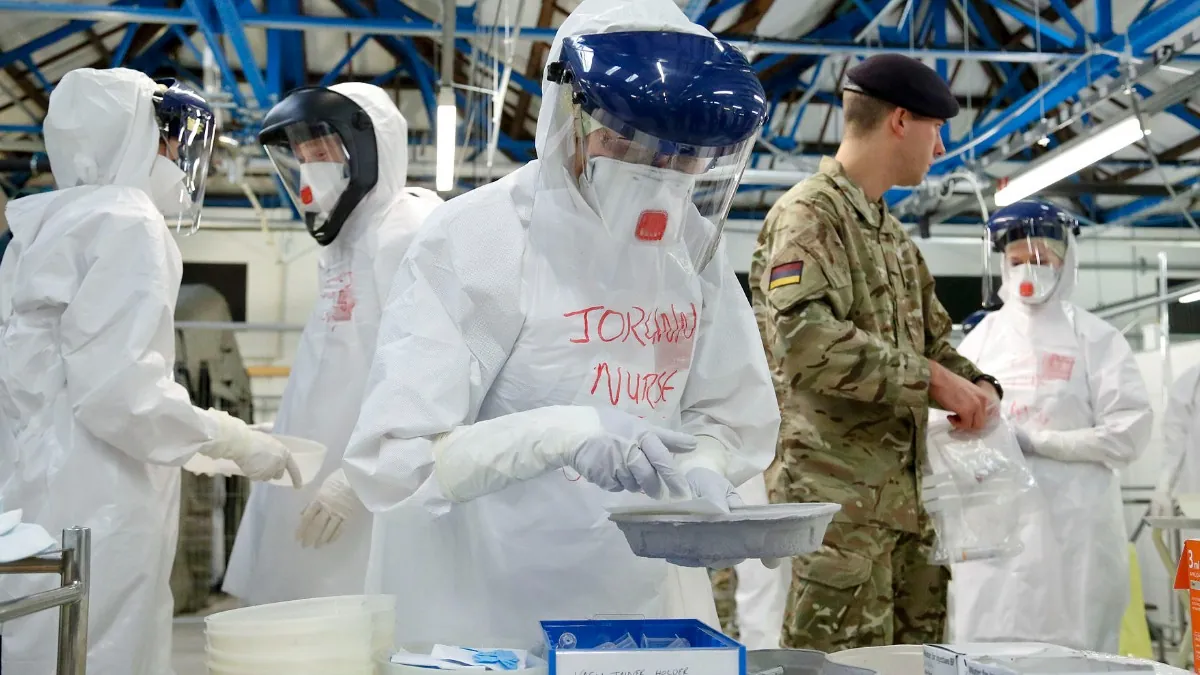
Image credit: Simon Davis/SFID
The World Health Organization (WHO) declared the Ebola disease outbreak caused by Bundibugyo virus in the Democratic Republic of the Congo and Uganda a Public Health Emergency of International Concern (PHEIC) on May 17, 2026, after confirmed international spread and concerns that undetected transmission could complicate containment efforts.
The declaration, issued under the International Health Regulations by WHO Director-General Tedros Adhanom Ghebreyesus, is intended to mobilize international coordination, surveillance, and emergency response efforts. WHO said the event poses a high regional risk but does not currently meet the threshold of a pandemic emergency.
According to WHO, as of May 16, 2026, authorities had reported 8 laboratory-confirmed cases, 246 suspected cases, and 80 suspected deaths in Ituri Province, DRC, across at least three health zones, including Bunia, Mongbwalu, and Rwampara. Uganda reported two confirmed imported cases, including one death, in Kampala after travel-linked exposure from DRC.
The outbreak involves Bundibugyo virus disease, a comparatively rare Ebola species first identified in Uganda in 2007. Unlike Ebola-Zaire outbreaks, for which approved vaccines and therapeutics exist, WHO said there are currently no approved Bundibugyo virus-specific vaccines or targeted therapeutics, increasing operational concern for outbreak control.
WHO said unusual clusters of community deaths compatible with Bundibugyo virus disease have been detected across several health zones in Ituri, while suspected infections have also been reported elsewhere in eastern DRC. The agency warned that insecurity, conflict-related access limitations, delayed detection, and informal healthcare networks may mean the outbreak is larger than current figures indicate.
Containment efforts are likely to face additional pressure because of extensive population movement across the DRC–Uganda border. WHO said cross-border mobility, urban and semi-urban transmission pathways, and limited surveillance capacity increase the risk of further spread if response measures are delayed or incomplete.
The WHO Regional Office for Africa said DRC confirmed the outbreak on May 15 after testing by the National Institute of Biomedical Research identified Bundibugyo virus in samples collected from suspected cases linked to illness clusters and deaths in affected areas of Ituri Province. National authorities have since activated emergency coordination systems and deployed multidisciplinary rapid-response teams.
WHO advised DRC and Uganda to strengthen surveillance, contact tracing, laboratory testing, case isolation, infection prevention, and risk communication. The agency recommended cross-border screening and enhanced preparedness measures in neighboring countries while advising against blanket border closures or broad travel and trade restrictions.
Health authorities warned that the coming days will be critical for determining the outbreak’s scale, tracing transmission pathways, and assessing whether containment efforts are sufficient to prevent wider regional spread.
References:
1 Epidemic of Ebola Disease caused by Bundibugyo virus in the Democratic Republic of the Congo and Uganda determined a public health emergency of international concern – WHO – May 17, 2026
2 Democratic Republic of the Congo confirms new Ebola outbreak, WHO scales up support – WHO Africa – May 15, 2026

I'm a dedicated researcher, journalist, and editor at The Watchers. With over 20 years of experience in the media industry, I specialize in hard science news, focusing on extreme weather, seismic and volcanic activity, space weather, and astronomy, including near-Earth objects and planetary defense strategies. You can reach me at teo /at/ watchers.news.

Commenting rules and guidelines
We value the thoughts and opinions of our readers and welcome healthy discussions on our website. In order to maintain a respectful and positive community, we ask that all commenters follow these rules.