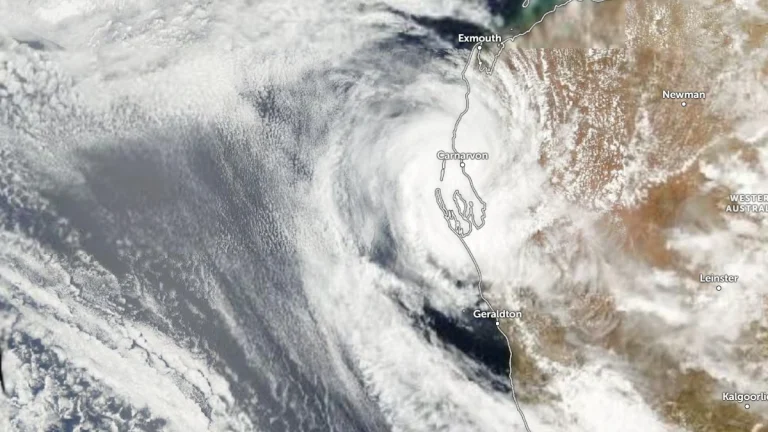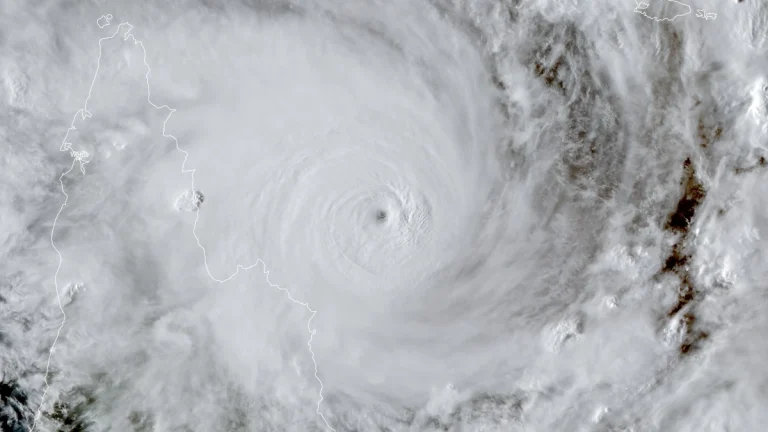
• Tropical Cyclone Narelle forms in Coral Sea, forecast to intensify before Queensland impact, Australia

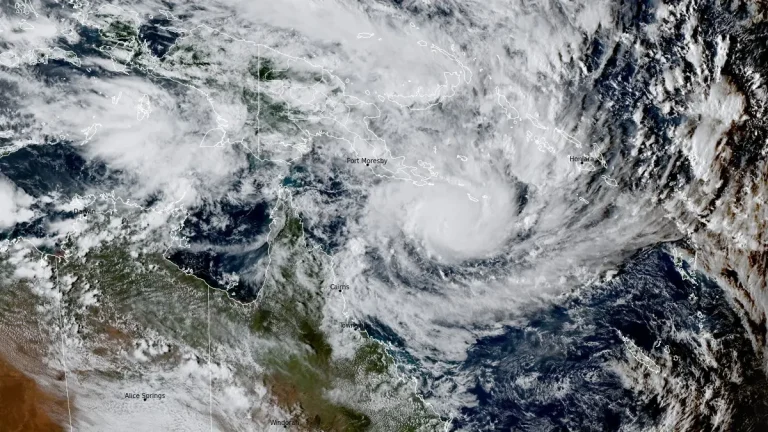
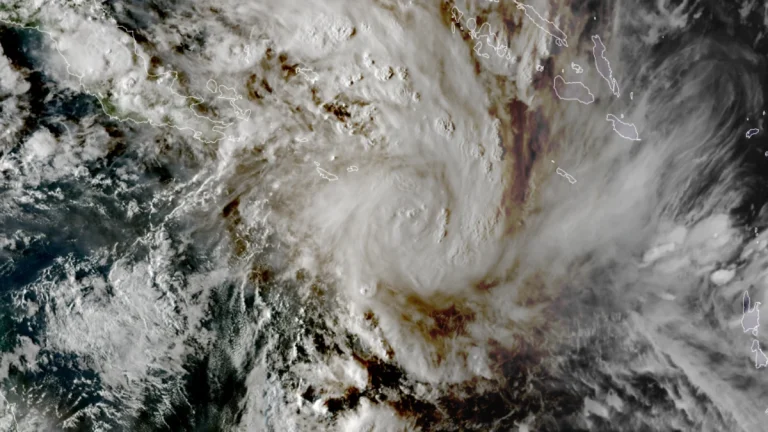
    ropical Cyclone Narelle developed in the northern Coral Sea on Tuesday, March 17, 2026, with sustained winds of 85 km/h (53 mph) and gusts to 120 km/h (75 mph). The system is moving west-southwest toward Far North Queensland and is forecast to intensify to severe tropical cyclone strength before approaching the coast later this week, with damaging winds, heavy rainfall, and coastal flooding being forecast.

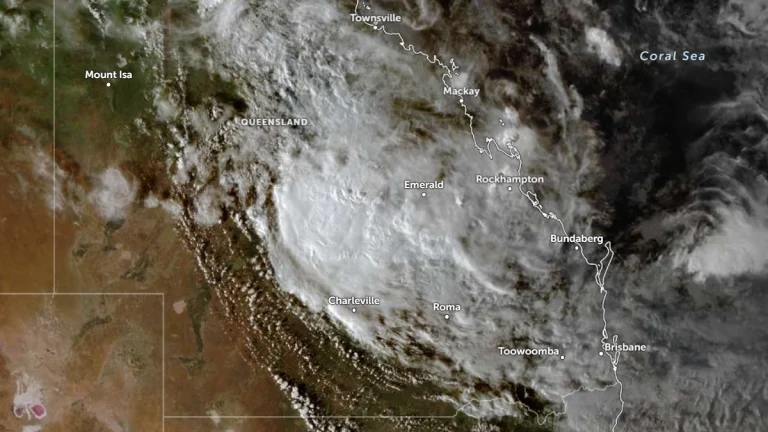
  • Severe flooding hits Northern Territory and Queensland as rivers reach major levels, Australia

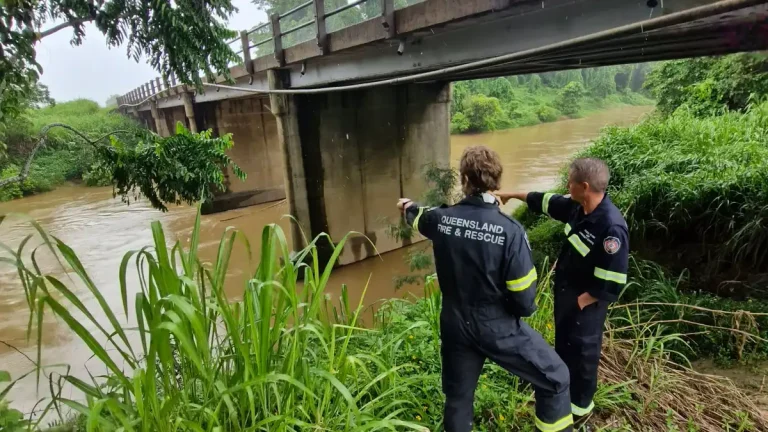
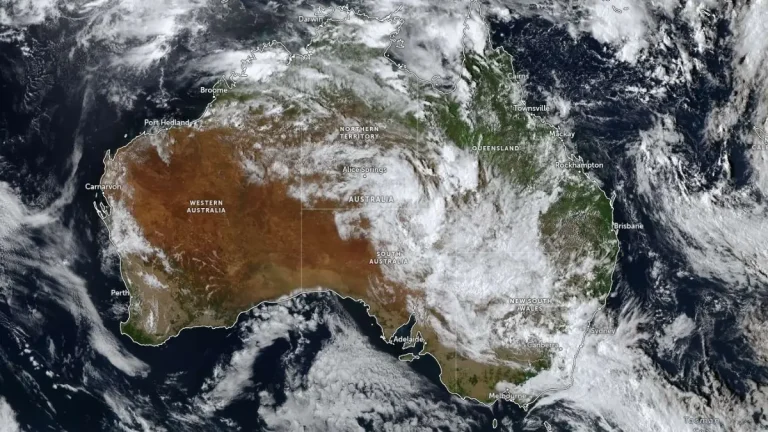
    Severe flooding affected parts of Northern Territory and Queensland, Australia during the first week of March 2026 after persistent monsoonal rainfall caused multiple rivers to exceed major flood levels. The Katherine River in Northern Territory peaked at 19.2 m (63 feet) before midnight on March 7, its highest level since 1998, while the Burnett River in Bundaberg, Queensland was forecast to reach about 7.6 m (25 feet) between March 10 and March 11, 2026. Evacuations, road closures, infrastructure disruptions, and widespread flood warnings were issued as rainfall totals exceeded 500 mm (20 inches) in parts of northern Australia.

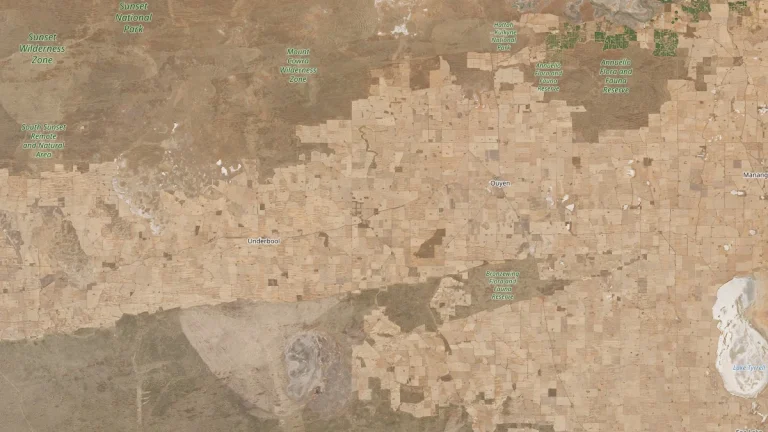
  • Severe dust storm engulfs Broken Hill, Australia

    A fast-moving dust storm affected outback communities in New South Wales on January 31, 2026, resulting in hazardous driving conditions and widespread dust deposition. Meteorologists from the Bureau of Meteorology reported the system formed as dry topsoil was lifted by intense westerly gusts exceeding 70 km/h (45 mph).

  • Victoria sets new all-time temperature record of 48.9°C (120°F) amid severe heatwave, Australia

    Temperatures across southeastern Australia reached record levels on January 27, 2026, with the Bureau of Meteorology confirming a new all-time high of 48.9°C (120°F) at Walpeup and Hopetoun in Victoria. The readings surpassed the previous state record of 48.8°C (119.8°F) set in 2009, amid severe to extreme heatwave conditions extending across Victoria, South Australia, and inland New South Wales.

  • Tropical Cyclone Koji brings severe flooding across north and central Queensland, Australia

    Tropical Cyclone Koji brought torrential rainfall and widespread flooding to north and central Queensland on January 12, 2026, following its landfall near Ayr and Bowen a day before. Major flood warnings are in effect for multiple river systems, with rainfall totals of up to 600 mm (24 inches) in some areas, while thousands of customers remain without power. Emergency crews have conducted rescues and evacuations as the system moves inland, continuing to produce heavy rain and thunderstorms.

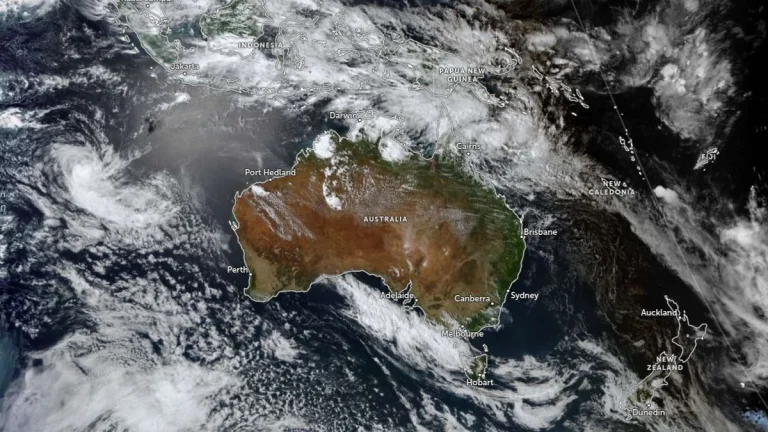
  • Severe multi-state heatwave drives extreme bushfire risk across southern Australia

    Australia is enduring one of its most intense heatwaves since the 2019–20 Black Summer, with extreme temperatures, strong winds and dry lightning fuelling catastrophic fire danger across multiple states. Emergency-level bushfires have been reported in South Australia and Victoria, while BOM forecasts indicate the threat will intensify through Friday, before cooler air reaches southern regions at the weekend.