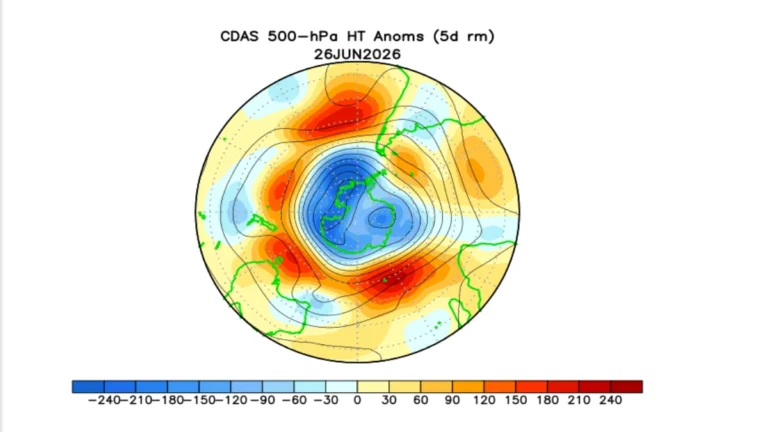
• Negative Southern Annular Mode develops, bringing snow, storms and colder conditions to southern Australia

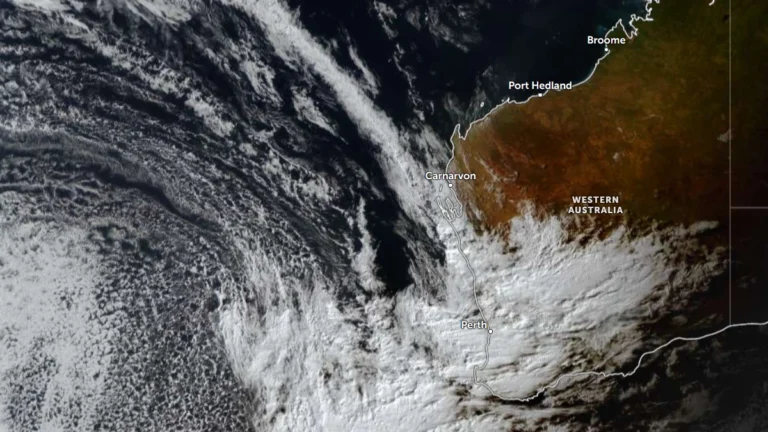
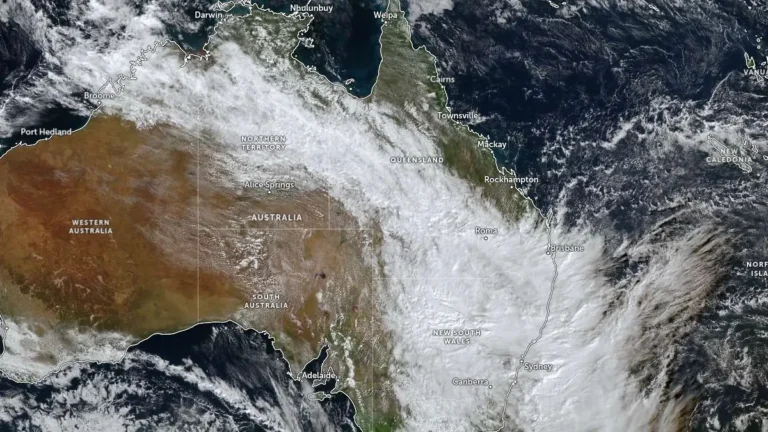
    A negative Southern Annular Mode (SAM) developed over the Southern Hemisphere on July 18, 2026, triggering a sharp shift in Australia’s winter weather. The change is expected to push cold fronts farther north through the remainder of July, bringing heavy rain, damaging winds, hail and low-level snow to Tasmania while leaving much of eastern New South Wales dry and unusually mild, according to Weatherzone meteorologist Ben Domensino. Forecast models indicate the negative phase is likely to persist for the rest of the month.
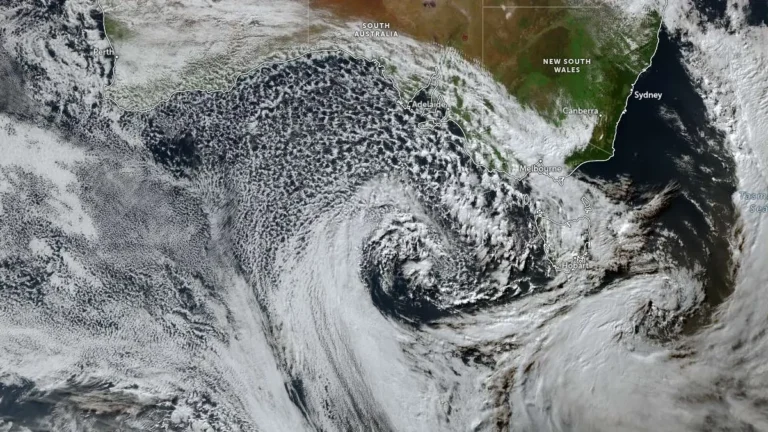
  • Adelaide hit by 70% of its July rainfall in one day as successive cold fronts bring flooding and damaging winds to South Australia

    Heavy rain from successive winter cold fronts flooded roads and properties across South Australia during July 2–3, 2026, prompting hundreds of State Emergency Service (SES) call-outs, disrupting transport, triggering a statewide Code Blue response for vulnerable people and delivering more than 100 mm (3.9 inches) of rain to parts of the Mount Lofty Ranges, according to the Bureau of Meteorology (BOM) and the SES.

  • Severe Tropical Cyclone Maila tracks toward Papua New Guinea and Queensland, Australia

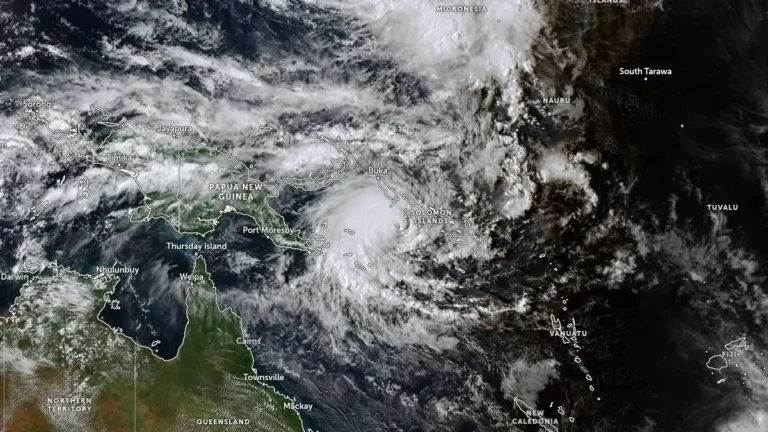
    Severe Tropical Cyclone Maila remained over the Solomon Sea at 06:00 UTC on April 8, 2026, with sustained winds of 165 km/h (103 mph) and a central pressure of 941 hPa, while beginning a gradual weakening trend after recent rapid intensification. The system is moving slowly northward at 6 km/h (3.7 mph) and is forecast to track west to southwest toward southeastern Papua New Guinea before entering the Coral Sea later this week.

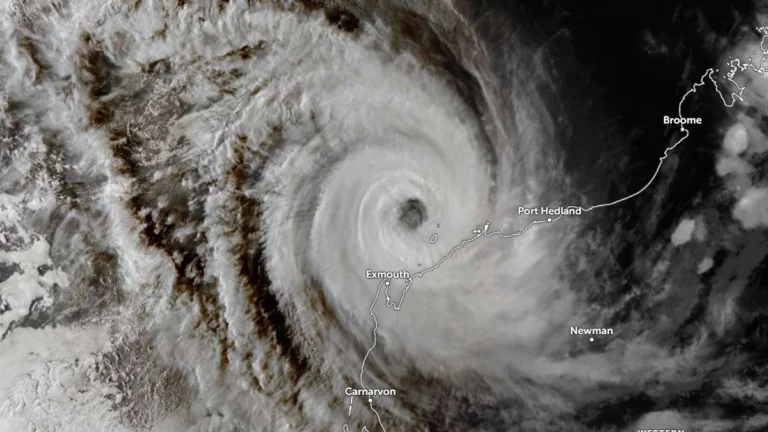
  • Severe Tropical Cyclone Narelle severely damages Exmouth airport and disrupts LNG operations in Western Australia

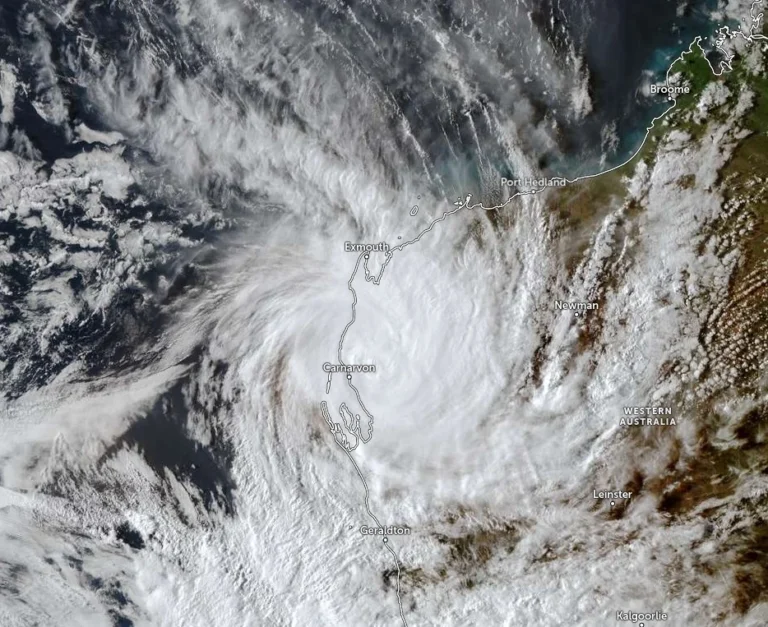
    Severe Tropical Cyclone Narelle made landfall just south of Coral Bay, Western Australia, on March 27, 2026, bringing destructive winds, heavy rain, and coastal impacts across the northwest coast. The storm caused significant damage in Exmouth, disrupted essential services, and forced the shutdown of major LNG facilities.

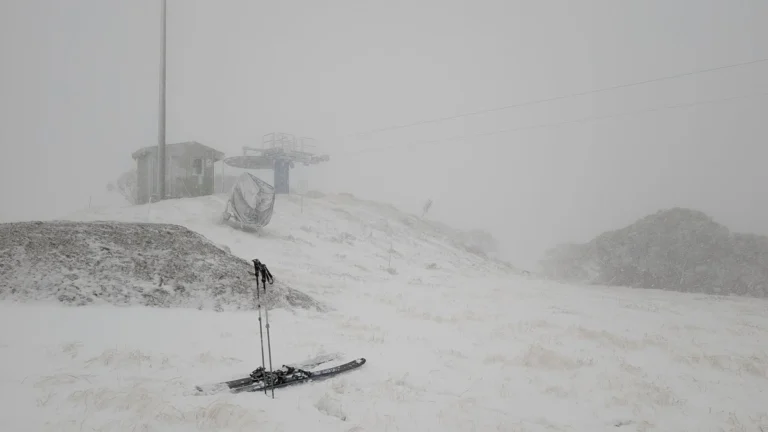
  • Damaging winds, hazardous surf and alpine snow impact south-eastern Australia

    A multi-hazard weather system began affecting south-eastern Australia on March 26, 2026, bringing severe thunderstorms to parts of New South Wales, followed by damaging winds, hazardous surf along the NSW coast, a sharp temperature drop, and snow in alpine areas. Forecasts through March 28 called for gusts up to 120 km/h (75 mph) in exposed coastal areas, offshore wave heights of several meters, and wintry conditions over higher terrain, while NSW SES reported hundreds of storm-related incidents during the initial phase of the event.

  • Severe Tropical Cyclone Narelle to pass close to the North West Cape, bringing destructive winds to Western Australia

    Severe Tropical Cyclone Narelle strengthened to Category 4 off the coast of Western Australia on March 26, 2026, and was forecast to pass close to the North West Cape before tracking south along the Gascoyne coast on March 27. The Bureau of Meteorology warned the system could bring very destructive wind gusts up to 275 km/h (171 mph), dangerous storm surge, and heavy rainfall capable of producing flash flooding across parts of the Pilbara and Gascoyne.