
Tropical Cyclone Mitchell causes thousands of power outages in Western Australia
Tropical Cyclone Mitchell crossed the Western Australian coast near Shark Bay overnight on February 9, 2026, after weakening below tropical cyclone strength, bringing damaging winds, power outages, and flooding to coastal and inland regions.

Satellite image of Tropical Cyclone Mitchell on February 9, 2026. Credit: JMA/Himawari-9, Zoom Earth, The Watchers
The storm brought heavy rain and damaging winds of up to 155 km/h (96 mph) to parts of Western Australia, with gusts of 107 km/h (66 mph) at Carnarvon and 85 km/h (52 mph) at Shark Bay yesterday, the Bureau of Meteorology’s Sarah Scully said.
132 mm (5.2 inches) of rain had been recorded at Gascoyne Junction, and 104 mm (4.1 inches) at Shark Bay since 09:00 LT on February 10. The Kimberleys also continued to receive heavy rainfall, with 122 mm (4.8 inches) recorded at Mount Winifred.
Horizon Power said more than 1 600 customers in the Exmouth area were left without power, with outages peaking at close to 2 000 properties as strong winds damaged electricity distribution infrastructure. Restoration work was undertaken as conditions allowed.
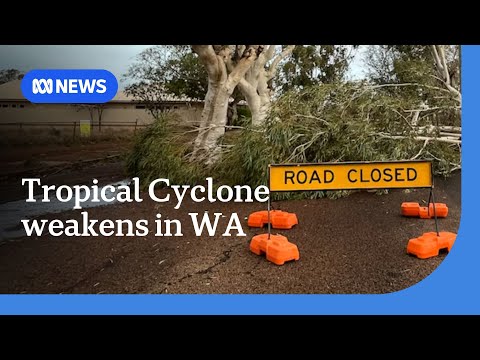
The Department of Fire and Emergency Services issued severe weather warnings and urged residents in affected areas to shelter as the system crossed the coast and moved inland.
Emergency services reported approximately 20 weather-related call-outs, primarily involving property damage and requests for assistance.
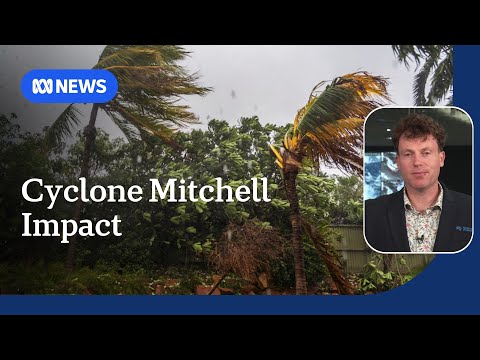
Flood warnings remained in place through Tuesday, particularly across parts of the southern Gascoyne, where ongoing rainfall increased the risk of localized flooding and rising water levels in inland catchments.
Mitchell continued to weaken as it moved south, with authorities advising communities to remain alert to changing conditions while hazardous weather persisted inland.

Rishav Kothari is Editor-in-Chief of The Watchers, where he runs the newsroom and covers earthquakes, volcanoes, severe weather and space weather.
Published in the last 24 hours
- Flying glass cut a teacher in Russia but none of her 44 pupils, because when a meteor flashed across the sky in 2013, she told them to get under their desks Epicenter
- A South Dakota man put the widest and heaviest hailstone on US record in his freezer, and a power cut melted part of it before NOAA measured it at 8 inches across and nearly 2 pounds in 2010 Epicenter
- Black kites and brown falcons in northern Australia have been seen snatching smoldering sticks from wildfires, flying them into unburned grass and dropping them, starting new fires that send lizards, rodents and insects running straight toward the waiting birds Epicenter
- A levee protecting a highway north of San Francisco is pocked with animal burrows and only 3 feet wide in places, and a report warns this winter's El Niño could push water over the top Epicenter
