
Severe dust storm engulfs Broken Hill, Australia
A fast-moving dust storm affected outback communities in New South Wales on January 31, 2026, resulting in hazardous driving conditions and widespread dust deposition. Meteorologists from the Bureau of Meteorology reported the system formed as dry topsoil was lifted by intense westerly gusts exceeding 70 km/h (45 mph).
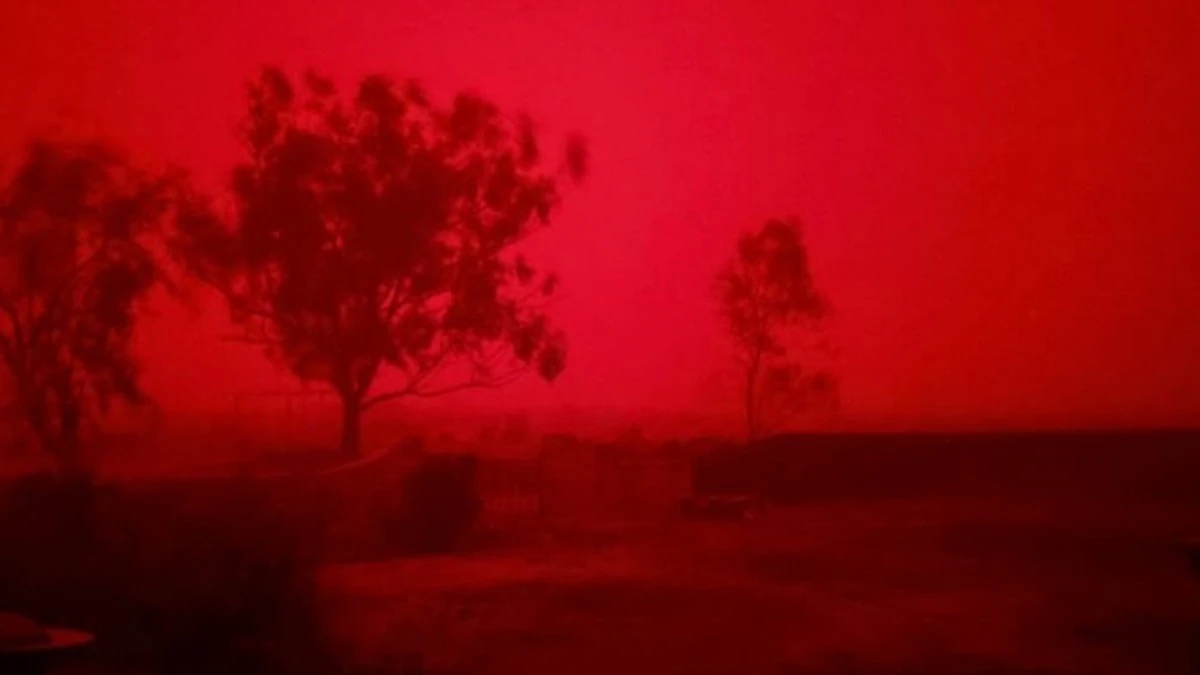
Dust storm affecting New South Wales, Australia on January 31, 2026. Credit: jcbcullen
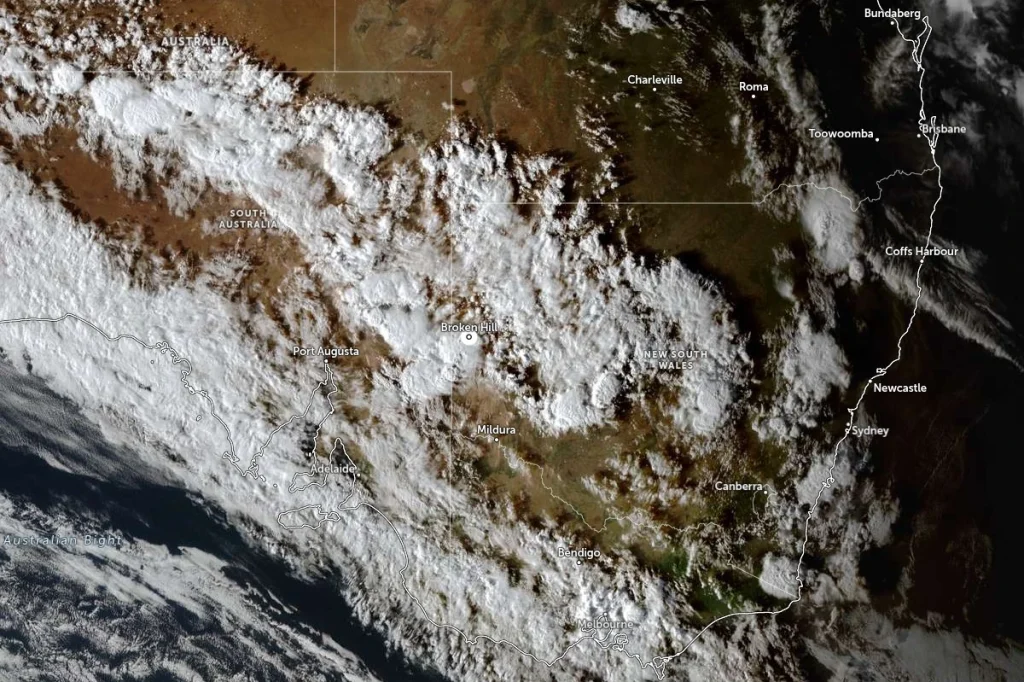
The Bureau of Meteorology (BoM) reported that strong convective activity over northern South Australia during the afternoon of January 31 produced intense gust fronts that mobilized large quantities of loose soil and transported them eastward into New South Wales overnight.
The main dust plume reached Broken Hill late afternoon, accompanied by wind gusts estimated between 65 and 80 km/h (40–50 mph).
Witnesses described the advancing front as several hundred metres high and extending for kilometres across the horizon. Visibility dropped to near zero within minutes as airborne dust infiltrated homes, covering furniture and interior surfaces.
According to BoM’s Dust-Risk Bulletin issued January 30, central and western inland Australia were under “very high” wind-erosion risk following weeks of anomalously dry weather.
Rainfall during January measured only 3 mm (0.12 inches) at Alice Springs, while daytime maxima exceeded 40°C (104°F) for several consecutive days, creating optimal conditions for large-scale dust entrainment.
Transport for NSW issued road-safety warnings for the Barrier Highway and secondary routes between Broken Hill and Menindee. Motorists were advised to use headlights and reduce speed until visibility improved.
Cleanup operations began early February 2 as winds subsided and a fine red layer of dust settled across streets, vehicles, and vegetation.
BoM forecasts isolated showers for central and eastern inland regions through February 3–5, which may temporarily improve air quality but are unlikely to deliver sustained relief from the ongoing drought conditions affecting large parts of interior Australia.

I'm a dedicated researcher, journalist, and editor at The Watchers. With over 20 years of experience in the media industry, I specialize in hard science news, focusing on extreme weather, seismic and volcanic activity, space weather, and astronomy, including near-Earth objects and planetary defense strategies. You can reach me at teo /at/ watchers.news.

Commenting rules and guidelines
We value the thoughts and opinions of our readers and welcome healthy discussions on our website. In order to maintain a respectful and positive community, we ask that all commenters follow these rules.