
Crashes reported due to blinding dust storms in North Dakota
Blinding dust storms caused crashes on state highways 83 and 85 in North Dakota on May 14, 2026, while grass fires fueled by dry and windy conditions created dangerous travel conditons on the I-29 in Traill County.
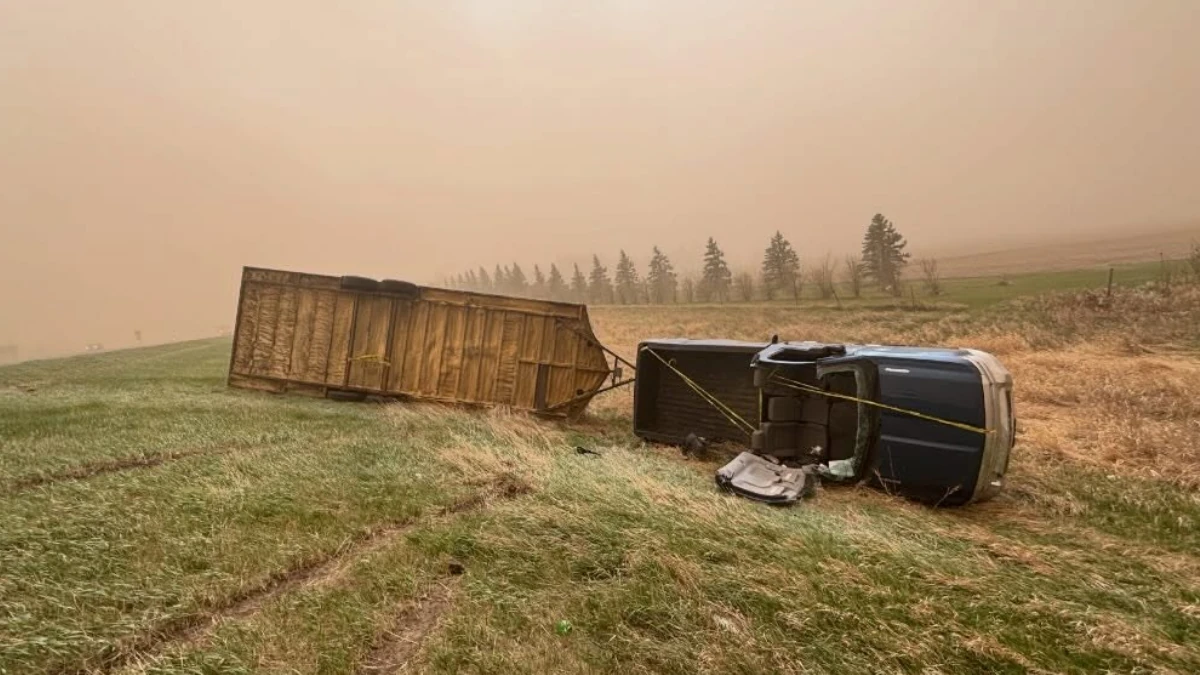
Crash caused by blinding dust storm on Highway 83 near Minot, North Dakota on May 14, 2026. Credit: NDHP
Blinding dust storms swept across parts of North Dakota on May 14, causing multiple crashes on state highways, reported the North Dakota Highway Patrol (NDHP).
A crash was reported in Williams County on Highway 85 near mile marker 212 at approximately 13:30 local time (LT) on May 14.
“Low to no visibility is being reported in northwest North Dakota due to blowing dirt. Please stay home if you are able. If you must travel, slow down, turn on your headlights, increase following distance, and be prepared for rapidly changing conditions,” said NDHP.
Another crash was reported on Highway 83 near mile marker 197 south of Minot. The crash involved one person who was saved by his seatbelt.
Zero visibility conditions were reported across northwest North Dakota, including Highway 28, north of Berthold, and Highway 40, south of Tioga.
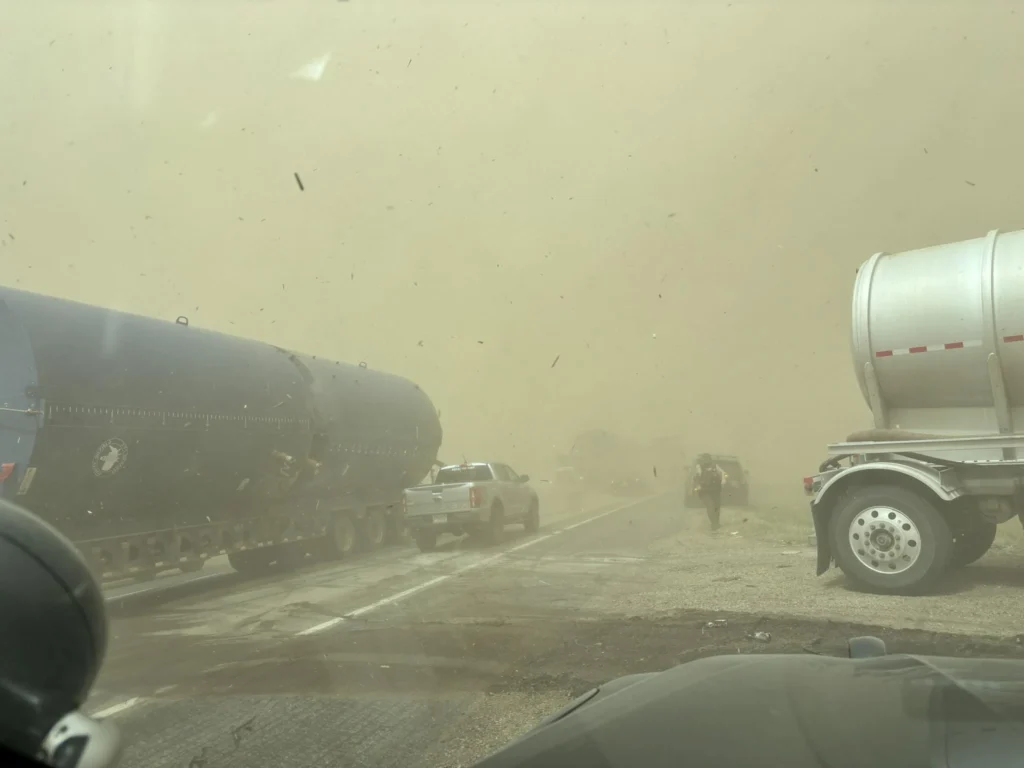 Crash caused by a dust storm on Highway 85 near Williams County on May 14, 2026. Credit: NDHP
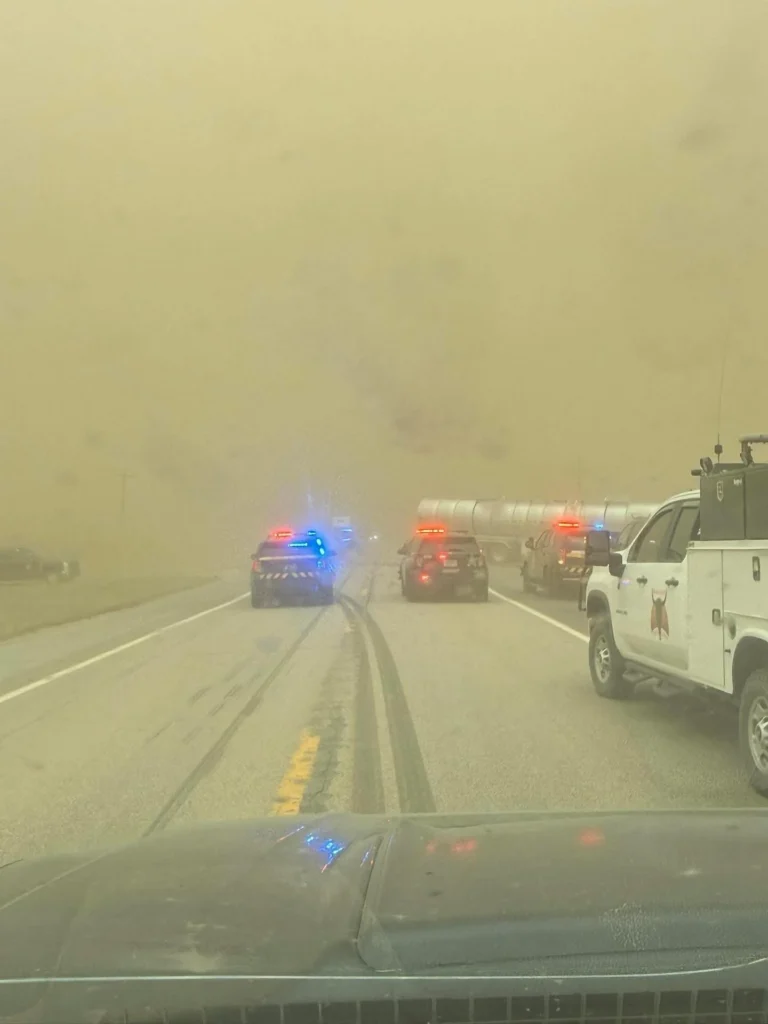 NDHP responding to a crash caused by a dust storm on Highway 84 near Williams County on May 14, 2026. Credit: NDHP
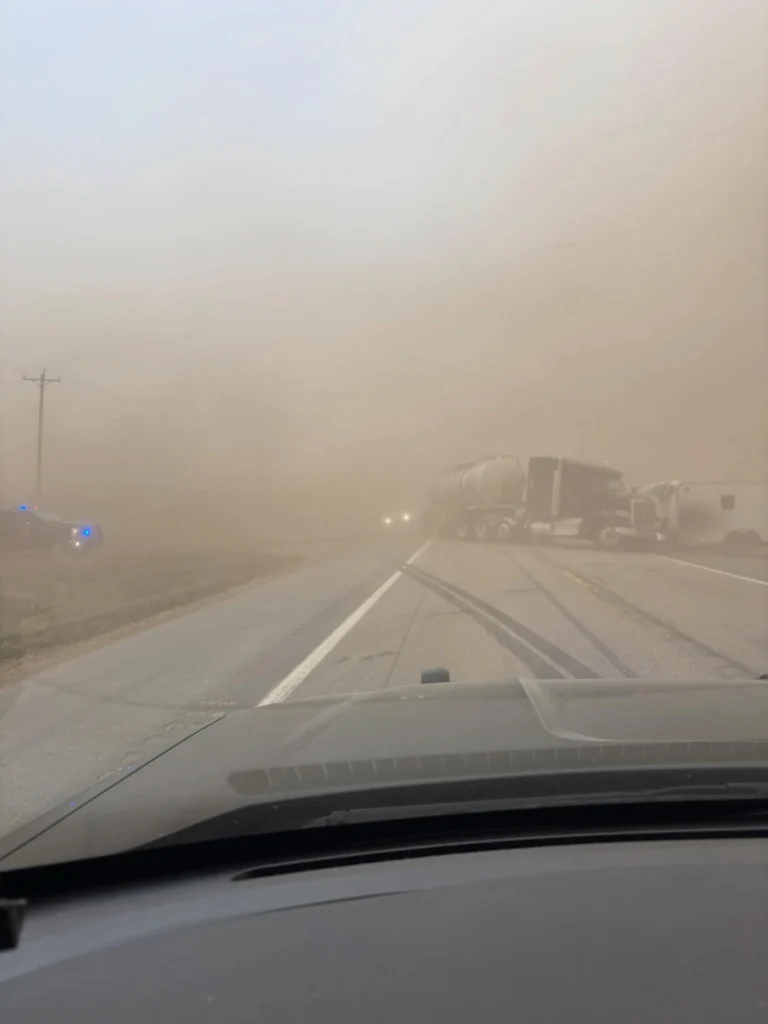 Crash caused by blinding dust storms in North Dakota on May 14, 2026. Credit: NDHP
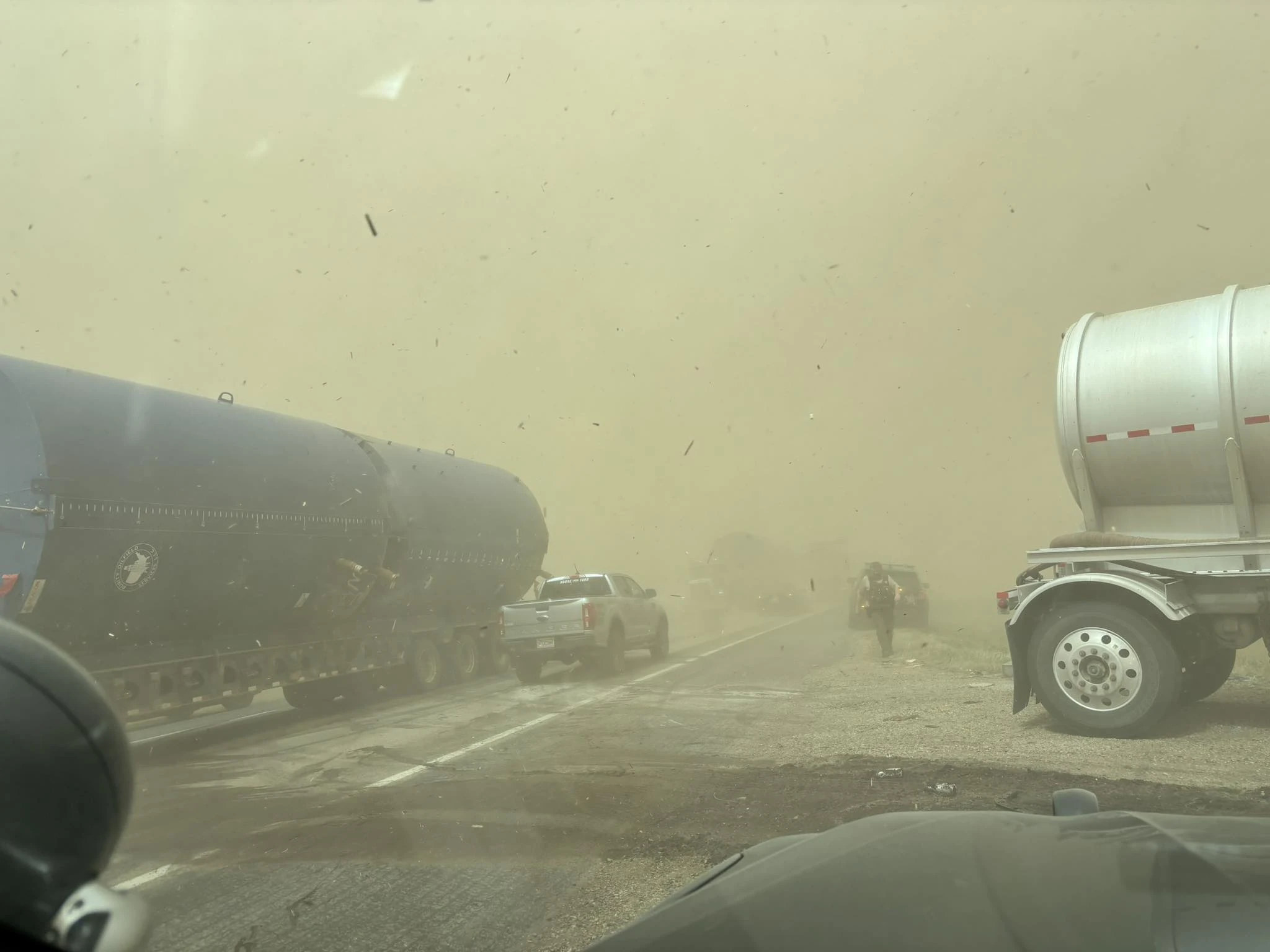
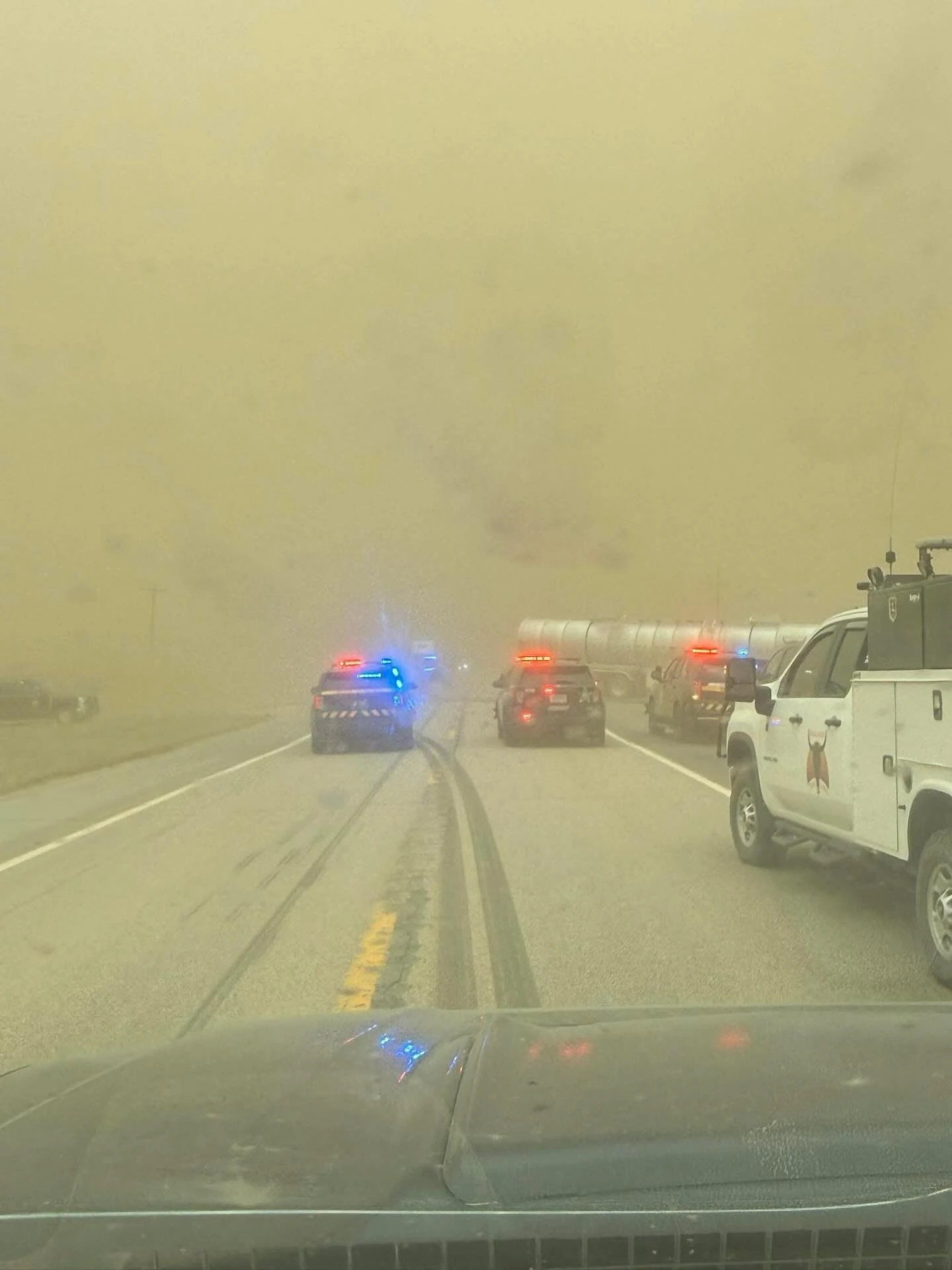
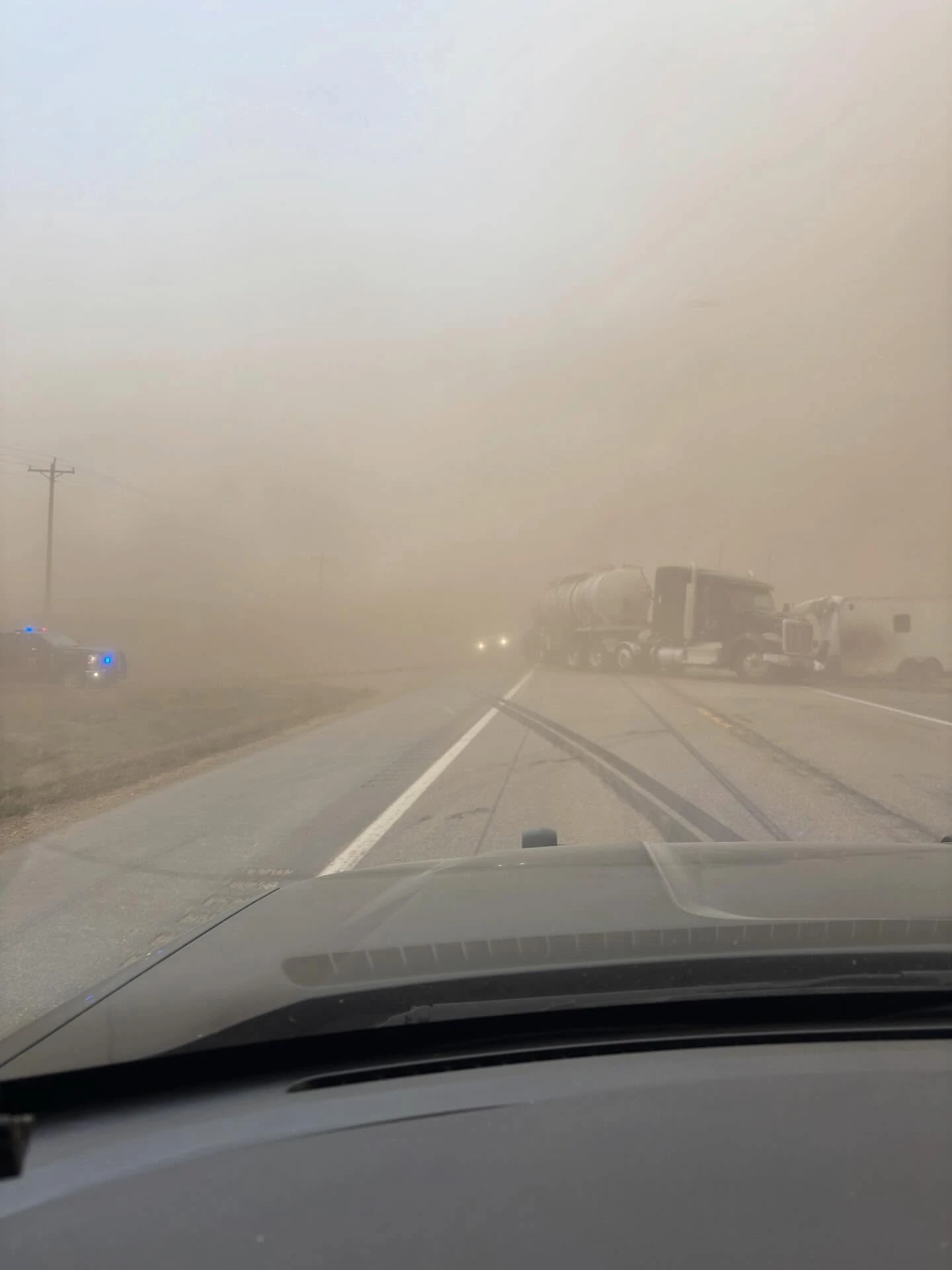
“Please slow down and avoid travel if possible due to conditions. We also strongly discourage pulling trailers or driving high-profile vehicles in these winds,” said NDHP.
Meanwhile, multiple grass fires were reported along the I-29 in Traill County, supported by the dry and windy conditions, producing smoke and reducing visibility in the area. However, all fires were brought under control by 21:52 local time (LT).

Rishav Kothari is Editor-in-Chief of The Watchers, where he runs the newsroom and covers earthquakes, volcanoes, severe weather and space weather.
Published in the last 24 hours
- In September 1859, a solar storm lit up the night sky so brightly that gold miners in the Rocky Mountains woke up after midnight and started cooking breakfast, convinced the aurora glowing over their camp was the sunrise Epicenter
- A patch of warm Pacific water that could become the strongest El Niño in more than 70 years sits thousands of miles from any American town, yet it is already the main reason NOAA expects a wetter winter across the South and a milder one across the North
- A 19-year-old Nebraska teacher reportedly tied her pupils together with twine and led them to safety through a blizzard in January 1888 Epicenter
- NASA built the Opportunity rover to last 90 days on Mars, and Martian winds helped keep it alive for nearly 15 years by blowing dust off its solar panels, until a planet-wide dust storm in 2018 blocked sunlight and silenced the rover Epicenter
