
Large swells batter Victoria and New South Wales over Easter weekend, leaving 5 dead and 2 missing
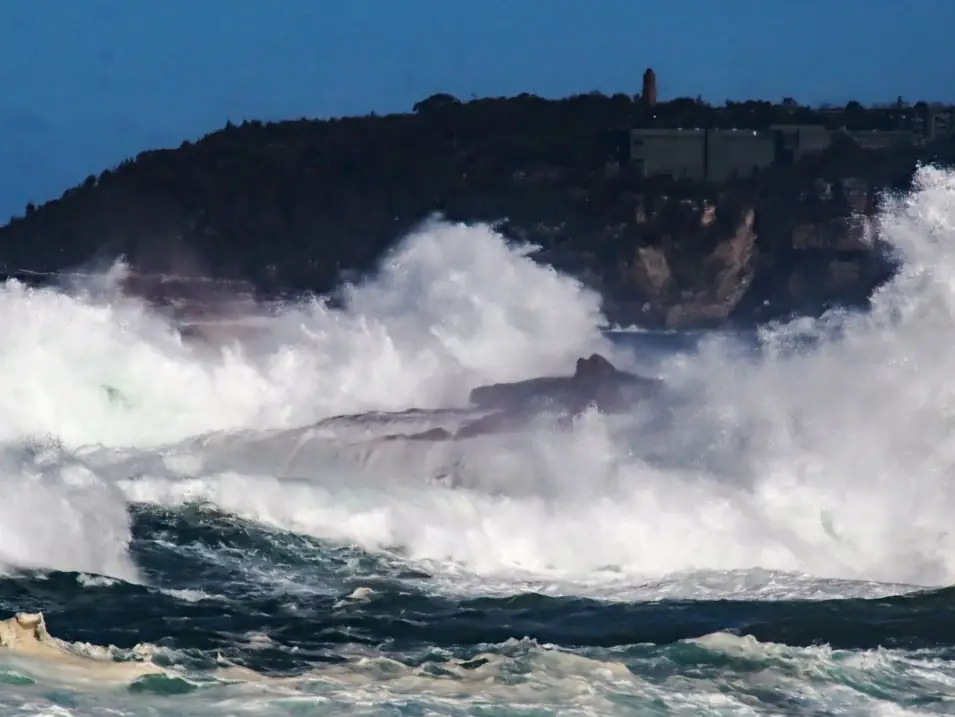
A powerful post-tropical low pressure system in the Tasman Sea generated large and hazardous surf along the east coast of Australia over the Easter weekend, leaving at least five people dead and two missing in New South Wales and Victoria.
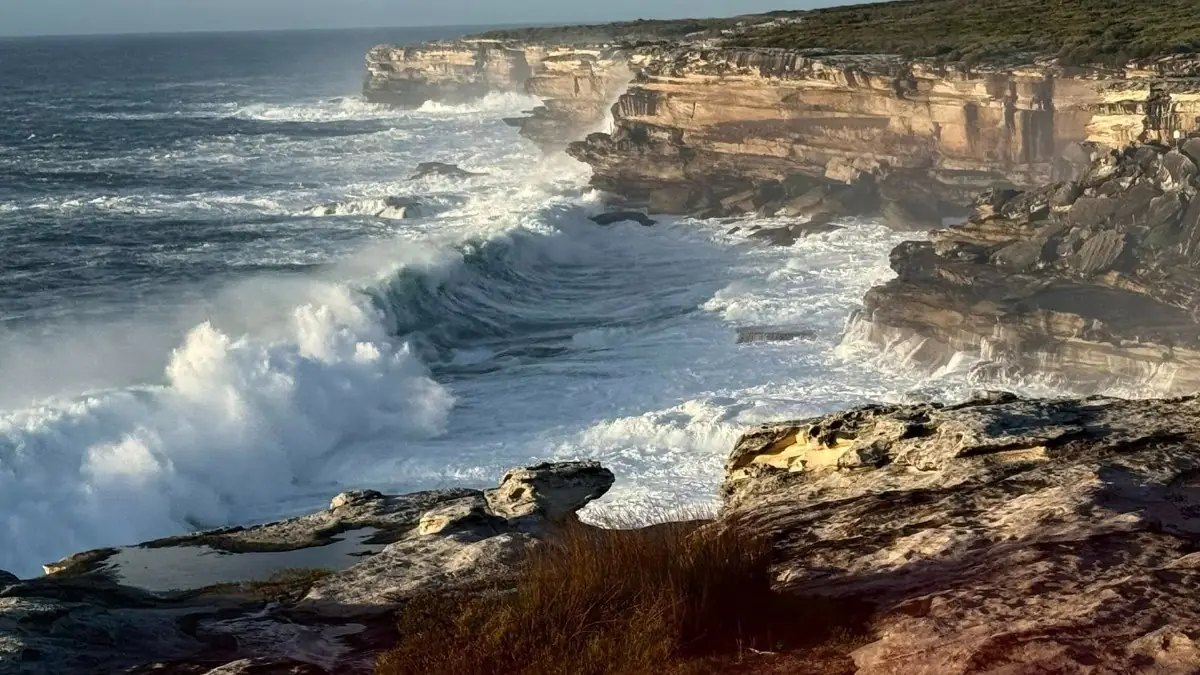
Swells batter Victoria and New South Wales over Easter weekend - April 2025. Image credit: BOM
Remnants of ex-Tropical Cyclone Tam produced large and hazardous surf along the east coast of Australia over the Easter weekend, leaving at least five people dead and two missing in New South Wales and Victoria.
The Bureau of Meteorology issued Hazardous Surf Warnings for parts of the south-east Queensland coast and much of the New South Wales coast, including the Byron, Coffs, Macquarie, Hunter, Sydney, Illawarra, Batemans, and Eden Coasts.
The latest fatality was a man swept into the sea on Saturday morning in Tathra, on the far south coast of New South Wales. Emergency services were called to Kianinny Bay near the Kangarutha Walking Track at about 08:15 local time (LT).
The body was found about three hours later. Police said the process of identification was ongoing, but they believed it was the body of the missing fisherman.
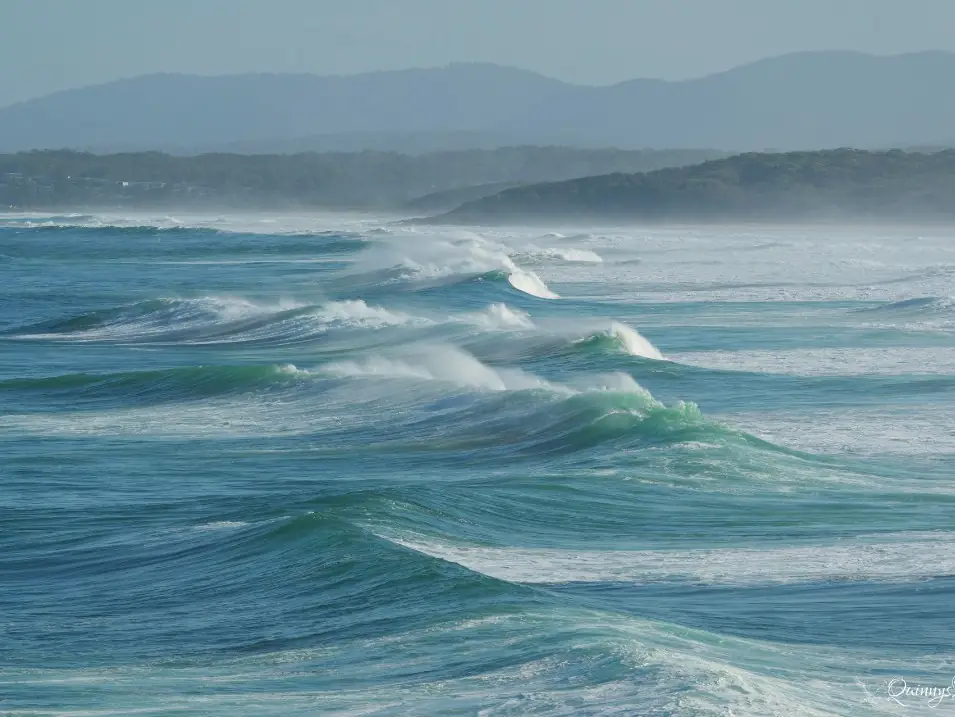
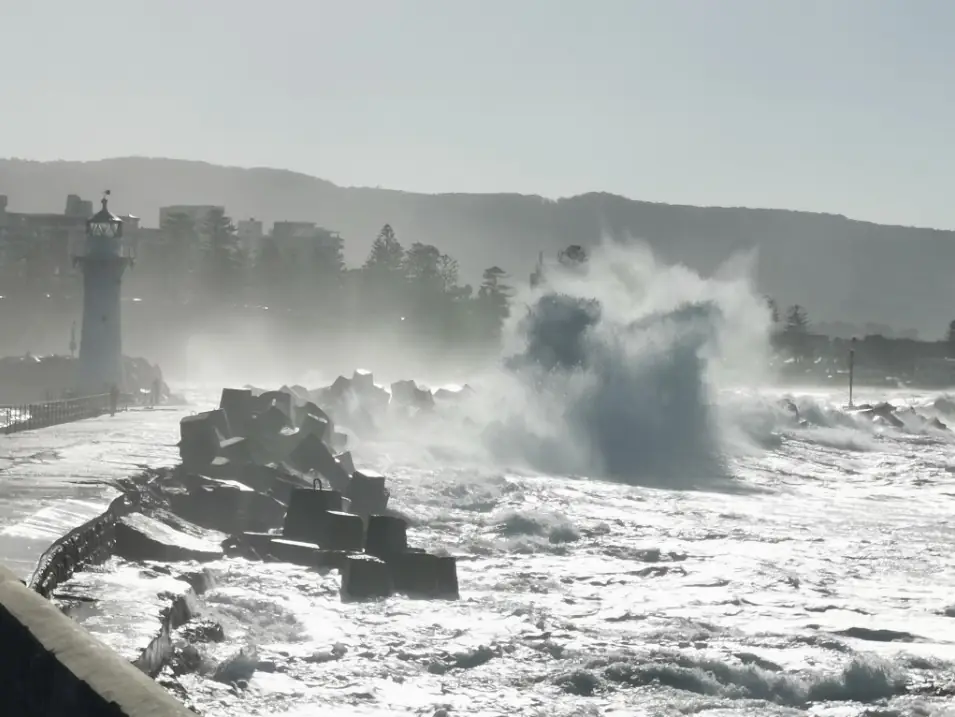
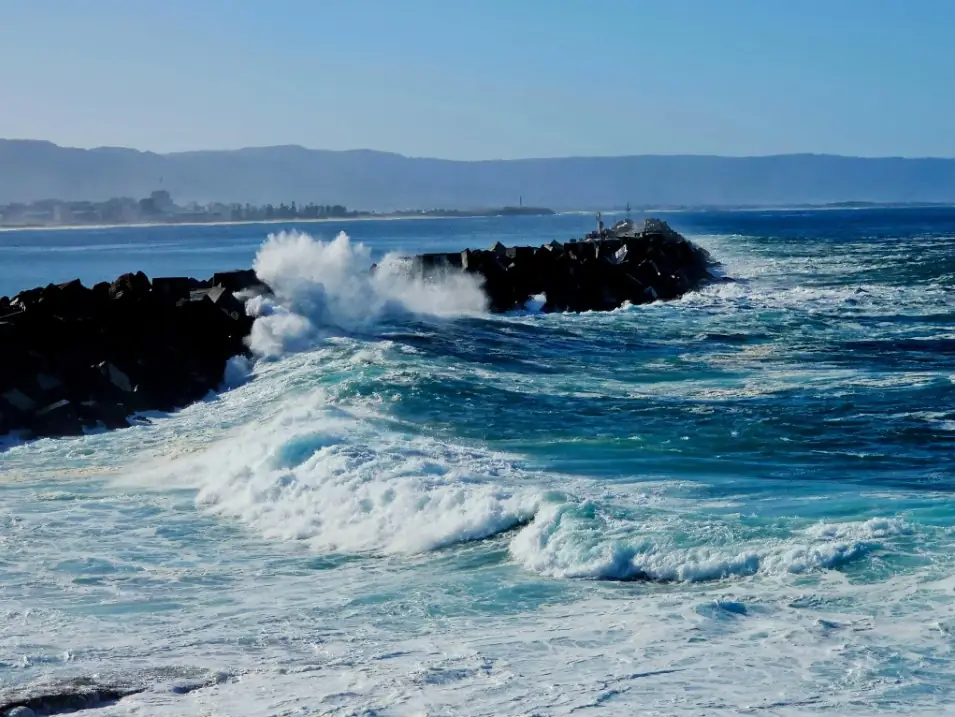
Three people were washed away by waves on a beach near San Remo, Victoria, on Friday, April 18. One woman managed to return to shore, another was found dead, and a man from the group remained missing as of Saturday morning.
In New South Wales, a 58-year-old fisherman died after being swept into Wollongong Harbour. Another man drowned at Mosman, on Sydney’s northern shore. A third body was recovered on Friday afternoon after a man was swept off rocks at Green Cape near Eden. This victim has not yet been formally identified.
Elsewhere, a 24-year-old man went missing after being washed into the sea by a large wave while walking on rocks with friends near Little Bay Beach in Sydney’s eastern suburbs. Emergency services were called to the scene at about 13:00 LT. A multi-agency search is expected to resume on Sunday.
Multiple beaches along the Australian east coast have been closed due to large swells. The head of the charity Surf Life Saving Australia, Adam Weir, advised holidaymakers to visit patrolled beaches after their data showed 630 people had drowned at unpatrolled beaches in the past 10 years.
Four people are now confirmed to have died, in a treacherous 48 hours along the state's coast.
— 9News Sydney (@9NewsSyd) April 19, 2025
Today, the search continued for a man swept away at Little Bay in Sydney's east, as his family anxiously watched. @WesternWilson9 #9News pic.twitter.com/cHk5A9CXIG
The swells were caused by ex-Tropical Cyclone Tam, which also brought widespread impacts to New Zealand over the Easter weekend.
After lashing parts of Vanuatu as a Category 2 tropical cyclone, Tam moved southeast and began affecting New Zealand’s South Island and lower North Island from Friday, April 18. The system delivered strong winds, heavy rain, and coastal flooding, prompting multiple weather alerts and causing power outages, road closures, and ferry service disruptions.
In Wellington, wind gusts exceeded 120 km/h (75 mph), downing trees and power lines. Flooding was reported in parts of the South Island’s West Coast and Canterbury regions, with emergency services responding to calls for assistance. The Interislander ferry service between the North and South Islands faced delays and cancellations due to rough sea conditions.

While Tam weakened into a post-tropical system, its interaction with an approaching front led to unstable conditions persisting into Sunday, with weather warnings issued in Wellington, Marlborough, Canterbury, and parts of the West Coast.

Rishav Kothari is Editor-in-Chief of The Watchers, where he runs the newsroom and covers earthquakes, volcanoes, severe weather and space weather.
Published in the last 24 hours
- In April 2014, golden-winged warblers in the mountains of Tennessee, songbirds weighing about as much as four dimes, fled their breeding grounds a day or two before a tornado outbreak and flew hundreds of miles south, while the scientists tracking them sheltered in a Waffle House Epicenter
- After record Nordic heatwave, Swedish researchers to recreate indoor heat to study older adults Epicenter
- San Juan River cuts through 300-million-year-old rocks while retaining its winding course in Utah Epicenter
- Britain appointed a Minister for Drought in August 1976, and it rained so much afterward that by November MPs were calling him the Minister of Flood Epicenter
