
Increased ash emissions at Nishinoshima volcano, Japan
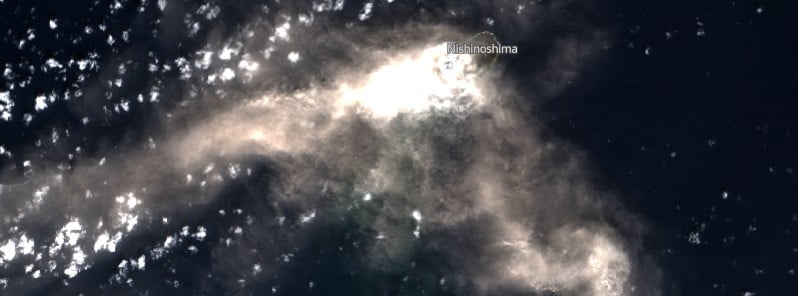
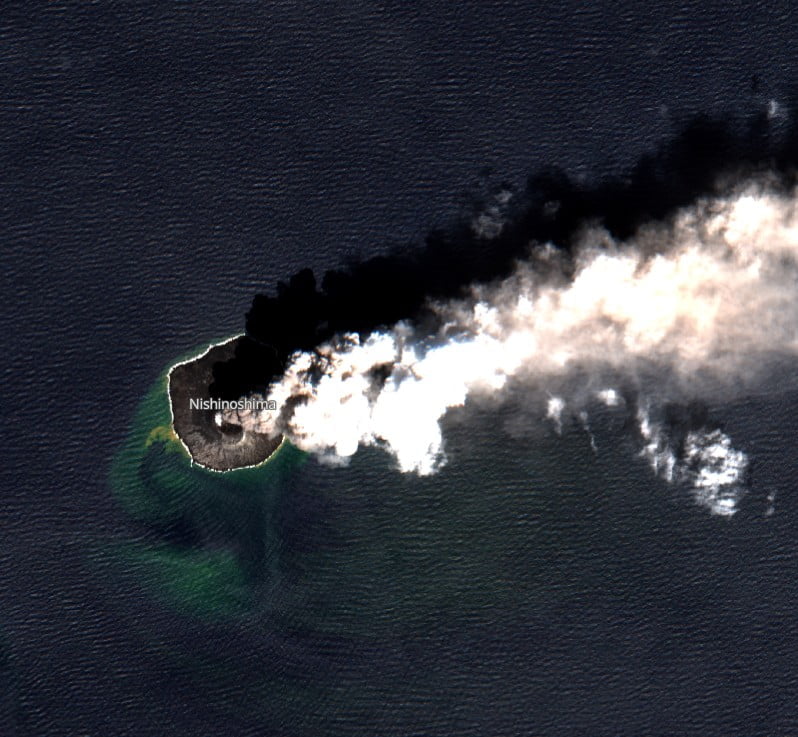
Featured image: Nishinoshima volcano on October 3, 2022. Credit: Copernicus EU/Sentinel-2, EO Browser, The Watchers
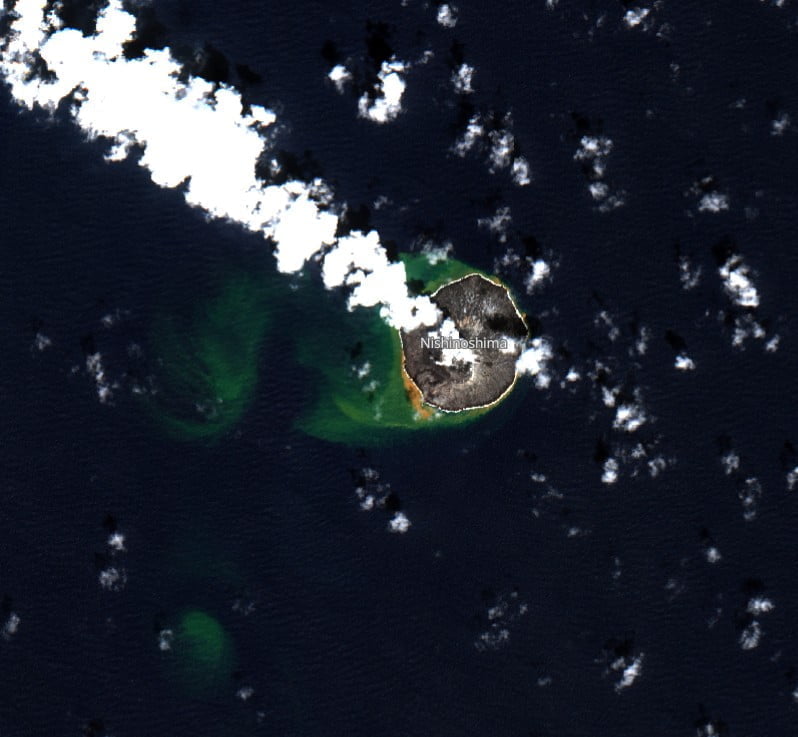
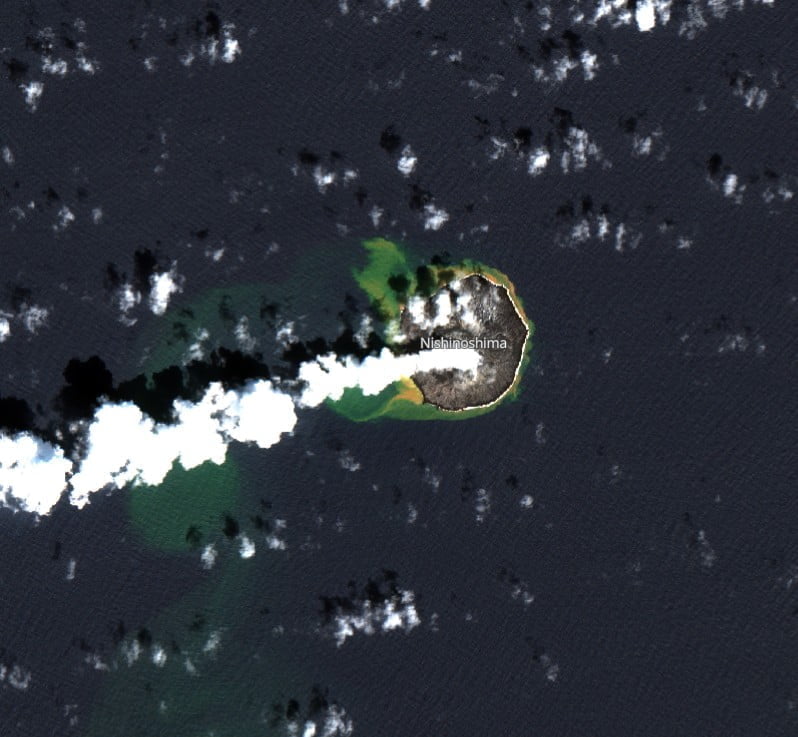
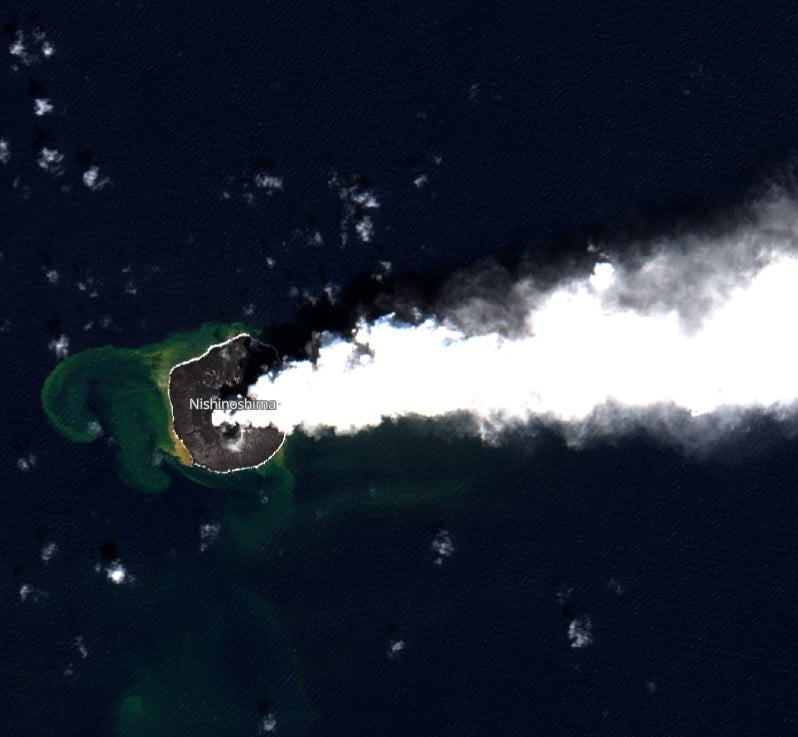
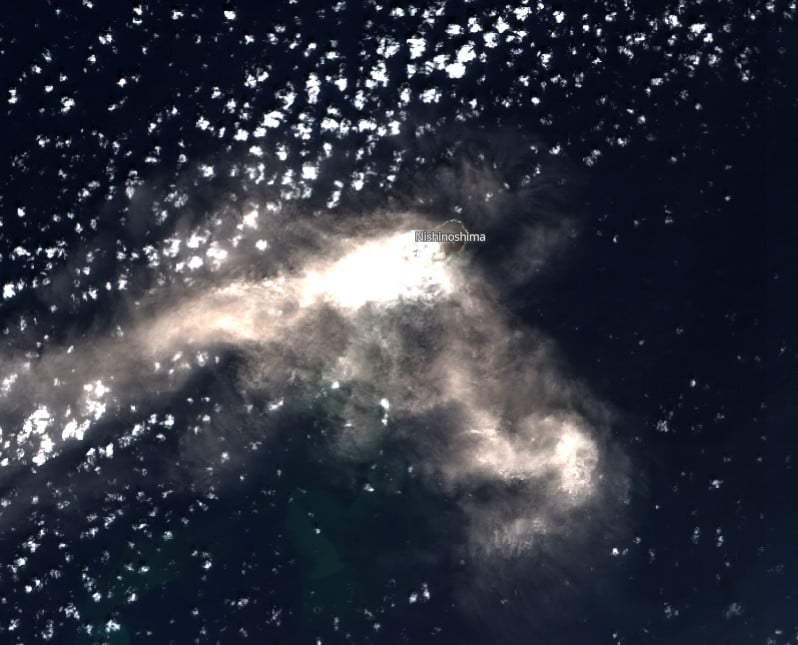
Ash emissions at Nishinoshima volcano, Japan increased on October 2 and 3, 2022, after more than 12 months of relative quiescence.
The volcano was relatively quiet over the past 12 months, with only venting or no activity since August 2021. A series of powerful eruptions were recorded in August 2020.1
Tokyo VAAC reported first venting on October 1, with ash rising up to 1.8 km (6 000 feet) above sea level at 01:40 UTC, drifting E.2 However, satellites observed an increase in activity since September 23.
Emissions continued into October 2, when a brief pause was registered. The activity increased again by the end of the day.
At 11:20 UTC on October 3, ash emissions were seen rising up to 2.1 km (7 000 feet) a.s.l.
Geological summary
The small island of Nishinoshima was enlarged when several new islands coalesced during an eruption in 1973-74. Another eruption that began offshore in 2013 completely covered the previously exposed surface and enlarged the island again. Water discoloration has been observed on several occasions since.
The island is the summit of a massive submarine volcano that has prominent satellitic peaks to the S, W, and NE. The summit of the southern cone rises to within 214 m (702 feet) of the sea surface 9 km (5.6 miles) SSE.3
References:
1 Series of powerful eruptions at Nishinoshima volcano, Japan – The Watchers – August 4, 2022
2 Volcanic ash advisories issued by Tokyo VAAC on October 1, 2 and 3, 2022
3 Nishinoshima – Geological summary -GVP

I'm a dedicated researcher, journalist, and editor at The Watchers. With over 20 years of experience in the media industry, I specialize in hard science news, focusing on extreme weather, seismic and volcanic activity, space weather, and astronomy, including near-Earth objects and planetary defense strategies. You can reach me at teo /at/ watchers.news.

Commenting rules and guidelines
We value the thoughts and opinions of our readers and welcome healthy discussions on our website. In order to maintain a respectful and positive community, we ask that all commenters follow these rules.