
Volcanic alert level for Kusatsu-Shiranesan’s Yugama crater raised to 2, Japan
Volcanic alert level at Kusatsu-Shiranesan’s Yugama crater, Japan was raised to Level 2 at 05:50 LT on August 4, 2025, following increased seismic activity and minor ground deformation since June.

Satellite image of Kusatsu-Shiranesan, Japan on June 28, 2025. Credit: Copernicus EU/Sentinel-2, The Watchers
The Japan Meteorological Agency (JMA) raised the volcanic alert level for the Yugama crater of Kusatsu-Shiranesan volcano from Level 1 to Level 2 (restriction on proximity to the crater) at 05:50 LT on August 4.
The decision followed an increase in volcanic earthquakes, low-level tremor, and signs of minor ground deformation recorded since June.
An increase in volcanic earthquakes was first detected around 15:00 LT on August 3, with epicenters located near the Yugama crater. A low-amplitude, short-duration seismic tremor was also recorded at 08:50 LT (23:50 UTC) on August 2, the first such tremor since November 12, 2020.
Ground deformation data indicated minor uplift in the northwest sector of the Yugama crater since June 2024.
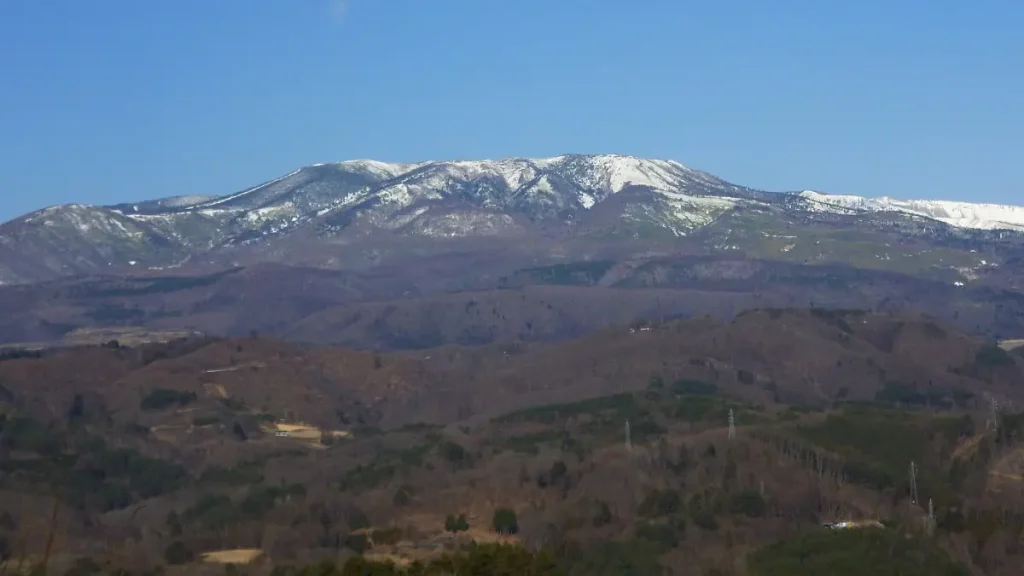
The Level 2 alert advises the public to refrain from approaching the crater and identifies danger zones within Gunma Prefecture, including Kusatsu Town and Tsumagoi Village.
According to JMA’s alert system, Level 2 corresponds to “restriction on proximity to the crater,” whereas Level 1 signals potential for increased activity without direct restrictions.
Yugama is a highly acidic crater lake at Kusatsu-Shiranesan volcano, part of a complex system of overlapping cones and crater lakes situated immediately north of Asama volcano. The complex is andesitic-to-dacitic in composition and formed through three eruptive stages beginning in the early to mid-Pleistocene.
The last eruption at this volcano took place on January 23, 2018 (VEI 1).
Historical eruptions at the site have primarily been phreatic, often occurring near crater lakes. Persistent fumarolic activity and acidified hot springs have chemically altered river systems draining from the volcano.

I'm a dedicated researcher, journalist, and editor at The Watchers. With over 20 years of experience in the media industry, I specialize in hard science news, focusing on extreme weather, seismic and volcanic activity, space weather, and astronomy, including near-Earth objects and planetary defense strategies. You can reach me at teo /at/ watchers.news.

Commenting rules and guidelines
We value the thoughts and opinions of our readers and welcome healthy discussions on our website. In order to maintain a respectful and positive community, we ask that all commenters follow these rules.