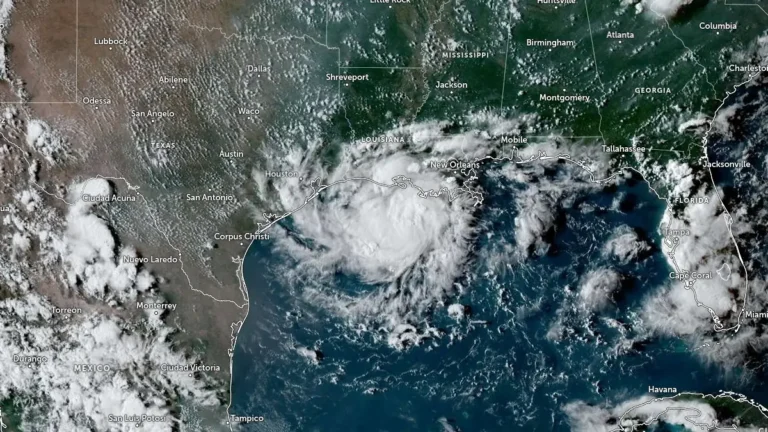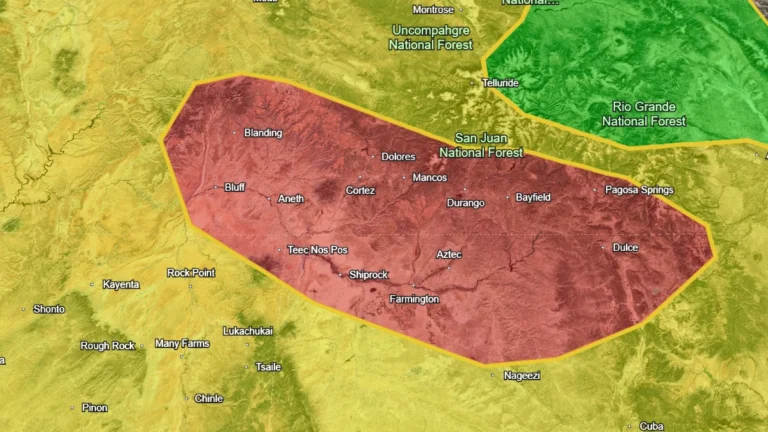
• Flood watches cover the Southwest ahead of a Four Corners heavy-rainfall event, U.S.

    Flood Watches are in effect across parts of Arizona, New Mexico, Utah and Colorado as successive Pacific moisture surges raise the flash-flood threat through early November 2, 2026. The Weather Prediction Center (WPC) has placed the Four Corners under a Moderate Risk of excessive rainfall for November 1, when it expects a high-impact heavy rainfall event over saturated ground.
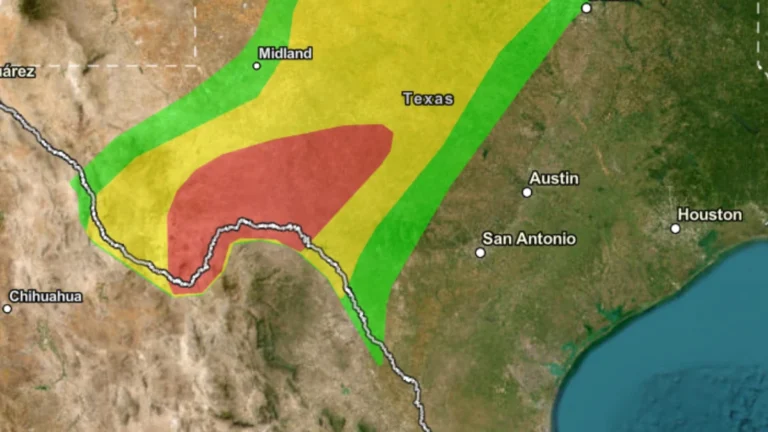
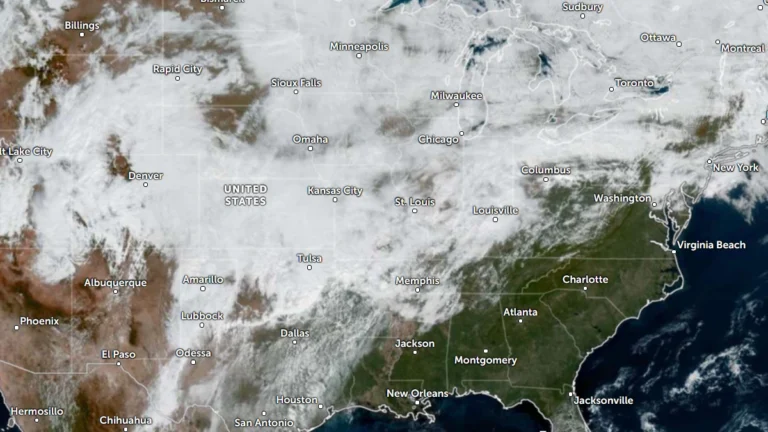
  • Moderate Risk of excessive rainfall issued for parts of West Texas as flooding continues, U.S.

    Heavy rainfall caused flash flooding across parts of West Texas on October 15, 2026, after totals exceeded 127 mm (5 inches) in some areas. The NOAA Weather Prediction Center (WPC) maintained a Moderate Risk of excessive rainfall over portions of West Texas through 12:00 UTC on October 16 as additional thunderstorms and flooding remained possible.

  • Life-threatening flash flooding reported across Oklahoma City, major flooding forecast on Canadian River

    Life-threatening flash flooding was reported across the Oklahoma City metropolitan area on October 14 after thunderstorms produced 76–152 mm (3–6 inches) of rain, while radar indicated 102–279 mm (4–11 inches) farther west, according to the National Weather Service (NWS) in Norman. Major flooding was forecast on the Canadian River near Bridgeport, while the Weather Prediction Center (WPC) maintained a Moderate Risk of excessive rainfall from Oklahoma into the Red River Valley of Texas through 12:00 UTC on October 15.

  • NOAA forecasts moderate to high respiratory irritation risk from red tide in Galveston County, Texas

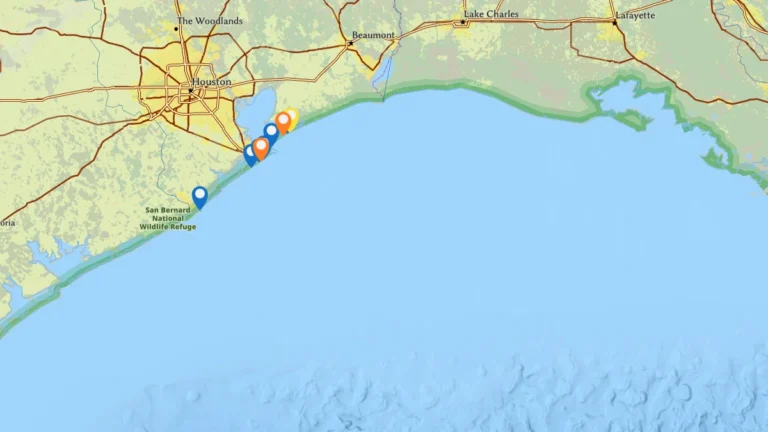
    A Karenia brevis red tide bloom is affecting parts of Galveston County, Texas, on September 16, 2026, after state biologists confirmed moderate to high cell concentrations, fish kills and respiratory irritation along the coast. NOAA forecasts a moderate to high risk of respiratory irritation at some beaches on Galveston Island and Bolivar Peninsula as the bloom continues.

  • Heat Advisories span 12 states from Texas to Indiana, heat index up to 46°C (114°F) forecast

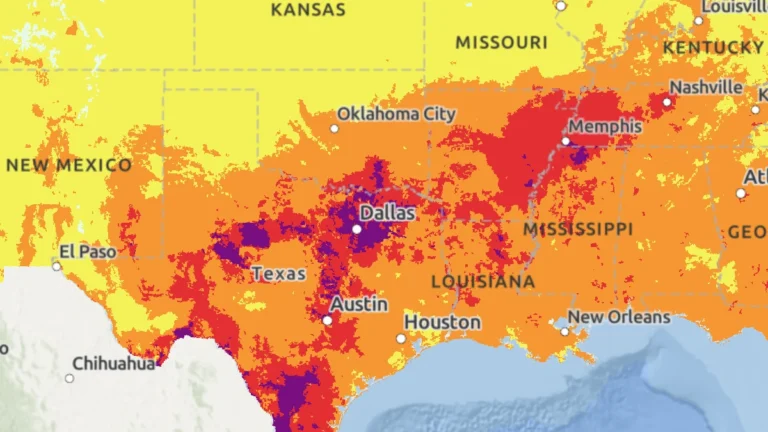
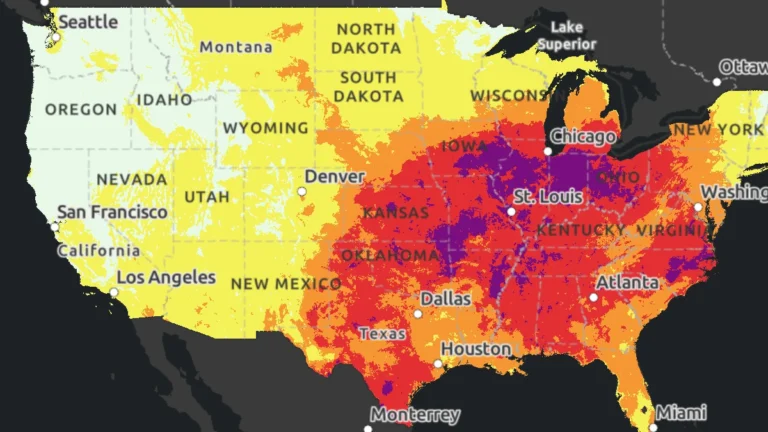
    Heat Advisories issued by 16 National Weather Service (NWS) forecast offices cover portions of 12 U.S. states from September 14 through September 16, 2026, with heat index values forecast to reach 46°C (114°F) in southern Texas. The advisories extend from Texas and Oklahoma through the Lower Mississippi Valley and Mid-South into Indiana and Kentucky.

  • Advisories issued as dangerous heat persists from Texas to lower Mississippi Valley

    The National Weather Service (NWS) issued Heat Advisories for parts of Arkansas, northern Mississippi and western Tennessee from 11:00 to 20:00 CDT on September 10, 2026 (16:00 UTC on September 10 to 01:00 UTC on September 11). Heat-index values could reach approximately 43°C (109°F) in central, eastern and southeastern Arkansas and 42°C (107°F) elsewhere in the Mid-South. Farther west, temperatures near 38°C (100°F) are forecast in parts of North Texas as dangerous late-summer heat persists across the southern United States.

  • Extreme Heat Warnings and Heat Advisories issued from the Central Plains to the Southwest U.S.

    Extreme Heat Warnings and Heat Advisories were issued across parts of the central and southern United States, the Southwest and California on September 8, 2026. The National Weather Service (NWS) forecast heat index values up to 44°C (112°F) in parts of Arkansas and Oklahoma and temperatures up to 47°C (116°F) in Death Valley and the Colorado River Valley, with several western alerts continuing through September 11.

  • Heat indices of over 43°C (110°F) forecast in South Texas as prolonged heat wave shifts south

    A long-duration heat wave affecting the central and eastern United States is forecast to shift its most intense conditions into the south-central states this weekend and early next week, according to the Weather Prediction Center (WPC). High humidity and very warm nights are expected to contribute to widespread Major to Extreme HeatRisk, with heat indices potentially exceeding 43.3°C (110°F) in South Texas.

  • Edouard weakens to tropical depression over Texas, WPC warns of significant flash flooding

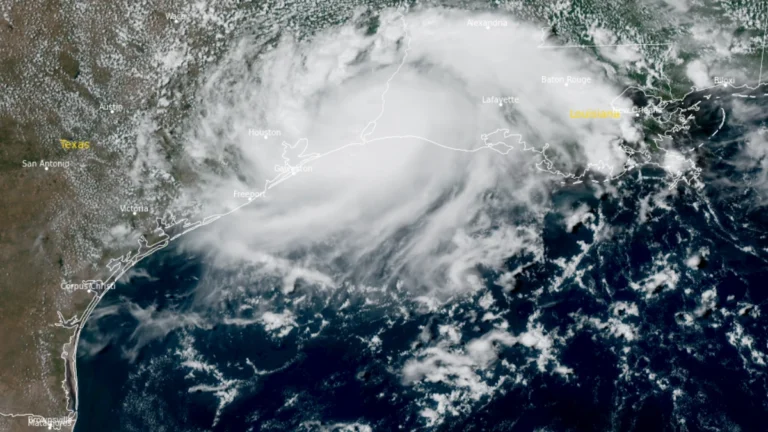
    Tropical Storm Edouard made landfall near Johnson Bayou, Louisiana, at 14:20 CDT (19:20 UTC) on September 1 with winds of 95 km/h (60 mph), then weakened to a tropical depression over southeastern Texas. The Weather Prediction Center forecast storm-total rainfall of 102–203 mm (4–8 inches), with localized totals near 305 mm (12 inches), while Flood Watches remained in effect and approximately 70 000 Entergy Texas customers were without power late September 1.

  • Tropical Storm Edouard strengthens in northern Gulf, Hurricane Watch issued for Texas and Louisiana

    Tropical Storm Edouard was strengthening over the northern Gulf early on September 1, 2026, after Tropical Depression Five became a named storm at 00:00 UTC. The National Hurricane Center (NHC) issued a Hurricane Watch and Storm Surge Warning for portions of the Upper Texas and southwestern Louisiana coasts at 03:00 UTC, warning that Edouard could approach hurricane strength before reaching the northwestern Gulf Coast later on September 1.