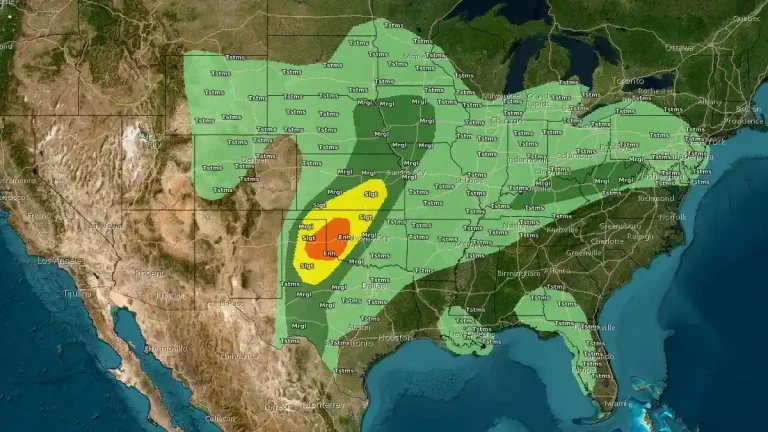
• SPC issues Enhanced Risk for severe storms with large hail and tornado potential across Texas-Oklahoma-Kansas

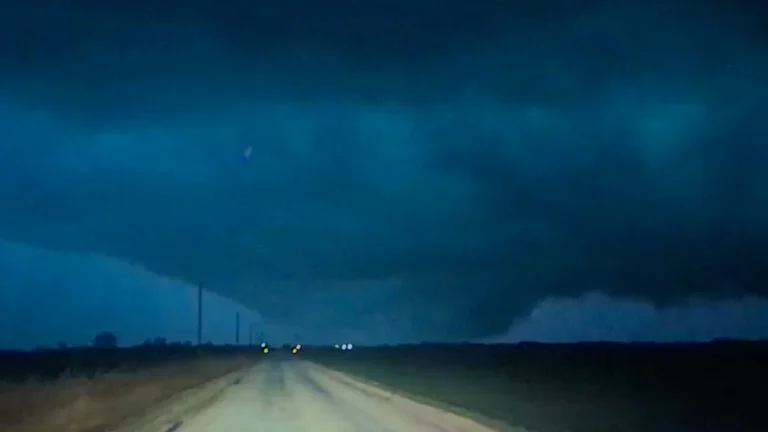
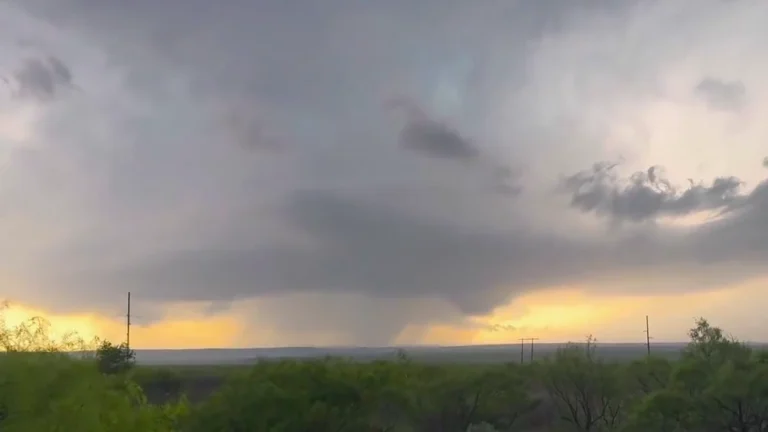
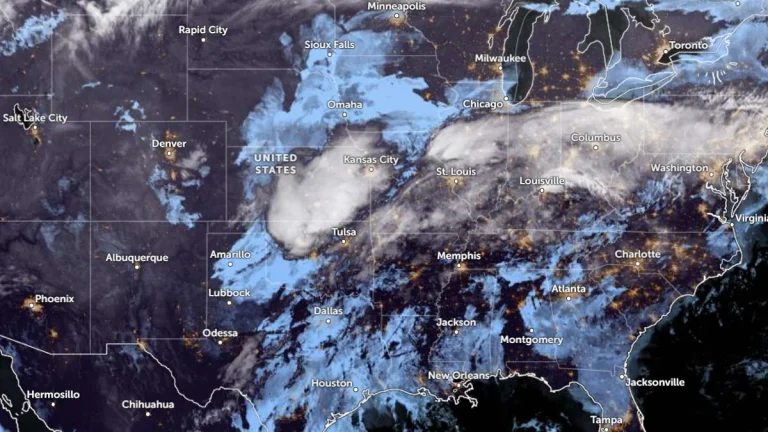
    Severe thunderstorms capable of producing very large hail, damaging winds, and a few tornadoes are forecast to develop across the Texas Panhandle, western Oklahoma, and southern Kansas late on March 5, 2026. The National Weather Service (NWS) Storm Prediction Center (SPC) has issued an Enhanced Risk for the region as atmospheric conditions become favorable for supercell development along a dryline during the late afternoon and evening.

  • Record rainfall hits Dallas–Fort Worth as storms flood highways across North Texas

    Record rainfall struck Dallas–Fort Worth, Texas, on March 4, 2026, when Dallas–Fort Worth International Airport recorded 39.4 mm (1.55 inches) of rain, breaking the previous daily record of 32.3 mm (1.27 inches) set in 1937. The storms flooded highways across North Texas, caused the collapse of a commercial building roof on Kingsley Road, and triggered a lightning-caused house fire in Fort Worth.

  • Winter weather impacts Appalachians and Mid-Atlantic while severe storm risk expands across parts of Oklahoma and Kansas

    A lifting frontal boundary draped from the southern Plains to the Mid-Atlantic is producing a swath of mixed winter precipitation across the Ohio and Tennessee Valleys on March 2, 2026, while setting the stage for isolated severe thunderstorms in Oklahoma and Kansas on March 3. Winter weather advisories are in effect from Indiana to Pennsylvania, with ice accretion possible across the higher terrain of the Appalachians, according to the Weather Prediction Center.

  • Wildfires trigger Agricultural Emergency as Texas activates expanded state response ahead of critical fire danger

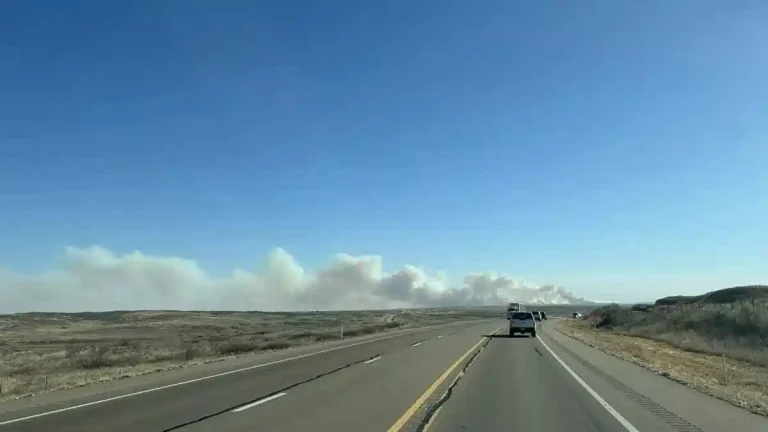
    Wildfires burning across the Texas Panhandle and West Texas prompted Agriculture Commissioner Sid Miller to declare an Agricultural Emergency on February 18, 2026, while Governor Greg Abbott directed the Texas Division of Emergency Management to activate additional state wildfire response resources ahead of elevated-to-critical fire weather conditions across South, West, and Northwest Texas. Extremely critical fire danger continues across portions of the state as dry fuels and periodic wind gusts persist.

  • At least 9 tornadoes reported across Texas, Louisiana and Mississippi, five confirmed EF-1

    Multiple tornadoes touched down across parts of the Southern Plains and the Southeast overnight on February 14, 2026. These include at least five EF-1 tornadoes that have been confirmed in Mississippi and Texas, along with others reported in Louisiana. The twisters were the result of a storm system that brought significant rainfall, localized flash floods, and widespread wind damage to the region over the Valentine’s weekend.

  • Heavy rainfall and severe storms forecast from Texas to the Carolinas this Valentine’s weekend

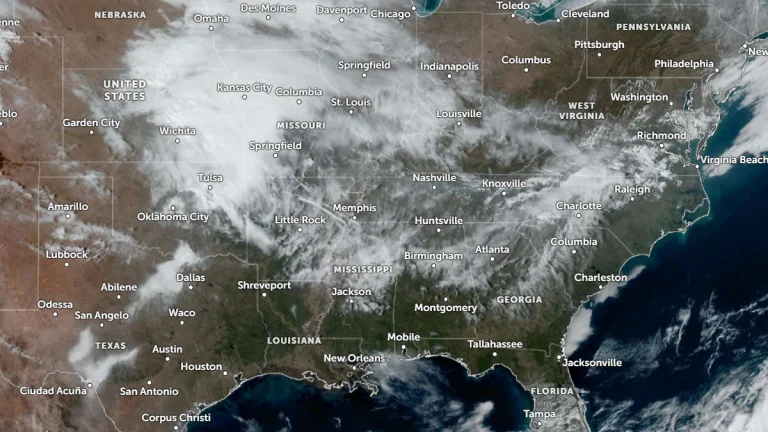
    A storm moving from the Southern Plains into the Southeast will generate widespread showers, locally heavy rainfall, and severe thunderstorms across the southern and eastern United States through February 16, 2026. Slight Risk areas for Severe Thunderstorms and Excessive Rainfall extend from east Texas into the lower Mississippi Valley, with additional Marginal Risk areas across the Southeast and Mid-Atlantic.

  • Cross-country storm to bring heavy rain to the South and snow to the West and Great Lakes

    An atmospheric river affecting California on February 11, 2026, is forecast to evolve into a cross-country storm moving across the southern U.S. through February 13–14, 2026. Widespread rainfall totals of 25 to 75 mm (1–3 inches), with locally higher amounts, are possible across Texas to Georgia. Heavy snow is ongoing in the Sierra Nevada, with additional accumulations expected in the Wasatch and central Rockies.

  • Over 100 fatalities confirmed after major January 2026 U.S. winter storm

    Up to 115 fatalities have been reported across more than 20 states in the U.S. after a historic winter storm swept through the eastern two-thirds of the country between January 24 and 26, 2026. The storm is now the deadliest since the 2021 Texas power crisis, when multiple storms claimed nearly 250 lives across the country, and has surpassed the death toll of the 2022 Buffalo Blizzard of the Century.