• Tropical Storm and Storm Surge watches expanded from Florida to Louisiana as Gulf depression strengthens

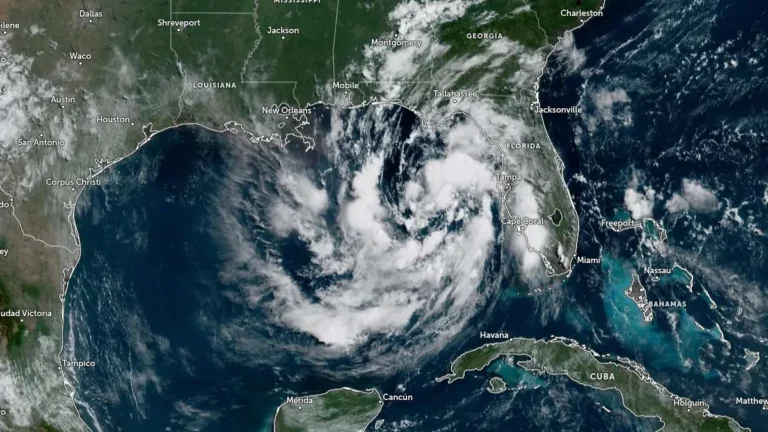
    Tropical Depression Two became better organized over the northeastern Gulf of Mexico on July 20, 2026, prompting the National Hurricane Center (NHC) to expand the Tropical Storm Watch from the Florida Panhandle westward to southeastern Louisiana and issue a Storm Surge Watch for parts of the northern Gulf Coast. The depression had maximum sustained winds of 55 km/h (35 mph) at 15:00 UTC and is expected to become a tropical storm later today, followed by gradual strengthening through Tuesday.

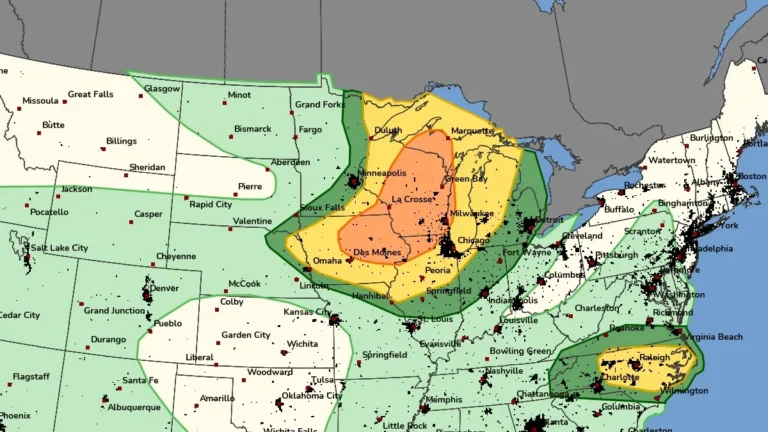
  • Enhanced risk of severe thunderstorms issued for parts of the Northeast, Mid-Atlantic, and Lower Great Lakes on July 18

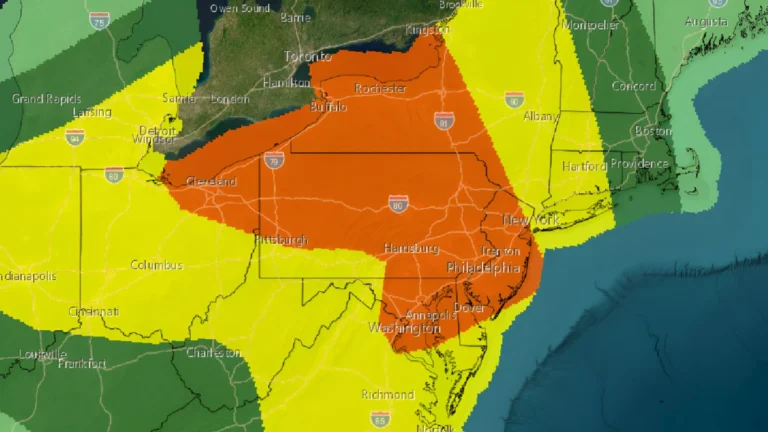
    An enhanced risk of severe thunderstorms has been issued for portions of the Northeast, Mid-Atlantic, and Lower Great Lakes on Saturday, July 18, 2026, as an unusually strong upper-level storm system brings the threat of widespread damaging winds, large hail, and several tornadoes through the afternoon and evening.

  • Severe thunderstorms kill 2, leave 53 000 without power in France

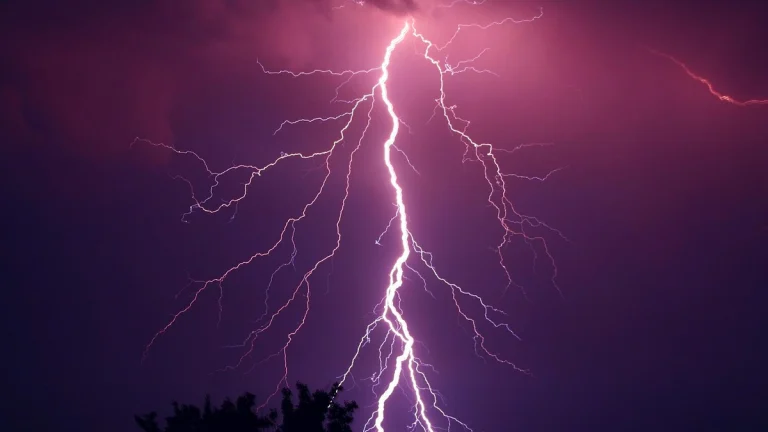
    Severe thunderstorms swept across France overnight into Friday, July 17, 2026, killing two people and leaving around 53 000 households without electricity. The storms brought strong winds, large hail and intense lightning to several regions of the country.

  • Two killed and 230 rescued as catastrophic flash floods strike Texas

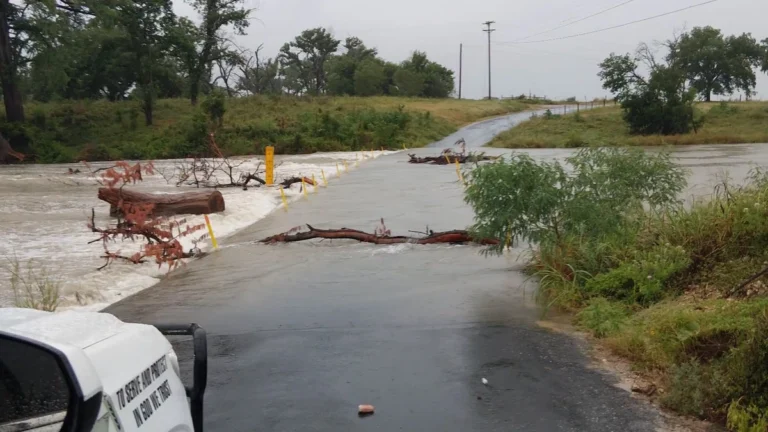
    At least two people were killed and 230 rescued after repeated thunderstorms produced catastrophic flash flooding across the Texas Hill Country and south-central Texas on July 16, 2026. Up to 711 mm (28 inches) of rain fell in northern Uvalde County over three days, while the Guadalupe River at Comfort rose more than 9 m (30 feet) in under three hours and crested near 11.3 m (37 feet). Texas deployed more than 2 350 emergency responders and over 1 400 response assets as flood waves moved through several river basins.

  • Large Guadalupe River flood wave prompts Flash Flood Emergency after confirmed EF1 tornado in San Antonio, Texas

    A large flood wave moved downstream along the Guadalupe River through the Texas Hill Country on July 16, 2026, prompting a Flash Flood Emergency from Center Point to Bergheim as emergency crews expanded rescues across south-central and western Texas. The event followed a preliminary EF1 tornado confirmed in northwest San Antonio on July 15, but the main active hazard had shifted to life-threatening flash flooding across the Guadalupe basin and Uvalde County.

  • Tropical Storm Elida forms off Mexico, forecast to intensify into a hurricane

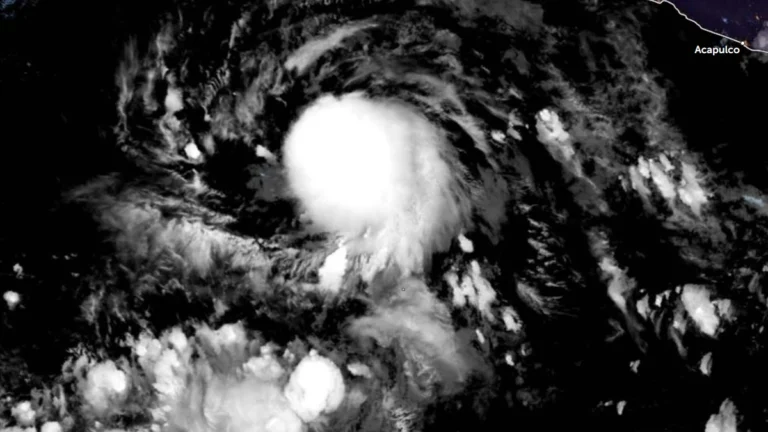
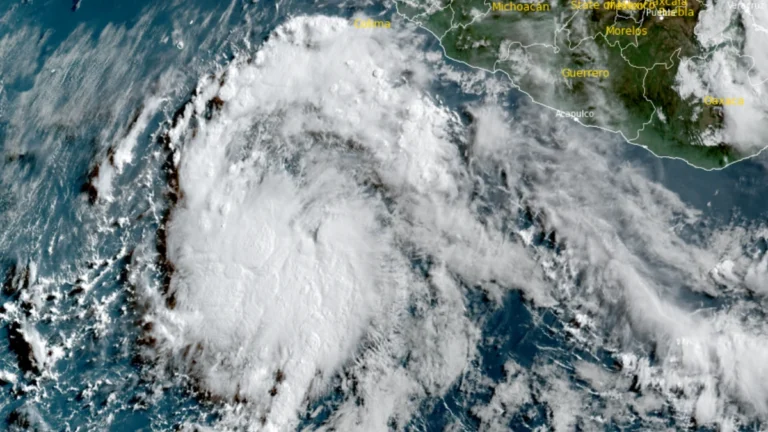
    Tropical Depression Five-E formed over the eastern Pacific Ocean south of Baja California, Mexico, on July 14, 2026, and intensified into Tropical Storm Elida at 09:00 UTC on July 15. The National Hurricane Center (NHC) said the system is forecast to steadily strengthen over the next several days and become a hurricane by the night of July 16, with peak winds expected to reach 161 km/h (100 mph) by July 17.

  • Texas flash flooding prompts water rescues near Uvalde, tornado reported in San Antonio

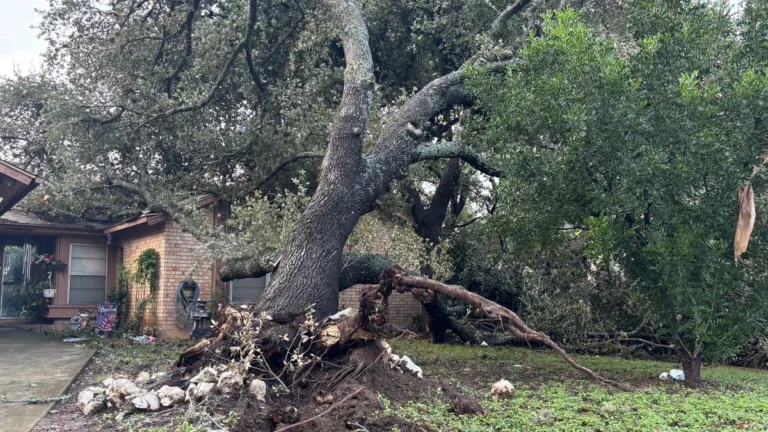
    High-water rescues, road closures, and shelter operations were reported across parts of South-Central Texas on July 14, 2026, after heavy rain produced flash flooding west of San Antonio. Governor Greg Abbott issued a disaster declaration for 59 counties, and the National Weather Service (NWS) warned that dangerous flash-flood conditions would continue across affected areas through the end of the week.

  • NHC designates 100% chance of cyclone formation for EP96

    The National Hurricane Center (NHC) assigned a 100% probability of tropical cyclone formation within the next seven days to disturbance EP96 at 05:00 PDT (12:00 UTC) on July 14, 2026, while raising the 48-hour probability to 90%. A low-pressure circulation with an estimated minimum central pressure of 1 007 hPa had already developed by 08:00 PDT (15:00 UTC), and a tropical depression or tropical storm is expected to form later on July 14 as the system moves west-northwest offshore of southwestern Mexico