• Enhanced Risk of severe thunderstorms issued for northern New York and New England

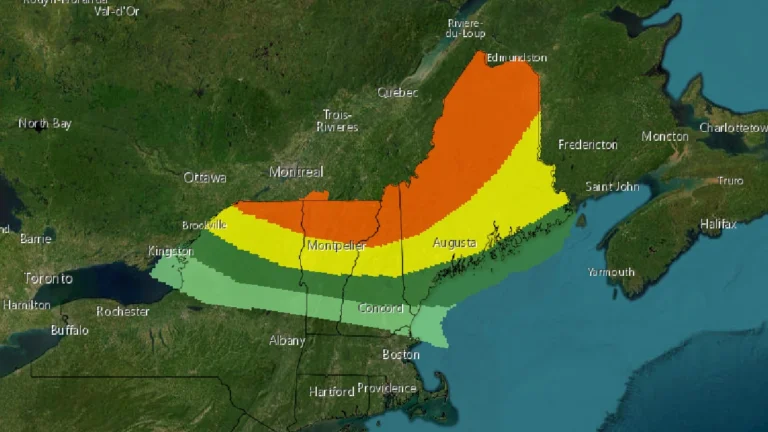
    The Storm Prediction Center (SPC) has placed parts of the New England region under an Enhanced Risk (Level 3 of 5) for severe thunderstorms on Tuesday, July 14, 2026. The greatest threat covers northern New York and northern New England, where thunderstorms are expected to produce widespread damaging wind gusts, large hail, and a few tornadoes. Forecasters also say that one or two strong tornadoes are possible if conditions develop as expected.
  • Moderate Risk of excessive rainfall issued, life-threatening flash floods forecast for south-central Texas

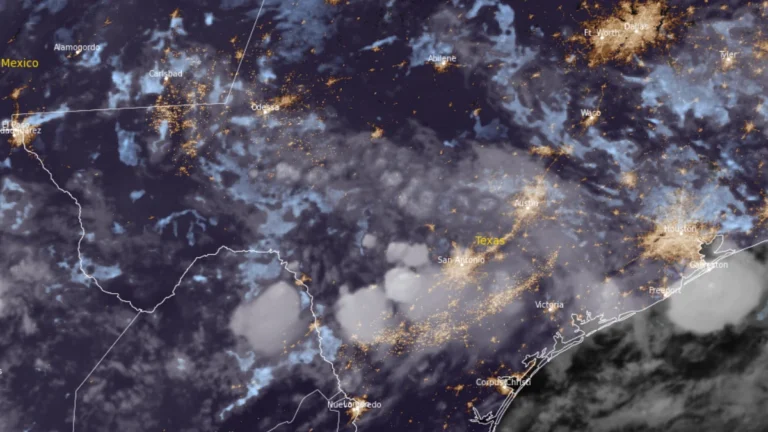
    A Moderate Risk (Level 3 of 4) of excessive rainfall is in effect for parts of south-central Texas through Tuesday morning, July 14, 2026. Repeated thunderstorms threaten are expected to produce life-threatening flash flooding across portions of southwest Texas. Forecast guidance shows a greater than 70% chance of rainfall exceeding 76 mm (3 inches) and a more than 50% chance of totals above 127 mm (5 inches) within the Moderate Risk area, while the National Water Center (NWC) expects considerable flooding impacts to last through Thursday, July 16

  • Dust storm reduces visibility to near zero across Phoenix and central Arizona

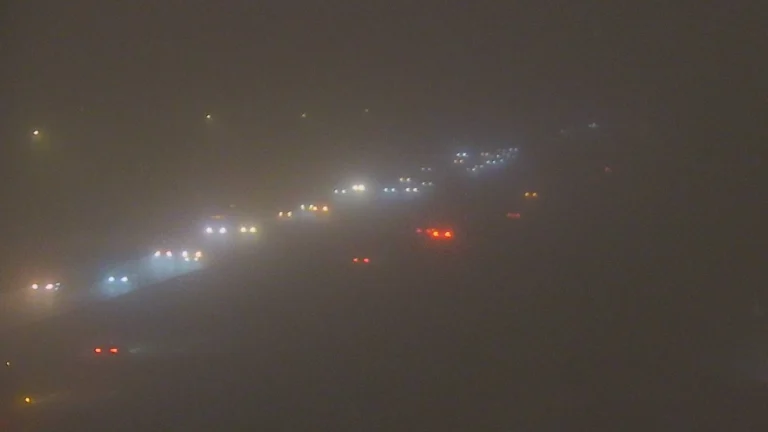
    A massive dust storm swept across Phoenix and parts of Arizona through Saturday and Sunday, July 11 and 12, 2026. Near zero visibility conditions were reported along the I-10, I-70, and the U.S. 60, creating life threatening travel conditions. The National Weather Service (NWS) issued multiple Dust Storm Warnings and severe weather alerts as winds of up to 64 km/h (40 mph) drove the wall of dust across central Arizona.

  • 20 reported dead, 16 missing as Bavi-enhanced monsoon triggers floods and landslides, Philippines

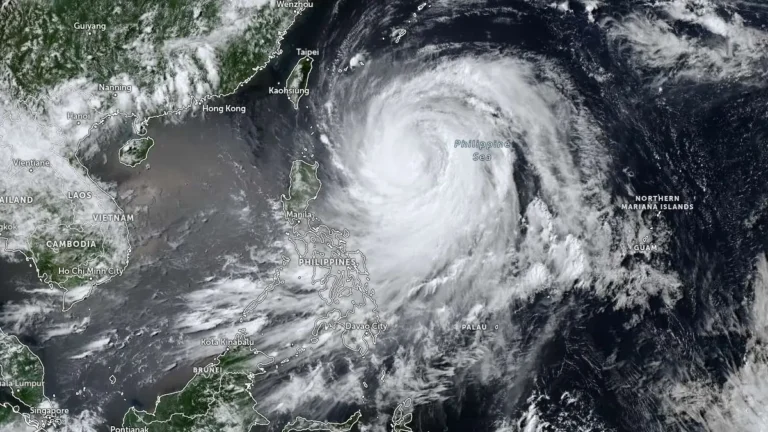
    The combined effects of Typhoon Bavi, locally named Inday, and the enhanced southwest monsoon left 20 people reported dead and 16 missing across the Philippines as of 08:00 LT (00:00 UTC) on Monday, July 13, 2026, while the National Disaster Risk Reduction and Management Council (NDRRMC) continued validating most casualty reports. About 654 000 people were affected nationwide, with flooding, landslides, damaged houses, disrupted roads, bridges and seaports, and about 20 100 people in evacuation centers.

  • Severe floods hit eastern and northern China after Typhoon Bavi’s double landfall

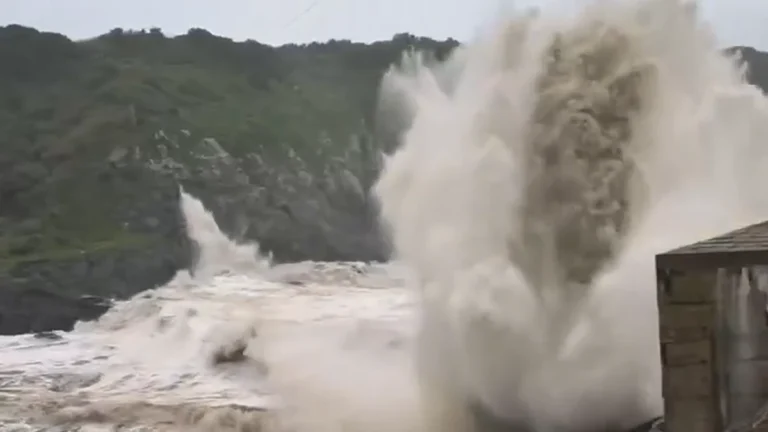
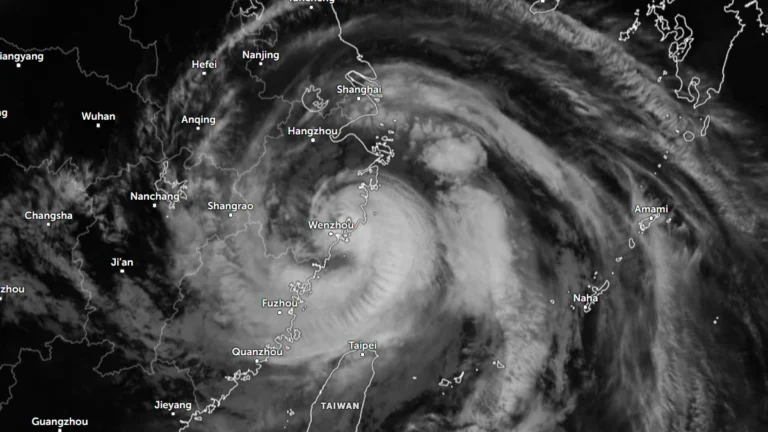
    Typhoon Bavi battered eastern China after making two landfalls in Zhejiang Province late Saturday, July 11, 2026. More than 2.68 million people were relocated in Zhejiang alone ahead of landfall, while rainfall exceeded 300 mm (12 inches) in some areas. As the system moved northward, severe flooding submerged roads under more than 2 m (6.6 feet) of water in parts of Hebei, stranded approximately 1 800 people and disrupted railway services in Liaoning, while 46 rivers nationwide exceeded warning levels.

  • Woman found dead, hundreds rescued as historic floods hit Missouri

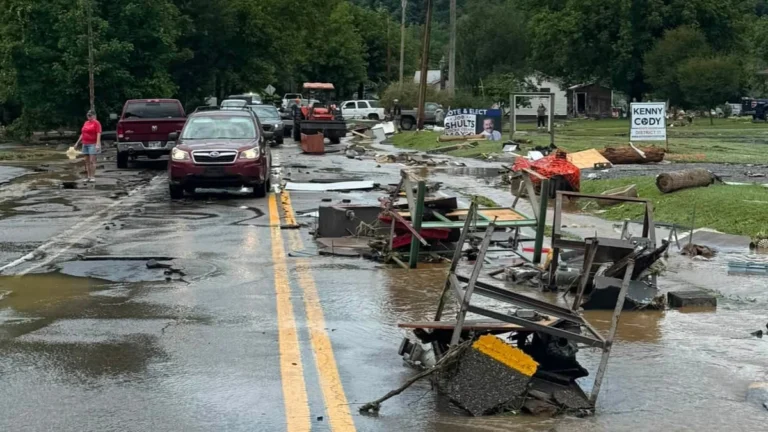
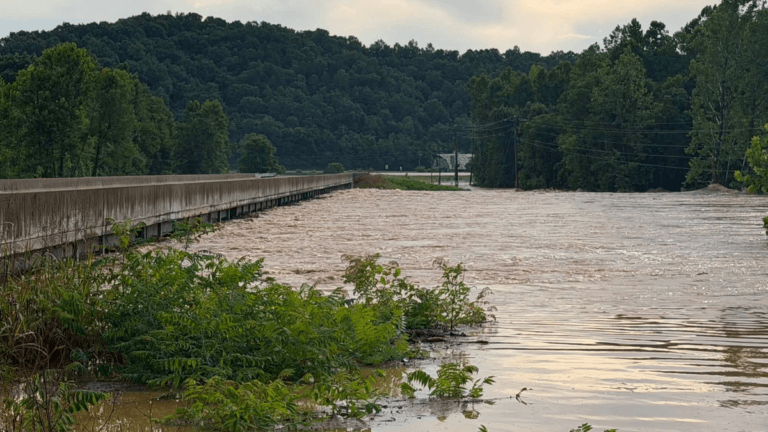
    Authorities in Missouri recovered the body of a woman on July 11, 2026. The victim was reportedly swept away by floodwaters on July 10 as catastrophic flooding struck much of southeastern Missouri. Over 30 cm (12 inches) of rainfall was recorded in parts of the region in 24 hours, while the Black River rose to record heights. Hundreds of rescues were conducted across the state, with the relief operation still ongoing.

  • Typhoon Bavi makes landfall in Zhejiang, China, after triggering mass evacuations

    Typhoon Bavi made landfall in Zhejiang Province, eastern China, at 23:20 local time (LT) on July 11, 2026, with 10-minute maximum sustained winds of 144 km/h (90 mph). The storm prompted the evacuation of more than 1.7 million people across eastern China. Bavi passed north of Taiwan before reaching the mainland and enhanced the southwest monsoon over the Philippines, where flooding and landslides caused fatalities.

  • Missouri declares State of Emergency, historic flash floods prompt hundreds of rescues

    Missouri Governor Mike Kehoe declared a State of Emergency on July 10, 2026 after historic flash floods struck parts of central, south-central, and southeastern Missouri, prompting hundreds of water rescues. Torrential rainfall of 150–300 mm (6–12 inches) in less than 24 hours overwhelmed rivers, roads, and communities, while additional flooding remains possible through the weekend.