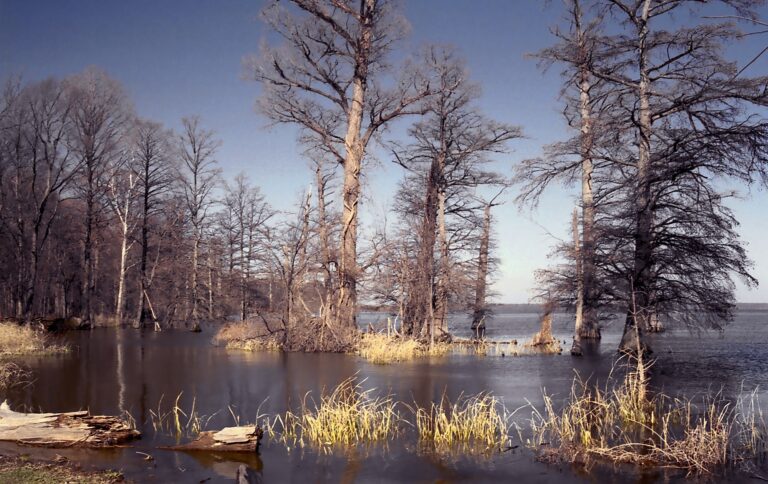
• In the winter of 1811–12, earthquakes near New Madrid, Missouri, shook so hard that witnesses saw the Mississippi River flow backward, and the shaking left a brand-new lake in Tennessee

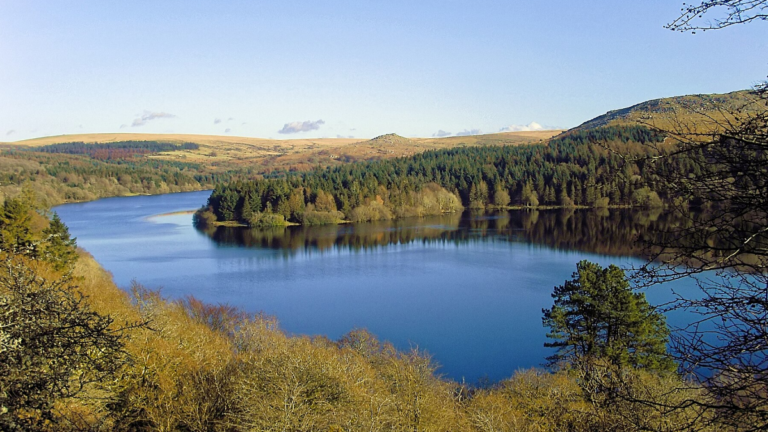
    During the New Madrid earthquakes of 1811–1812, waves and sudden riverbed uplift sent parts of the Mississippi River surging upstream. The February 7, 1812 shock also reshaped northwestern Tennessee, where ground subsidence and obstructed drainage helped form modern Reelfoot Lake. The river disturbance was temporary; the flooded landscape endured.
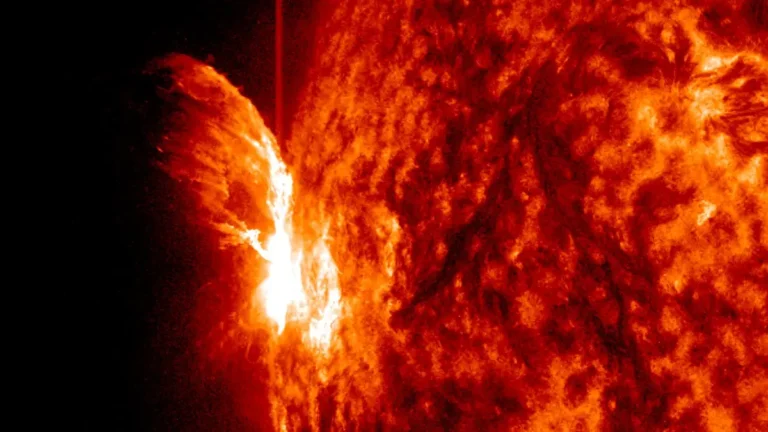
  • On 28 August 1859 a solar storm shocked telegraph operators and threw sparks on other lines, and on 2 September Boston to Portland clerks unhooked their batteries and kept sending for more than two hours on the aurora’s current alone.

    Solar storms on August 28 and September 2, 1859, drove disruptive currents through telegraph networks, shocking operators and throwing sparks from equipment. During the second storm, operators between Boston and Portland, Maine, disconnected their batteries and exchanged messages for more than two hours using the storm-induced current alone.

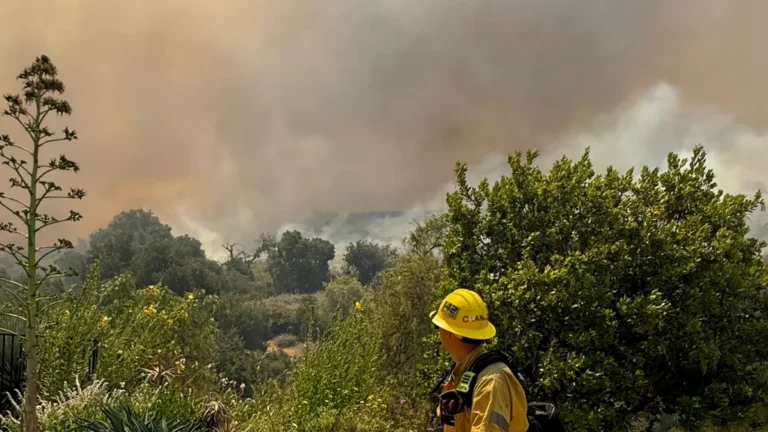
  • In 2019, the Ronald Reagan Presidential Library hired hundreds of goats to eat 13 acres of brush around it; months later the Easy Fire surrounded the library, and the fire break the goats left behind slowed the flames before they reached the building

    Vincent van Goat and Selena Goatmez were among the animals hired to eat brush around the Ronald Reagan Presidential Library in May 2019. Months later, when the Easy Fire surrounded the hilltop complex, library staff credited the herd’s appetite with helping firefighters protect the buildings and the presidential history inside.

  • Britain appointed a Minister for Drought in August 1976, and it rained so much afterward that by November MPs were calling him the Minister of Flood

    Denis Howell was given responsibility for Britain’s drought response in August 1976. By November 16, after two exceptionally wet months, MP Arthur Jones was calling him “The Minister of Flood” in the House of Commons. The nickname captured a dramatic weather reversal, while parts of the water system were still recovering.

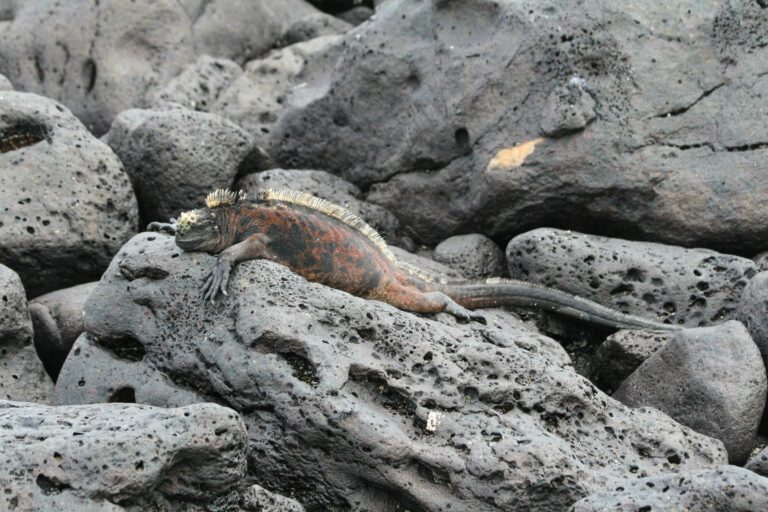
  • Marine iguanas in the Galápagos got shorter by as much as 6.8 cm (2.7 inches), or a fifth of their length, when El Niño left them short of the seaweed they can digest, and the biggest ones shrank the most and lived the longest

    Marine iguanas in the Galápagos Islands can lose as much as 6.8 cm (2.7 inches), or one-fifth of their body length, when El Niño disrupts their food supply. Researchers tracking individual adults found that the reptiles could grow longer again when conditions improved. Among large iguanas, those that shortened most also survived longer during the food shortage, revealing an unusual response to environmental stress.

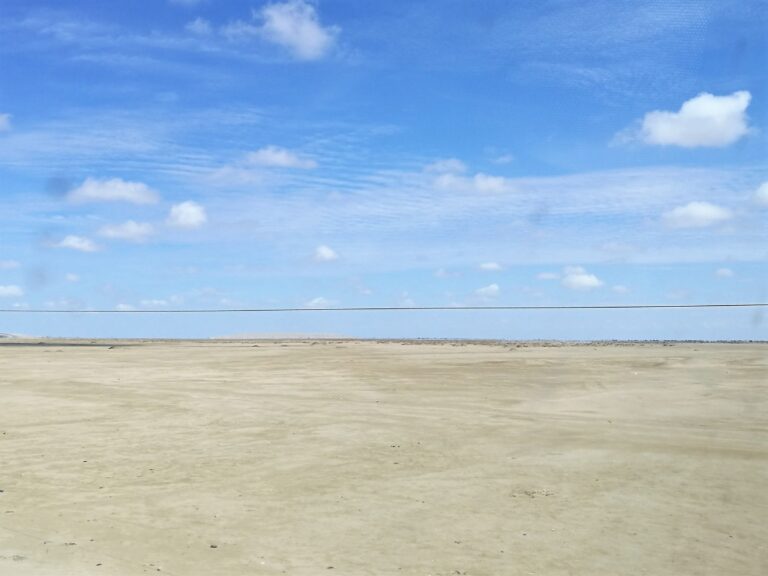
  • In 2017, El Niño rains turned part of Peru’s Sechura Desert into a lake more than four times the size of Lake Tahoe, and families went out on wooden rafts to fish it

    In April 2017, a temporary lake in Peru’s Sechura Desert expanded to 2 172 km² (839 square miles), more than four times the surface area of Lake Tahoe. Satellite observations captured the transformation as exceptional coastal El Niño rains sent floodwater into a low-lying desert basin, creating an immense aquatic landscape that local communities have repeatedly used for fishing.

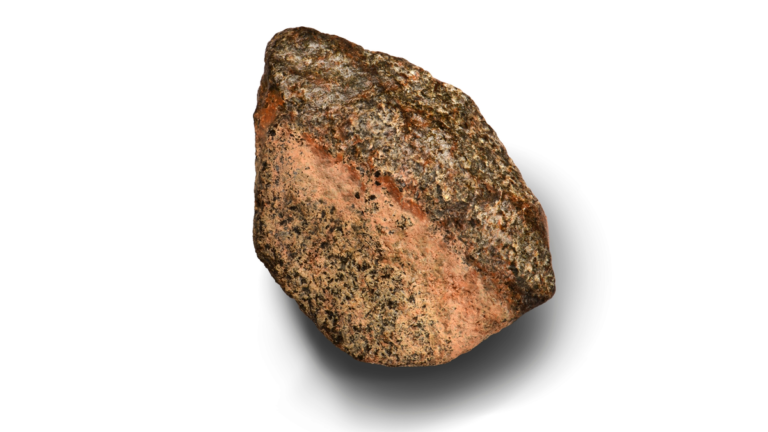
  • A rose-colored rock found in the Sahara in 2022 turned out to be a piece of Mars more than 4.1 billion years old

    A rose-colored meteorite discovered in Mali’s Sahara Desert in 2022 contains rock that formed on Mars more than 4.1 billion years ago, according to research published on October 29, 2026. Known as Teghaza 001, the specimen preserves evidence of an ancient crust formed from cooling magma and subsequently altered by water, offering a rare direct record of the planet’s earliest geological history.

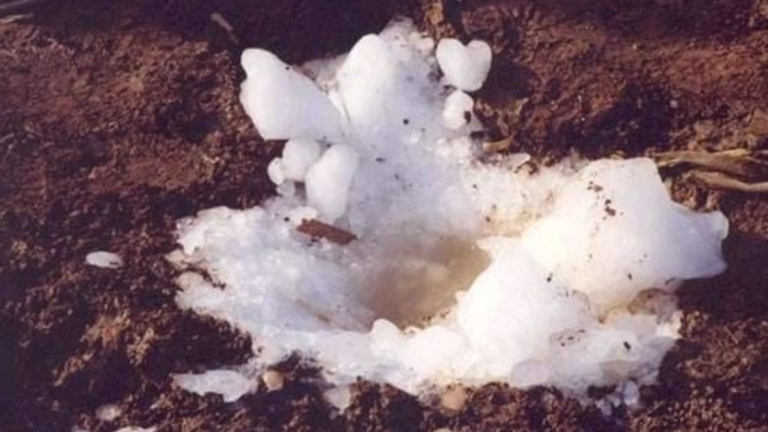
  • In January 2000, chunks of ice weighing up to 6 pounds fell out of clear blue skies over Spain for 10 days. One smashed through a car windshield, and scientists still can’t fully explain where they came from

    Large chunks of ice, including pieces weighing more than 3 kg (6.6 pounds), fell over Spain in January 2000 during weather reported as clear. One broke a car windshield in Tocina. The falls launched research into megacryometeors, large ice bodies whose formation outside ordinary thunderstorm conditions remains incompletely explained.

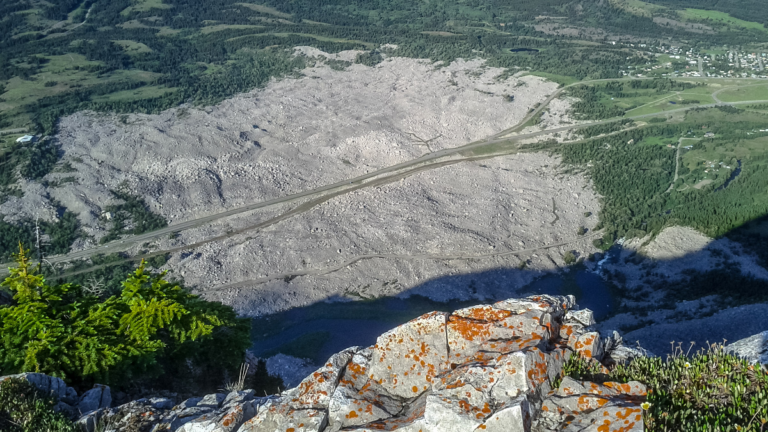
  • In 1903, 17 coal miners in Frank, Alberta, dug their own way out of a mountain after a rockslide sealed the mine, and came up 13 hours later to find part of their town buried

    Seventeen coal miners trapped beneath Turtle Mountain during the April 29, 1903, Frank Slide in Alberta dug their way back to the surface about 13 hours later. All 17 escaped, but the rock avalanche had destroyed homes on the town’s edge, and at least one of the men had lost his wife and children.

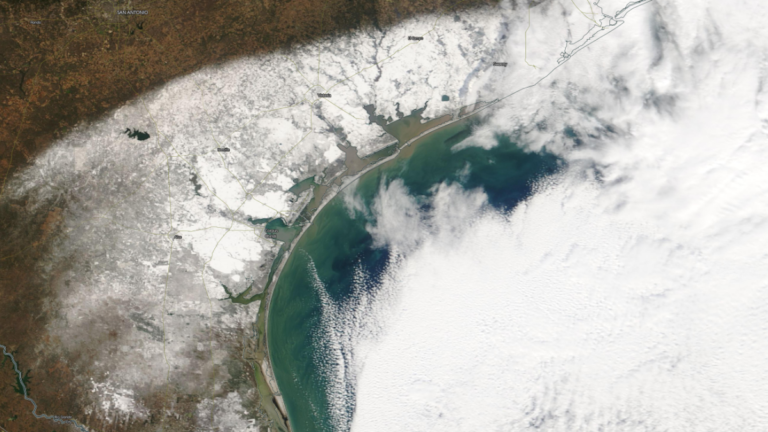
  • Brownsville, Texas, on the Mexican border, had not seen measurable snow since 1895, until it fell on Christmas Eve 2004

    About 3.8 cm (1.5 inches) of snow was enough to make Christmas 2004 historic in Brownsville, Texas. The city on the Mexican border had gone nearly 110 years without a recorded measurable snowfall. Flurries had occurred during that interval, but the storm that arrived late on Christmas Eve left enough accumulation for the Lower Rio Grande Valley’s first recorded white Christmas.