• Humidity quietly turning U.S. heat waves into a far deadlier threat

    A new peer-reviewed study led by researchers at the University of Florida shows that heat waves across the eastern United States—especially in Florida—are substantially more severe when humidity is included in their measurement, based on nationwide climate data spanning 1981–2023.

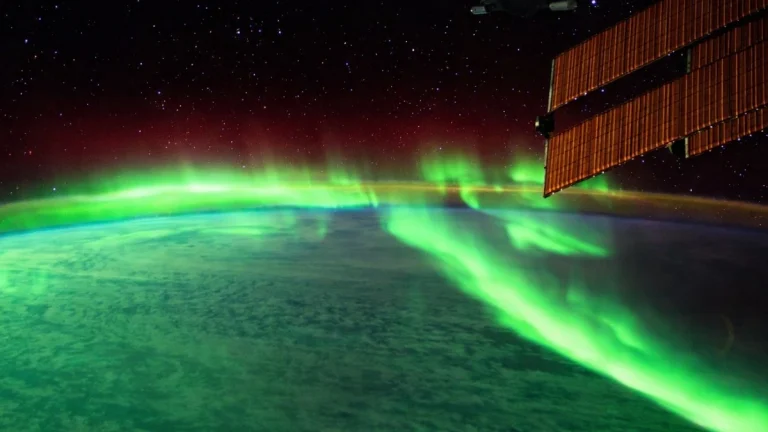
  • What is a solar radiation storm and why it matters

    Solar radiation storms are extreme space weather phenomena in which high-energy particles from the Sun reach near-Earth space, posing operational risks to satellites and aviation. The latest rare S4 – Severe event on January 19, 2026, is the strongest since 2003, providing an opportunity to explain what solar radiation storms are and why scientists monitor them from Earth’s orbit to surface detectors.

  • Magma intrusion reshaped plate motion during Antarctica’s largest recent earthquake swarm

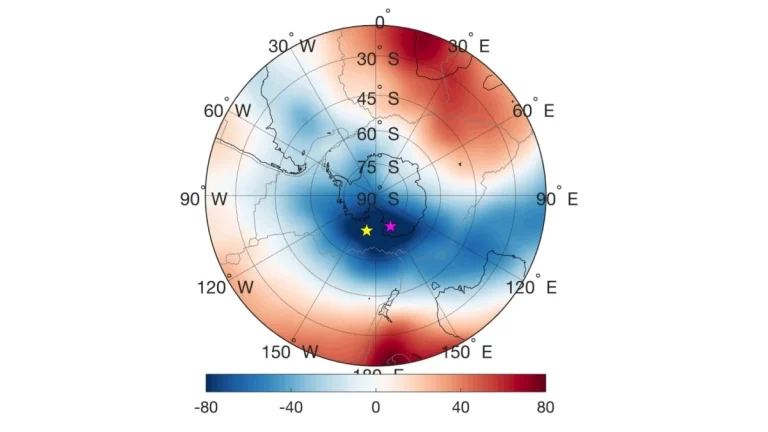
    A large earthquake swarm along the Scotia–Antarctica plate boundary between August 2020 and August 2021 was driven primarily by magma intrusion beneath the Bransfield Strait, according to a geodetic study published in Geophysical Journal International on December 13, 2025.

  • Study shows Main Marmara Fault is rupturing eastward toward Istanbul

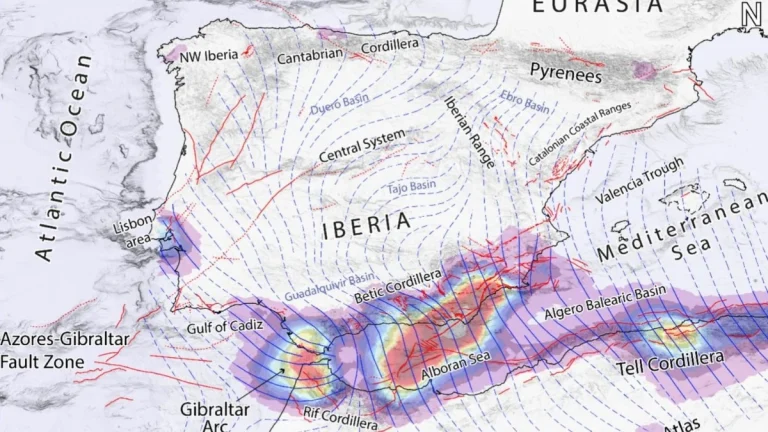
    Researchers revealed that the Main Marmara fault in northwestern Türkiye has been rupturing progressively eastward for more than a decade, culminating into the strongest earthquake in over 60 years beneath the Sea of Marmara, a MW 6.2 quake on April 23, 2025. New findings raise concern that a locked fault segment south of Istanbul could generate a M7.0 earthquake in the future, rattling the city of 18 million people.

  • Second Al Khor meteorite fragment discovered in Qatar desert after four months

    A second fragment of the Al Khor meteorite was recovered in northern Qatar after a four-month search effort, with the discovery announced on January 11, 2026. The find was confirmed by Sheikh Salman bin Jabor al-Thani, head of the Qatar Astronomical Centre, who announced the recovery on his X account.

  • New microbes discovered in NASA cleanrooms reveal unexpected resilience and biotech value

    They were supposed to be some of the cleanest places on Earth — yet inside NASA’s spacecraft assembly cleanrooms, scientists have discovered 26 previously unknown bacterial species, organisms that not only survived extreme sterilization protocols but also carry genetic traits that could help them endure the harsh conditions of space.