• Ancient tectonic plates are driving motion deep along Earth’s core

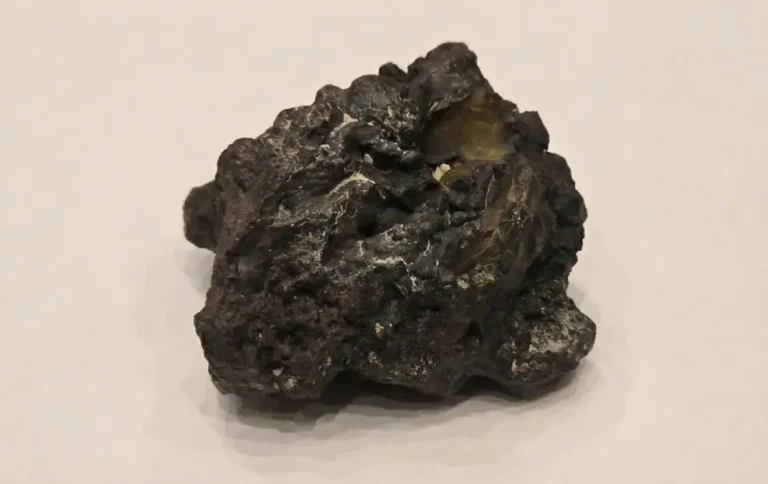
    Scientists have produced the most detailed picture yet of the layer 2 900 km (1 800 miles) beneath Earth’s surface where the mantle meets the core. Using records from more than 5 300 earthquakes, they discovered that ancient tectonic plates sink to this depth, flatten against the core, and slowly spread sideways, driving flows in the planet’s deep interior.

  • Massive ancient structure beneath Bermuda reshapes Earth’s geological map

    A new seismic study reveals that Bermuda’s uplift is sustained by a 20 km (12 mile) thick layer of buoyant underplated rock, not by a deep mantle plume. The findings, published in Geophysical Research Letters on November 28, 2025, reshape the geological understanding of the Atlantic’s most persistent ocean swell.

  • Yellowstone’s silent chemistry reveals the secret of its missing sulfur dioxide

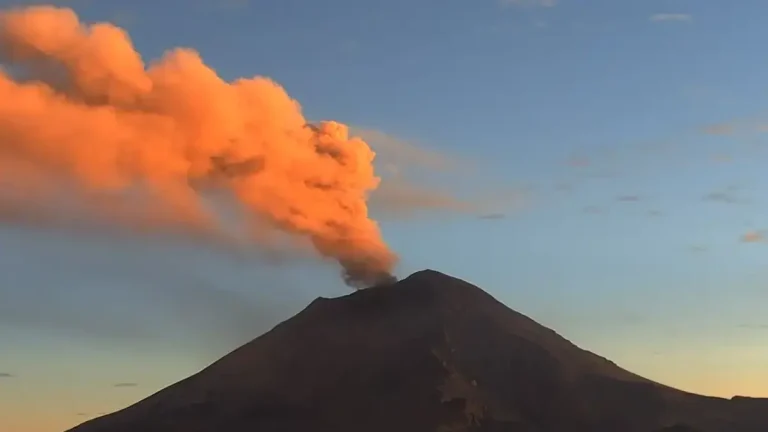
    Yellowstone smells like sulfur, boils with heat, and vents enormous volumes of gas – yet one of volcanology’s most important signals is missing. The near-absence of sulfur dioxide reveals why Yellowstone’s magma stays deep, quiet, and chemically transformed long before reaching the surface.

  • Magnetic tail connecting Earth’s atmosphere and Moon

    New 3D magnetohydrodynamic simulations show that Earth’s magnetic field has, for billions of years, funneled charged atmospheric particles toward the Moon through the planet’s magnetotail, gradually embedding traces of terrestrial gases into lunar soil. The findings, published in Nature Communications Earth and Environment, suggest that the lunar regolith holds a geochemical record of Earth’s evolving atmosphere.

  • The 1929 M7.2 Grand Banks earthquake and tsunami reshaped Atlantic coasts

    An offshore M7.2 earthquake known as the Grand Banks earthquake or the Laurentian Slope earthquake and sometimes the South Shore Disaster struck south of Newfoundland on November 18, 1929 at 17:02 p.m. local time (LT), . The shaking triggered a massive 200 km³ (48 miles³) submarine slump that ruptured 12 trans-Atlantic cables and generated a tsunami that devastated more than 40 villages on the Burin Peninsula, killing 28 people.