• Decades-long growing rift in Brunt Ice Shelf finally breaks, creating new iceberg, Antarctica

    On January 22, 2023, a massive rift on the Brunt Ice Shelf in Antarctica finally gave way, resulting in the formation of a new iceberg measuring 1 550 km2 (~600 mi2). The U.S. National Ice Center has named it Iceberg A-81. The rift, spanning most of the Brunt Ice Shelf in Antarctica, appeared ready to spawn an iceberg in 2019, posing an uncertain future for scientific infrastructure and a human presence on the shelf that was first established in 1955 by the British Antarctic Survey (BAS).

  • Arctic sea ice extent above levels not seen since 2013

    Arctic’s seasonal sea ice loss began more slowly in May 2022 than in the recent years as air temperatures were closer to the 1981 to 2010 average. The month ended with the highest sea ice extent since 2013 – the 14th lowest in the satellite record.

  • South Pole registers coldest winter on record

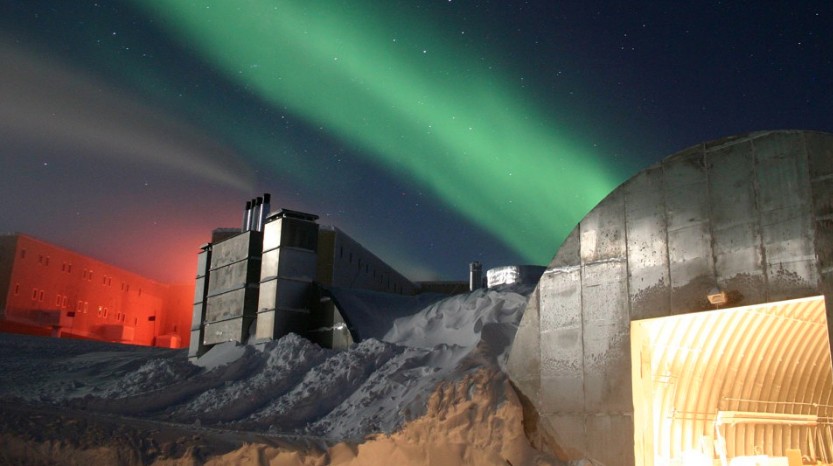
    A weather station at the Amundsen-Scott South Pole Station registered record cold winter temperatures this season (April – September), averaging at -61.1 °C (-77.9 °F) and breaking the previous record set in 1976 at -60.6 °C (-77 °F). Weather records…

  • Scientists identify new atmospheric circulation over the Arctic

    A team of scientists from Japan, South Korea, and the USA, has identified a new pattern of atmospheric circulation around the Arctic that could drive co-occurrences of heatwaves and large-scale wildfires over the region, particularly in Siberia and subpolar North…

  • Antarctica hit by 30 000 earthquakes in 3 months

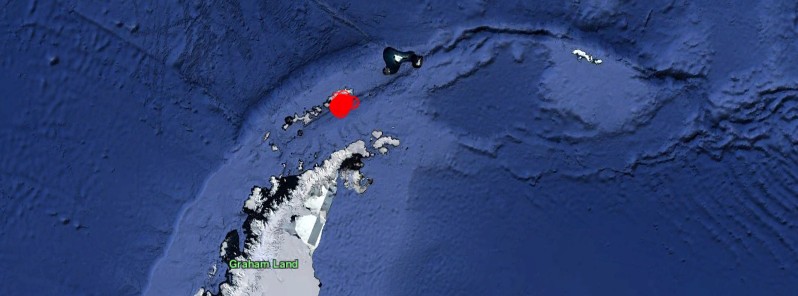
    More than 30 000 earthquakes have been registered in the Bransfield Strait, an ocean channel between the South Shetland Islands and the Antarctic Peninsula, since the end of August 2020, according to the University of Chile. The strait is now expanding 15 cm (6…

  • Arctic ozone levels hit record low in March

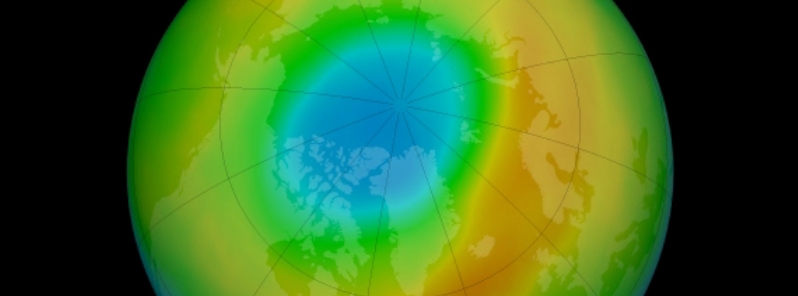
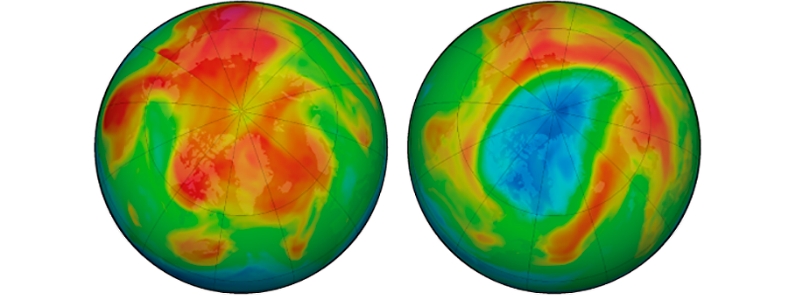
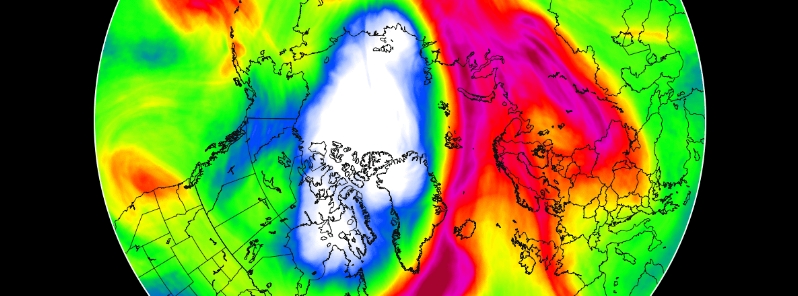
    An analysis of satellite observations shows that ozone levels over the Arctic hit a record low for the month of March, NASA researchers reported on April 16, 2020. Ozone levels reached their lowest point on March 12 at 205 Dobson units. The depletion was caused by…