• Antarctica sees ice gain after two decades of decline

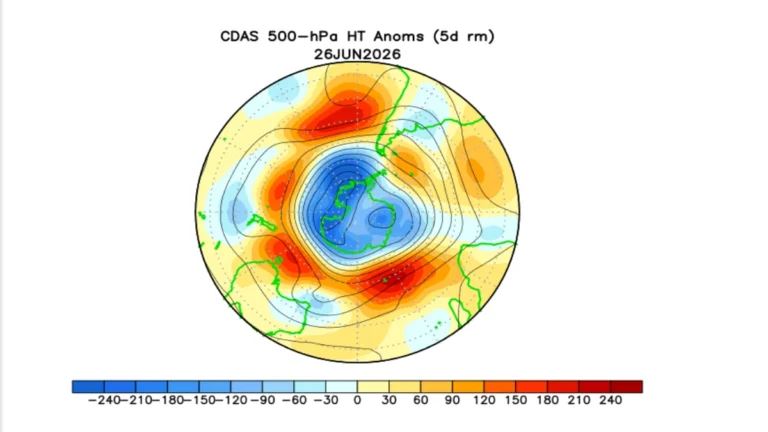
    Antarctica has shown a rare shift in behavior, gaining ice mass between 2021 and 2023 after years of steady decline. Using satellite gravimetry, researchers tracked this anomaly and linked it to unusual precipitation rather than long-term change. The findings offer insight into the continent’s sensitivity but little certainty about what comes next.

  • The impact of atmospheric rivers on Antarctic ice sheet

    A recent study analyzing data from 1980 to 2020 found that atmospheric rivers (ARs), though infrequent, have accounted for up to 70% of extreme snowfall events in East Antarctica since the 1980s, significantly impacting the continent’s ice sheet mass balance.

  • Six new species discovered beneath Antarctic seafloor after iceberg A-84 break-off

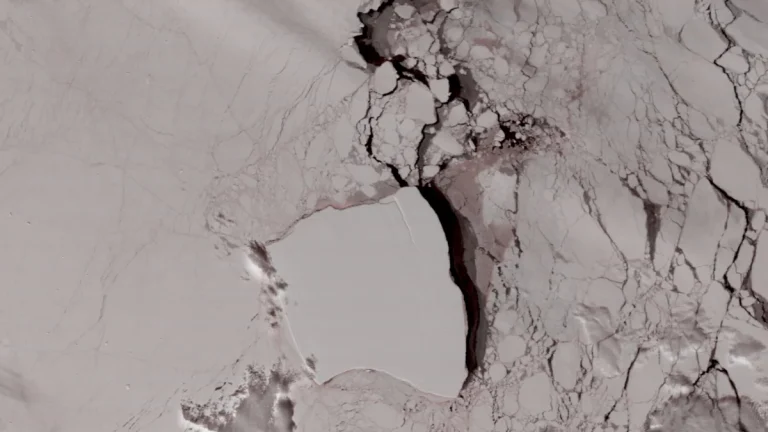
    An international team exploring the seafloor after iceberg A-84 broke off the George VI Ice Shelf in January 2025 discovered a previously unseen ecosystem, raising questions about how life adapts to some of the harshest environments on the planet. Since the area became accessible, at least six new species have been identified in the region.

  • World’s largest iceberg A23a runs aground near South Georgia

    The world’s largest iceberg, A23a, ran aground near the sub-Antarctic island of South Georgia on March 1, 2025. The iceberg remains stationary approximately 90 km (56 miles) from land, raising concerns about its potential impact on marine ecosystems and navigation.