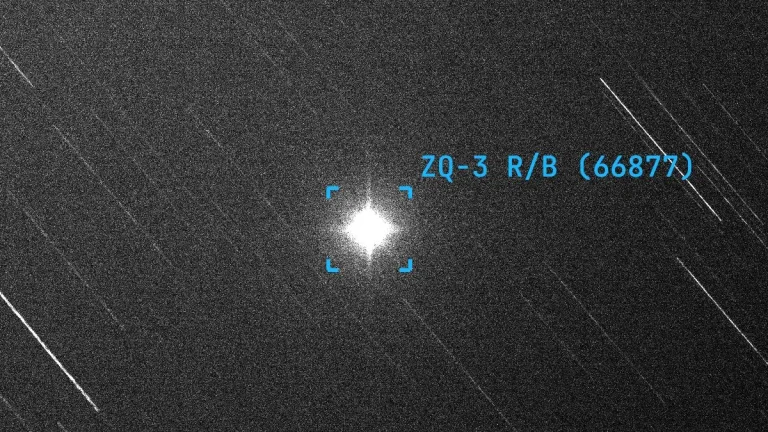
• Chinese ZQ-3 R/B rocket stage expected to re-enter atmosphere over Europe today

    An uncontrolled atmospheric re-entry of the Chinese ZQ-3 R/B second stage, weighing about 11 tonnes, is expected over Europe on January 30, 2026. EU Space Surveillance and Tracking (EU SST) reports a predicted re-entry centered near 11:20 UTC ± 48 minutes. National sensors coordinated through the Finnish Meteorological Institute (FMI) and EU SST Operations Centres are tracking the object and assessing potential airspace impacts south of Denmark and in the Baltic region.

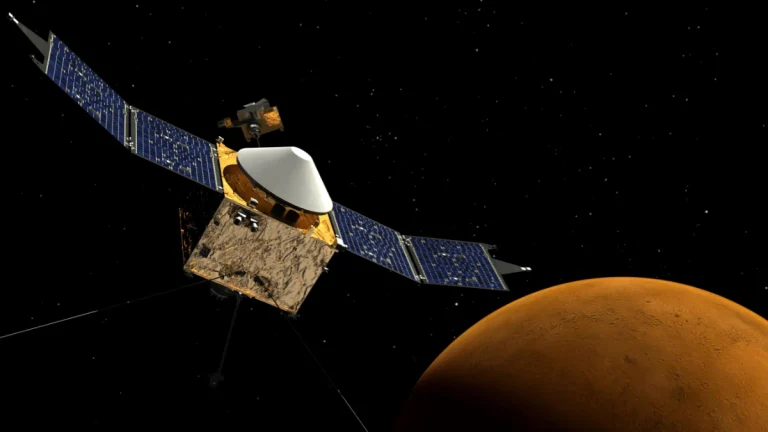
  • ESA confirms controlled reentry plan for Cluster satellite Rumba on October 22

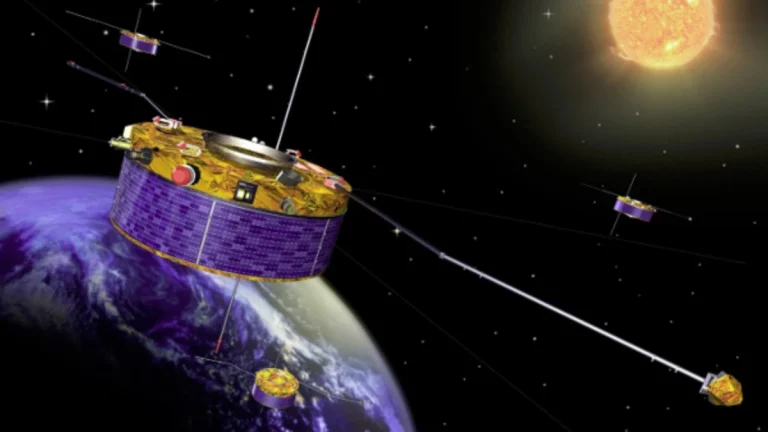
    ESA is preparing the second targeted atmospheric reentry of its long-running Cluster mission, with the spacecraft Rumba expected to descend into Earth’s atmosphere over a remote region of the South Pacific Ocean on October 22, 2025. The maneuver will follow the first controlled reentry of Salsa in September 2024 and continues ESA’s program to end the 24-year mission through precise, safe disposal of each satellite.

  • SpaceX Starship ninth test flight ends in dual vehicle loss

    SpaceX’s ninth Starship test flight on May 27, 2025, resulted in the failure of both the Super Heavy booster and Starship upper stage. A propellant leak and uncontrolled spin led to the upper stage’s destruction during re-entry, while the booster was lost during its landing attempt.

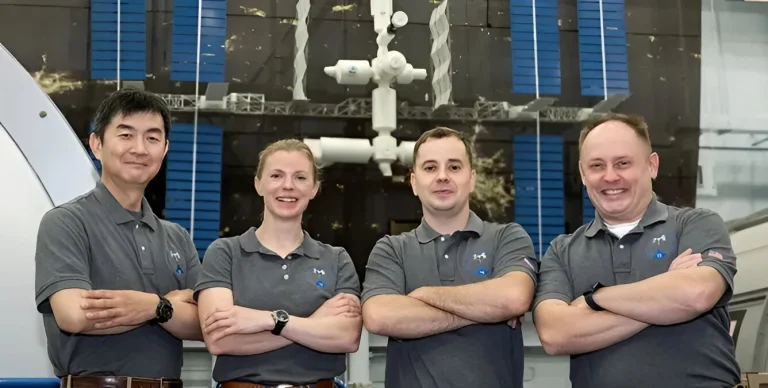
  • SpaceX Dragon CRS-32 returns with sonic boom, splashes down near the coast of California

    A SpaceX Dragon spacecraft concluded the CRS-32 commercial resupply mission with a sonic boom and splashdown in the Pacific Ocean off the coast of Oceanside, California, at 01:44 EDT (05:44 UTC) on May 25, 2025. The spacecraft returned approximately 3 040 kg (6 700 pounds) of cargo from the International Space Station, including scientific experiments and crew supplies.

  • Atomic clocks enter orbit to test relativity and redefine time standards

    The newly launched Atomic Clock Ensemble in Space (ACES) mission will advance our understanding of how gravity affects the passage of time. By comparing highly accurate clocks aboard the International Space Station with those on Earth, ACES aims to test key concepts in Einstein’s theory of relativity and explore fundamental physics.