• Wind chills to −57°C (−70°F) as Extreme Cold and Blizzard Warnings continue across Alaska

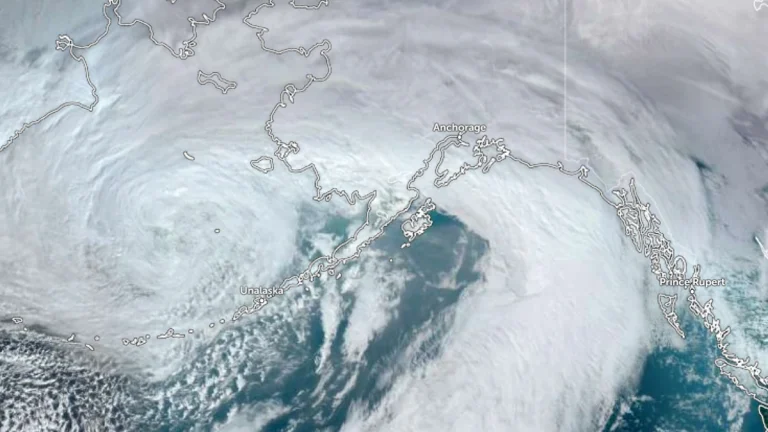
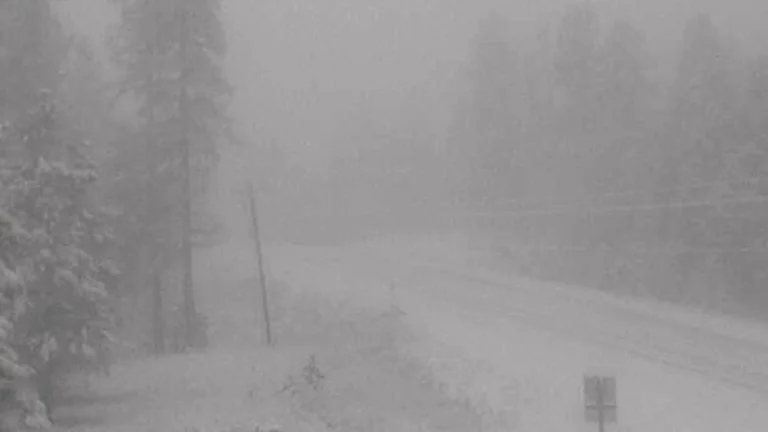
    Extreme Cold Warnings and Blizzard Warnings remain in effect across northern and western Alaska on February 11, 2026, with the National Weather Service forecasting wind chills as low as −57°C (−70°F) along the Arctic Coast and Brooks Range and wind gusts up to 105 km/h (65 mph) on St. Lawrence Island. Air temperatures near −46°C (−50°F) combined with increasing winds are expected to intensify frostbite risk across the North Slope, while snowfall of 7–15 cm (3–6 inches) and visibility reductions to 400 m (0.25 miles) or less are forecast in parts of western Alaska through early February 12.

  • Extreme cold watches expand as Arctic outbreak spreads across central United States

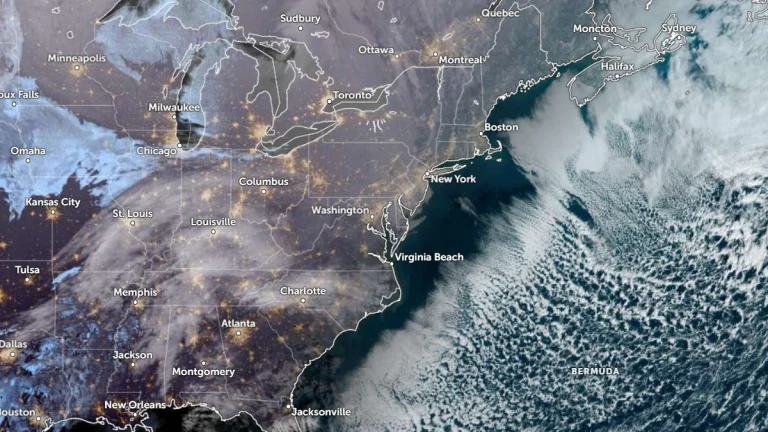
    A large and prolonged outbreak of Arctic air is spreading across the United States, prompting extreme cold watches across much of the northern and central United States from Thursday, January 22, 2026, through Friday, January 24. This Arctic outbreak will bring one of the most dangerous cold spells in recent years, with the greatest threat lasting from Thursday night through early Saturday morning.

  • Schools closed across Ukraine as power outages worsen extreme cold outbreak in Kyiv

    An intense Arctic cold wave gripped Kyiv, Ukraine, in mid-January 2026, driving temperatures to -20°C (-4°F) amid an ongoing energy crisis. Large sections of the capital were left without heating or electricity after continued Russian strikes on the power grid, prompting some residents to temporarily leave unheated apartments and seek shelter in emergency warming centers. Schools across the country have been shut until February 1, due to the extreme conditions.

  • Freeze warnings issued across Florida Panhandle and parts of the southeast U.S.

    Freeze warnings are in effect across the Florida Panhandle, northern and central counties, and parts of southeast Georgia from 23:00 EST Thursday, January 15, 2026, through 09:00 EST Friday, January 16. Temperatures are forecast to drop as low as −6°C (22°F) in inland areas, producing frost capable of damaging unprotected crops and causing water pipes to freeze and burst.

  • Arctic cold wave freezes Lapland airports, disrupts travel across northern Europe

    Thousands of tourists were stranded in northern Finland on January 11, 2026, after flights at Kittilä Airport were canceled due to extreme cold that made de-icing and fueling operations impossible. Temperatures dropped to −37°C (−34.6°F), one of the lowest readings of the winter season, amid a wider Arctic cold outbreak affecting large parts of northern and central Europe.