Arctic outbreak ends after breaking century-old records from Kansas to Texas
Arctic outbreak that brought extreme cold to much of the U.S. is coming to an end, after breaking over a century-old temperature records in some parts of the country.


Arctic outbreak that brought extreme cold to much of the U.S. is coming to an end, after breaking over a century-old temperature records in some parts of the country.

Multiple winter storms have kept much of the U.S. under extreme weather conditions through February 2025, bringing record-breaking cold, dangerous wind chills and causing multiple crashes across the central United States.

A surge of Arctic air is set to spread across much of the U.S. this weekend, bringing dangerously cold temperatures and wind chills as low as -34 °C (-30 °F) in some areas. Snow squalls will likely cause hazardous travel conditions over the Rockies and High Plains beginning on Thursday, January 16, 2025.

Millions of Australians are facing record-breaking sub-zero temperatures as an icy blast sweeps across the country from July 28 to August 2, 2024. A strong high-pressure ridge is causing dry conditions and frosty mornings, with temperatures plummeting below seasonal averages in New South Wales, Queensland, South Australia, and other regions.

Unusually cold temperatures have severely impacted agriculture in South Africa this month, particularly in Limpopo Province.

As a polar wave continues to affect Argentina, the city of Gualeguaychú hit a record-breaking low temperature of -7.6 °C (18.3 °F) on July 9, 2024. Meanwhile, all provinces of Argentina recorded temperatures below 0 °C (32 °F) on July 10, 2024. The severe cold snap prompted authorities to issue numerous Red, Orange, and Yellow alerts for extreme cold.

A severe cold snap has been affecting most of Argentina, including the capital Buenos Aires, since Saturday, July 6, 2024, with Patagonia becoming one of the coldest regions of the world. Argentina’s National Meteorological Service issued an Orange alert for regions surrounding the county’s capital and Yellow alerts for most other provinces.
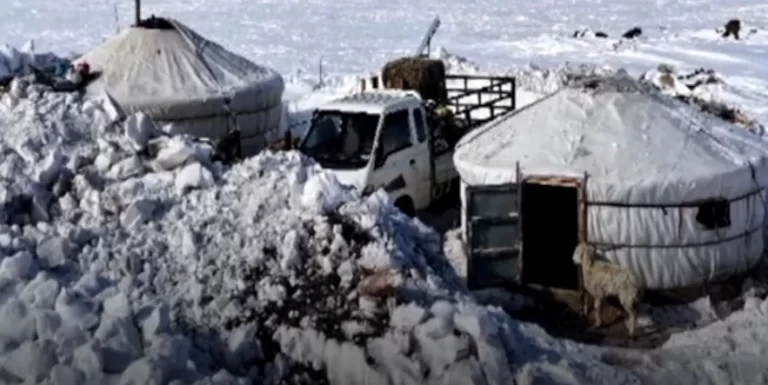
Mongolia has experienced its heaviest snowfall since 1975 this winter, with the government reporting one fatality and the loss of nearly 668 000 livestock due to severe cold and blizzards. Disaster relief efforts were initiated on February 19, focusing on providing essential aid, including food, fuel, and livestock feed, to affected communities.

Xinjiang Uyghur Autonomous Region has set a new record for low temperatures, reaching -52.3 °C (-62.14 °F) in Fuyun County, leading to the death of numerous birds and surpassing a cold record held since 1960. Amidst the Chinese Lunar New Year’s return, this severe cold has resulted in extensive traffic disruptions and emergency responses across the region.

The British Columbia wine industry is bracing for unprecedented crop losses due to an extreme cold event in January 2024, with preliminary estimates forecasting a production decrease of 97 – 99%, resulting in industry-wide revenue losses between $440 – 445 million.
