• Researchers identify South Atlantic fireball as likely interstellar meteor

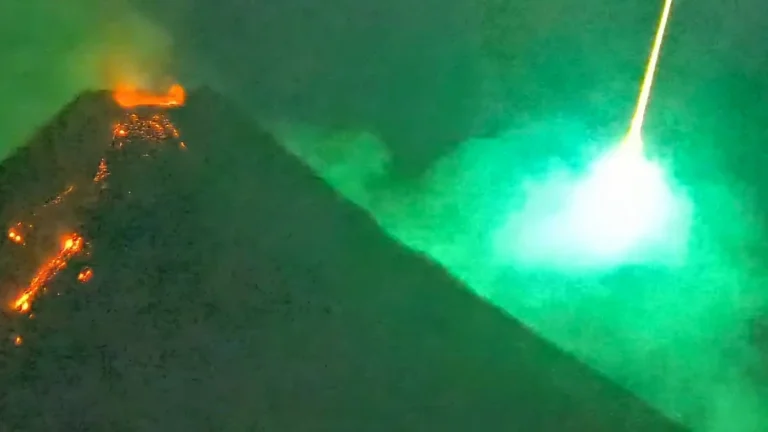
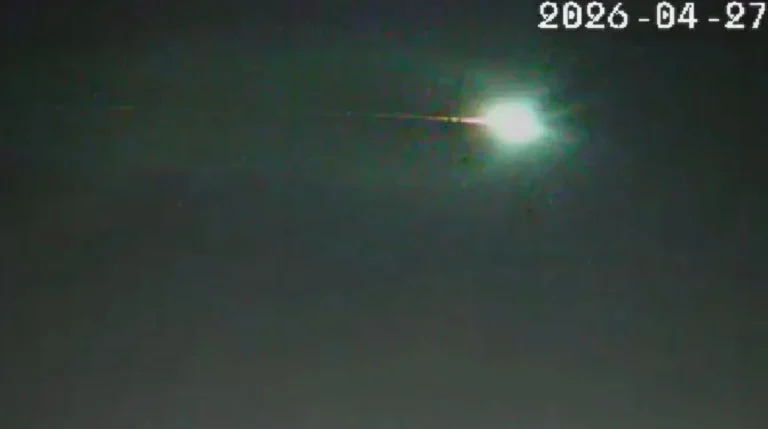
    A fireball detected over the South Atlantic Ocean at 02:13:14 UTC on April 1, 2026, has emerged as a candidate interstellar meteor following an orbital analysis by Avi Loeb and Richard Cloete, who argue that its trajectory is inconsistent with an origin within the Solar System. The object, designated Polar-IM, is described by Loeb and Cloete as the strongest interstellar meteor candidate yet identified in the NASA Center for Near Earth Object Studies (CNEOS) fireball database, with a confidence level above 99.9997% under the researchers’ uncertainty model.

  • Lyrid meteor shower peaks April 22 under favorable skies

    Earth will intersect the Lyrid meteor stream on April 22, 2026, marking the peak of this annual celestial event, with meteor rates averaging 10–20 per hour under optimal conditions. The event is best observed during the pre-dawn hours when the radiant in the constellation Lyra reaches a higher elevation.

  • Bright green fireball seen over UK and northern Europe breaks up over North Sea

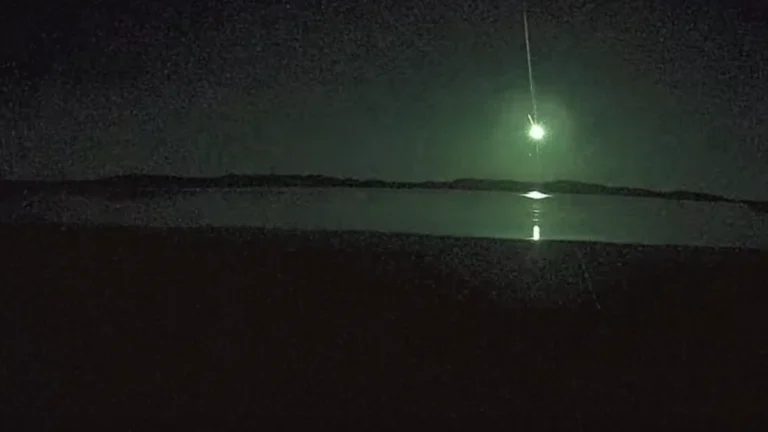
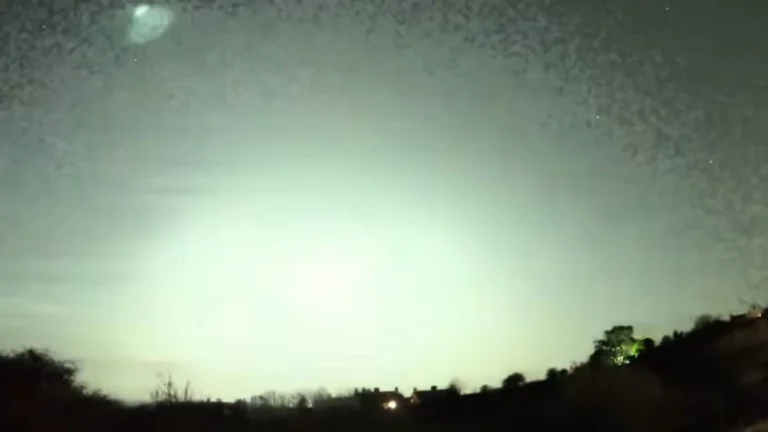
    A bright fireball lit up the skies over the United Kingdom and neighboring parts of northern Europe at around 23:24 UTC on April 12 (00:24 BST on April 13), 2026. Trajectory analysis indicates the object burned up over the North Sea, while witness reports described a bright green fireball with terminal flaring and fragmentation.