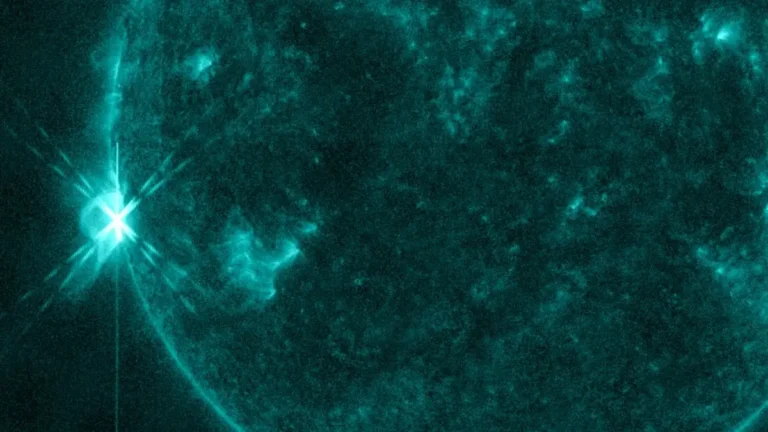
• X1.0 solar flare erupts from geoeffective Region 4455

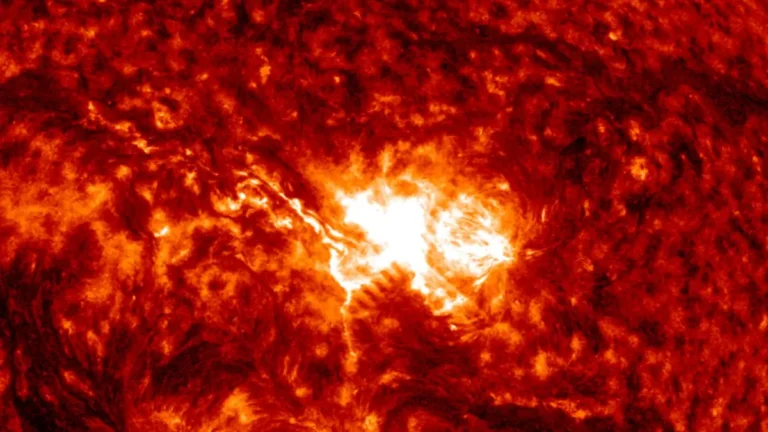
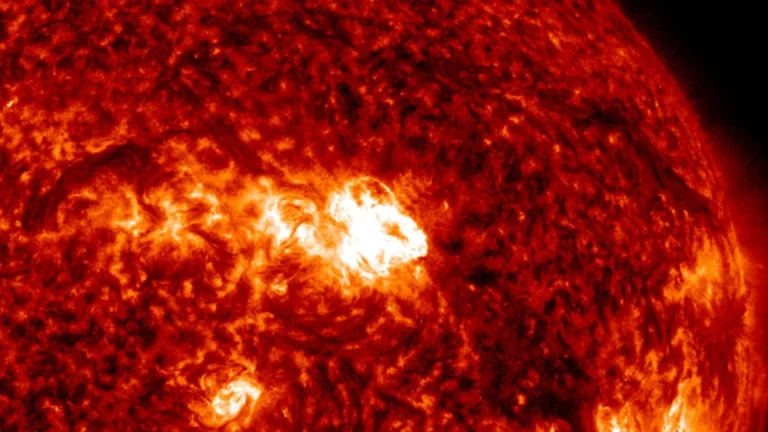
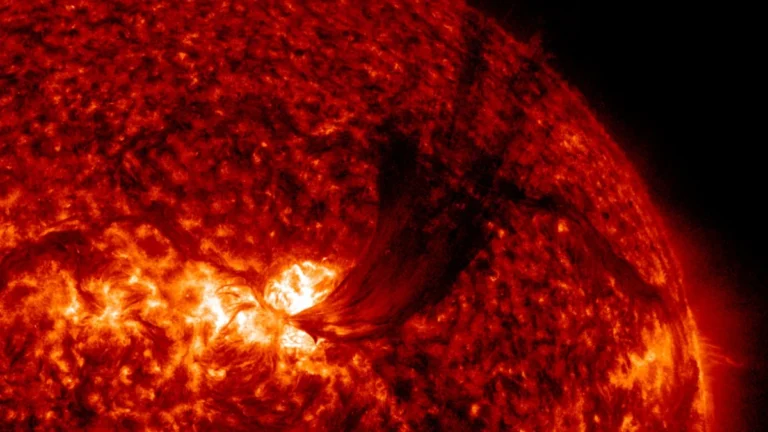
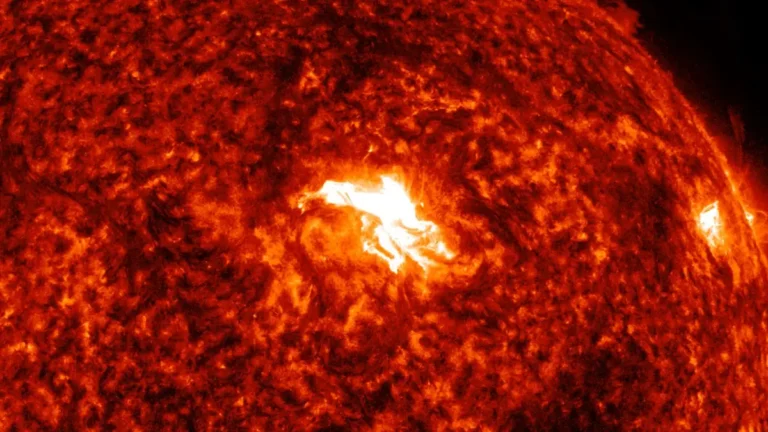
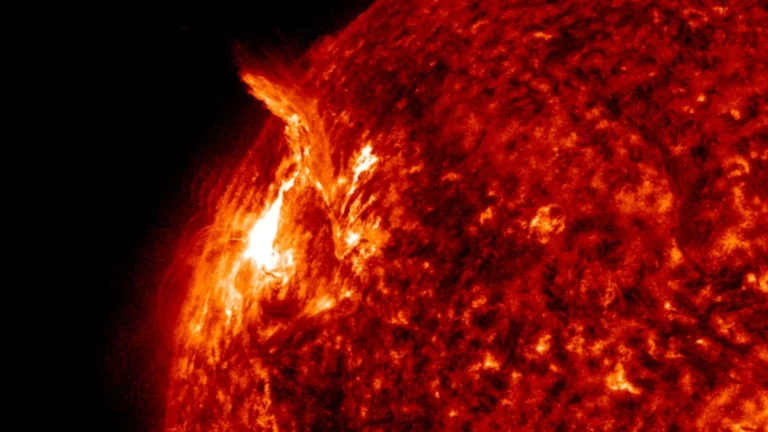
    An X1.0 solar flare erupted from Active Region 4455 at 11:28 UTC on June 3, 2026, producing R3 – Strong radio blackout conditions on the sunlit side of Earth. This is the third major flare from the same region today, following M9.3 at 01:36 UTC and M7.7 at 07:00 UTC.

  • M9.3 and M7.7 solar flares erupt from AR 4455, launching Earth-directed CMEs

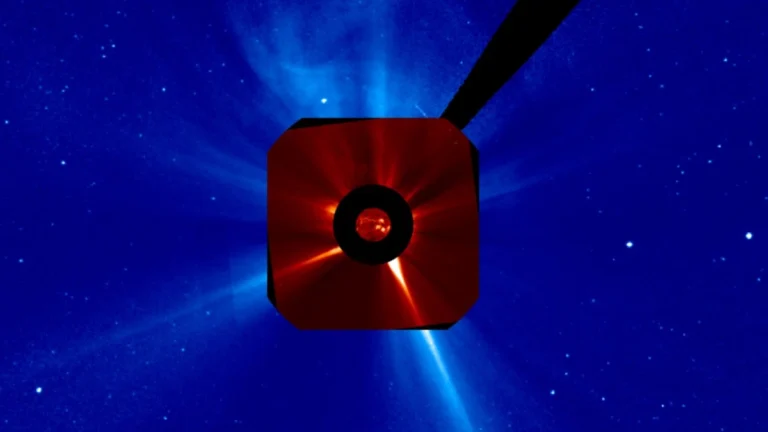
    A strong solar flare measuring M9.3 at its peak erupted from Active Region 4455 at 01:36 UTC on June 3, 2026, producing an Earth-directed coronal mass ejection (CME). The event started at 01:22 UTC and ended at 01:43 UTC. At 07:00 UTC, another strong solar flare — M7.7 — erupted from the same region and produced another Earth-directed CME.

  • M-class flare risk remains high from Regions 4420 and 4425 through April 29

    Solar activity reached high levels on April 26, 2026, after Region 4420 produced an M6.0 flare at 22:57 UTC, reaching R2 – Moderate radio blackout level. NOAA’s Space Weather Prediction Center (SWPC) forecasts a 70% chance of additional M-class flares capable of R1–R2 radio blackouts and a 25% chance of X-class flares capable of R3 or greater events through April 29.

  • X2.5 solar flare erupts at 08:13 UTC, second X-class event of April 24

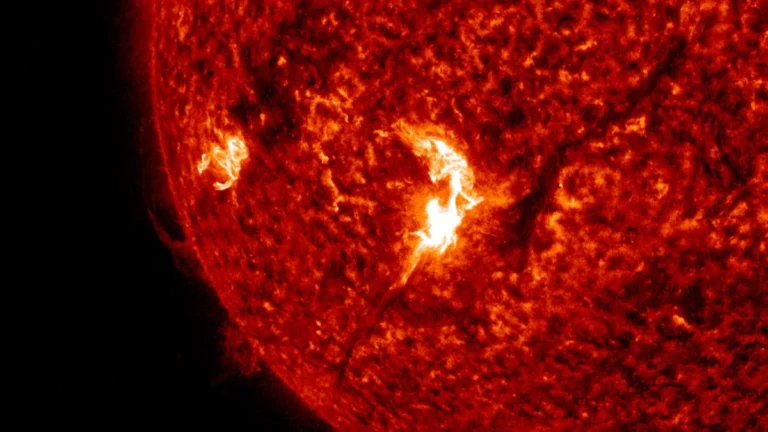
    An X2.5 solar flare erupted from Active Region 4419 at 08:13 UTC on April 24, 2026, marking the second X-class event within hours after an earlier X2.4 flare at 01:07 UTC. The event started at 08:01 UTC and ended at 08:18 UTC. The flare produced strong radio emissions and reached R3 (Strong) radio blackout levels on the sunlit side of Earth.

  • Major X2.4 solar flare erupts near Sun’s west limb

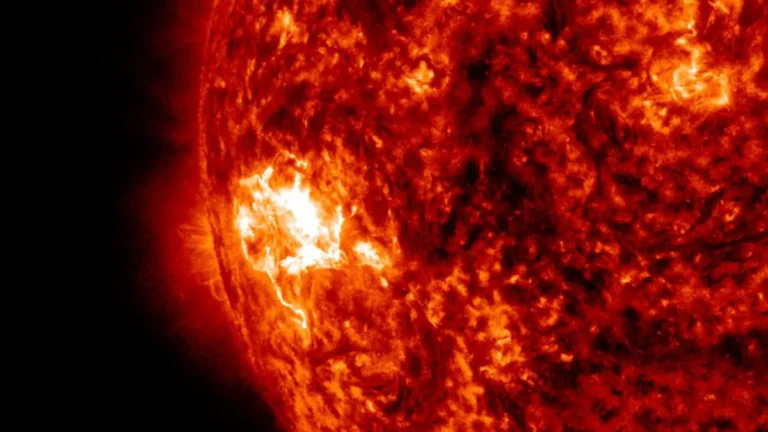
    A major X2.4 solar flare erupted from Active Region 4419 at 01:07 UTC on April 24, 2026. The event started at 00:51 UTC and ended at 01:13 UTC. A large coronal mass ejection was produced, but it’s not expected to be Earth-directed. This is the first X-class solar flare since X1.4 on March 30.

  • Impulsive M7.5 solar flare erupts from Earth-facing Region 4409, geomagnetic conditions remain elevated

    A strong solar flare measuring M7.5 erupted from Active Region 4409 at 01:17 UTC on April 4, 2026. The event started at 01:07 and ended at 01:23 UTC. No radio signatures indicating a coronal mass ejection (CME) were detected, despite the region’s position near the center of the solar disk, where any CME produced would likely be Earth-directed. Forecast conditions indicate solar activity will likely remain at moderate levels through April 6, with a slight chance of X-class flares, while geomagnetic conditions are expected to reach G1 – Minor to G2 – Moderate storm levels on April 4 under the combined influence of the April 1 CME and a negative polarity coronal hole high-speed stream.

  • Asymmetric halo CME following April 1 filament eruption forecast to deliver a glancing blow on April 4

    A filament eruption associated with a C6.1 solar flare from Active Region 4403 at 23:28 UTC on April 1, 2026, produced an asymmetric halo coronal mass ejection. Initial modeling indicates the bulk of the ejecta is directed north of Earth’s orbit, with a possible glancing impact early on April 4 that could trigger minor to moderate geomagnetic storming. Current geomagnetic conditions remain influenced by a combined coronal hole high-speed stream and prior CME activity.