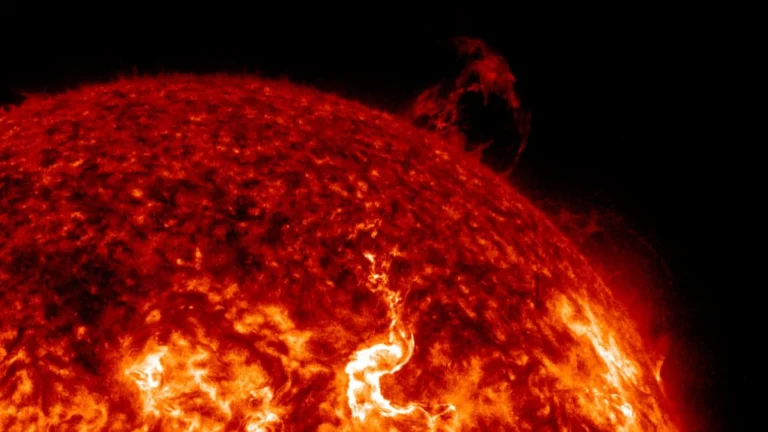
• Geomagnetic storms possible this weekend as CME from M1.0 solar flare heads toward Earth

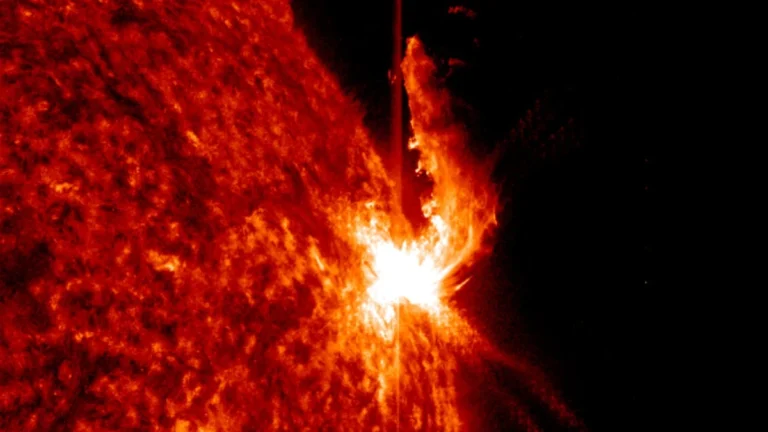
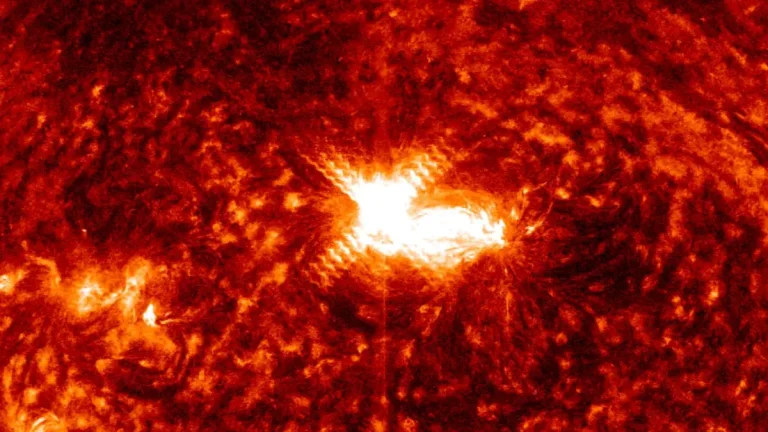
    An M1.0 solar flare erupted from Active Region 4373 at 08:58 UTC on February 13, 2026, launching a coronal mass ejection (CME) expected to glance Earth around February 15–16. SWPC forecasts G1 – Minor to isolated G2 – Moderate geomagnetic storm conditions as the CME interacts with a co-rotating interaction region and a positive-polarity coronal-hole high-speed stream.

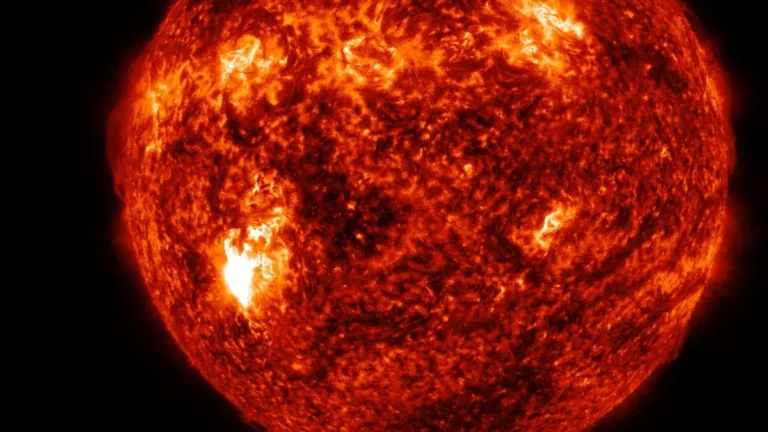
  • Impulsive X4.2 solar flare erupts from geoeffective Active Region 4366

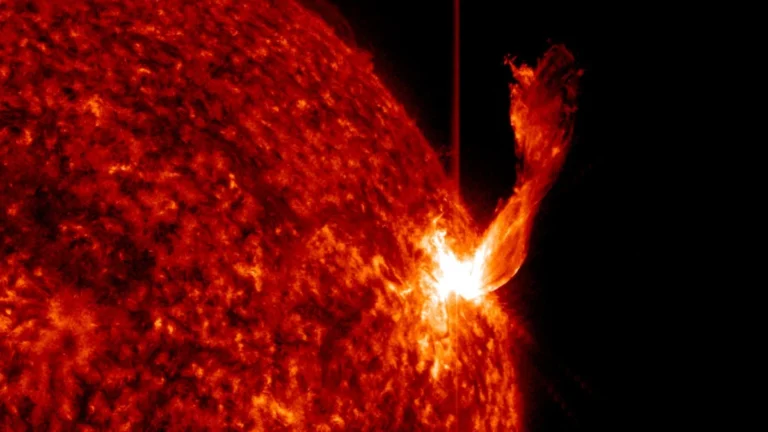
    An impulsive X4.2 solar flare erupted from geoeffective Active Region 4366 at 12:13 UTC on February 4, 2026. The flare originated from a magnetically complex beta-gamma-delta region that produced dozens of M- and 5 other X-class flares since February 1. Its location near the central solar disk raises the possibility of Earth-directed coronal mass ejections (CMEs) this week.

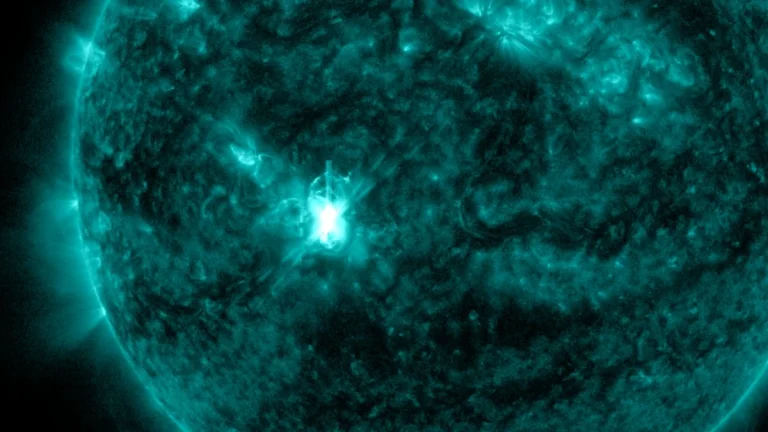
  • Major X8.1 solar flare erupts from AR 4366 following explosive growth

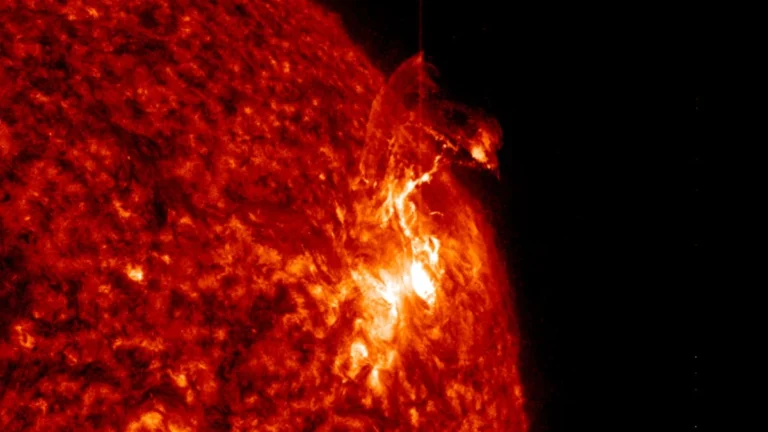
    A major X8.1 solar flare erupted from Active Region 4366 at 23:57 UTC on February 1, 2026, following rapid magnetic expansion and intense flaring throughout the day. The region also produced an X1.0 flare at 12:33 UTC on February 1 and an X2.8 event at 00:36 UTC and an X1.6 at 08:14 UTC on February 2, accompanied by more than 20 M-class flares since 02:00 UTC on February 1.

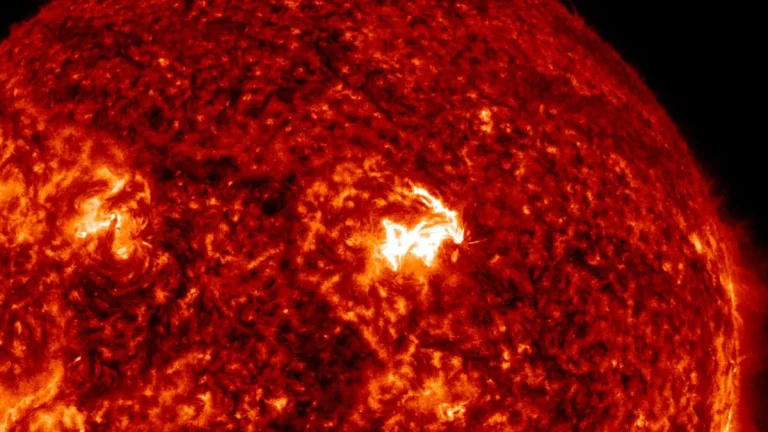
  • Major X1.0 flare erupts from Region 4366, Earth-directed CMEs possible in days ahead

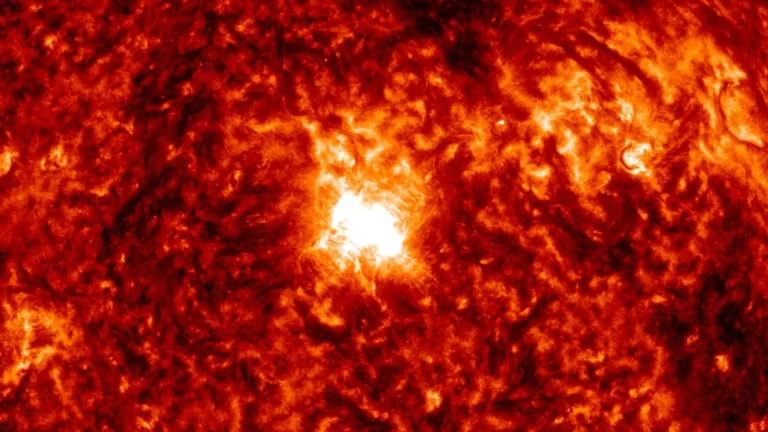
    A major X1.0 solar flare erupted at 12:33 UTC on February 1, 2026, from Active Region 4366, following a sequence of strong M-class flares earlier in the day, including M6.6 and M6.7 flares within two hours. The event started at 11:52 and ended at 12:38 UTC. With the region now rotating toward the center of the solar disk and maintaining a complex beta-gamma-delta magnetic configuration, conditions are favorable for Earth-directed CMEs in the days ahead.

  • Long-duration X1.9 solar flare erupts from Region 4341, Earth-directed CME produced

    A long-duration X1.9 solar flare erupted from Active Region 4341 at 18:09 UTC on January 18, 2026. The event began at 17:27 and ended at 18:51 UTC. Coronagraph imagery indicates that a full halo coronal mass ejection (CME) was produced during the eruption. Given the location of the source region on the solar disk, the CME is considered likely to be at least partially Earth-directed, pending further analysis of its speed and magnetic structure.

  • Multiple Earth-directed CMEs expected to trigger G1 geomagnetic storm and aurora at high latitudes

    Multiple coronal mass ejections (CMEs) launched from Active Region 4334 on January 8, 2026, are expected to deliver a glancing blow to Earth between late January 10 and early January 11, according to the U.S. Space Weather Prediction Center (SWPC). The interaction of several CMEs and a coronal hole high-speed stream is forecast to cause isolated G1 – Minor geomagnetic storm conditions. Aurora may become visible across high latitudes, including the northern tier of the United States, such as northern Michigan and Maine.