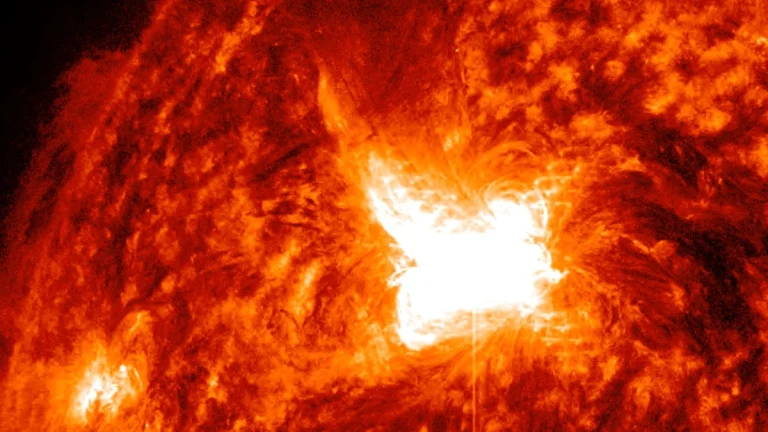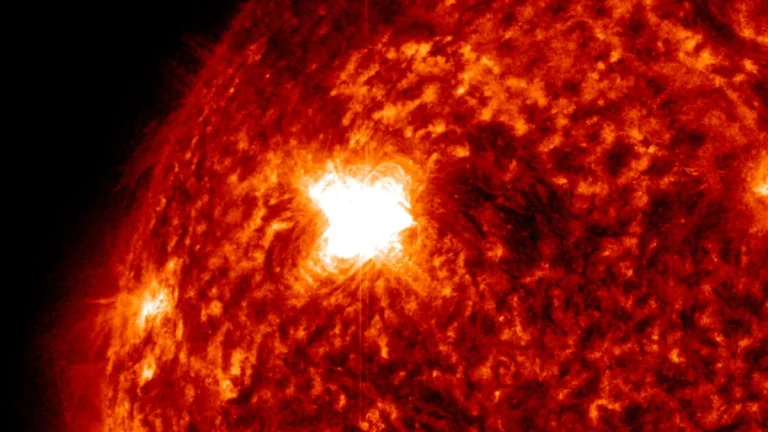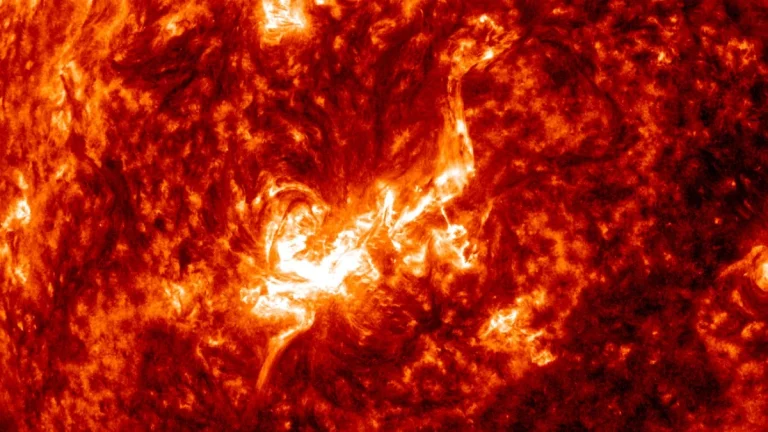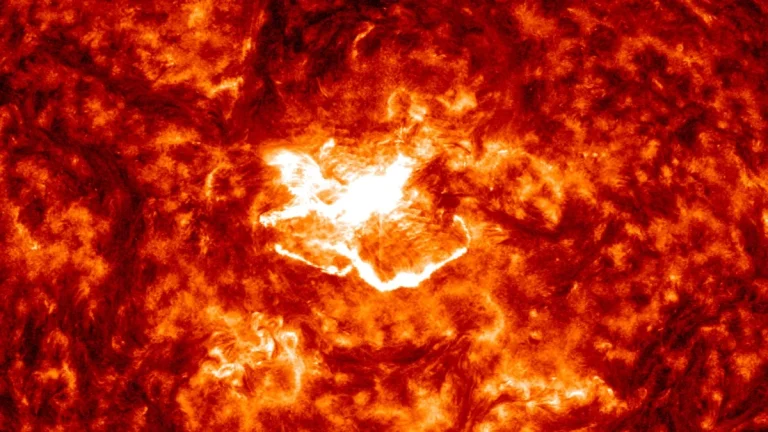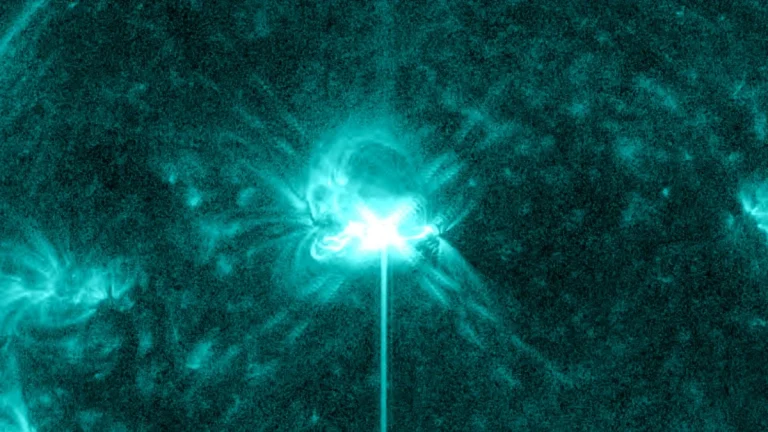
• Long-duration X1.9 solar flare erupts from Region 4341, Earth-directed CME produced

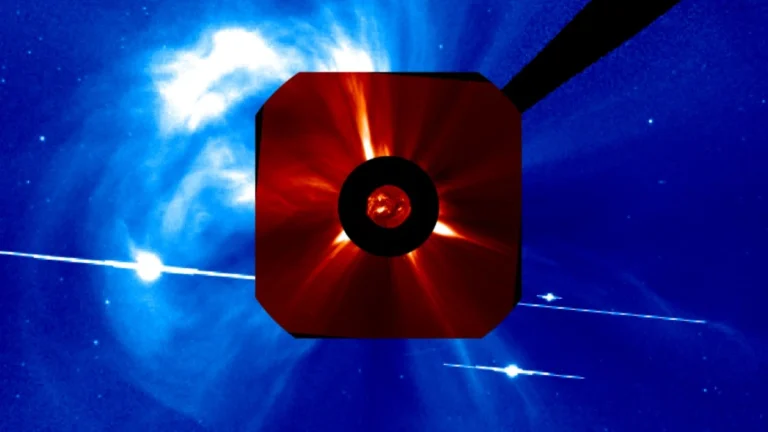
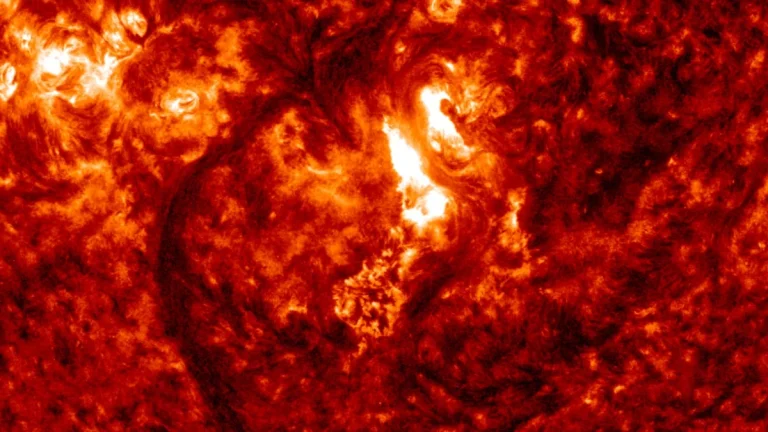
    A long-duration X1.9 solar flare erupted from Active Region 4341 at 18:09 UTC on January 18, 2026. The event began at 17:27 and ended at 18:51 UTC. Coronagraph imagery indicates that a full halo coronal mass ejection (CME) was produced during the eruption. Given the location of the source region on the solar disk, the CME is considered likely to be at least partially Earth-directed, pending further analysis of its speed and magnetic structure.

  • Multiple Earth-directed CMEs expected to trigger G1 geomagnetic storm and aurora at high latitudes

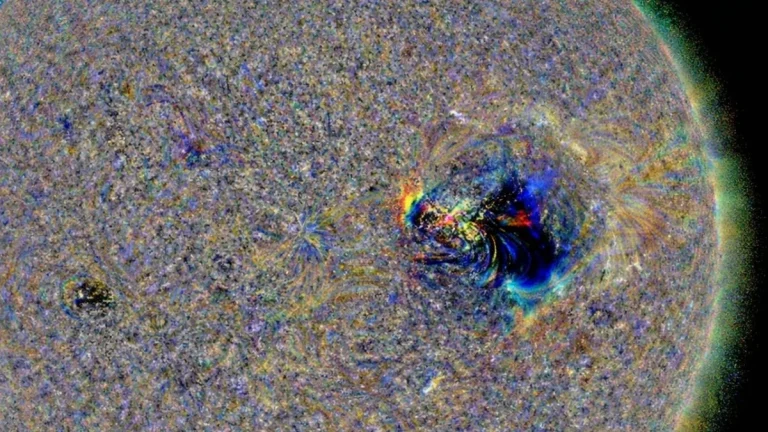
    Multiple coronal mass ejections (CMEs) launched from Active Region 4334 on January 8, 2026, are expected to deliver a glancing blow to Earth between late January 10 and early January 11, according to the U.S. Space Weather Prediction Center (SWPC). The interaction of several CMEs and a coronal hole high-speed stream is forecast to cause isolated G1 – Minor geomagnetic storm conditions. Aurora may become visible across high latitudes, including the northern tier of the United States, such as northern Michigan and Maine.

  • Major X1.9 solar flare erupts from AR 4299, producing partial halo CME

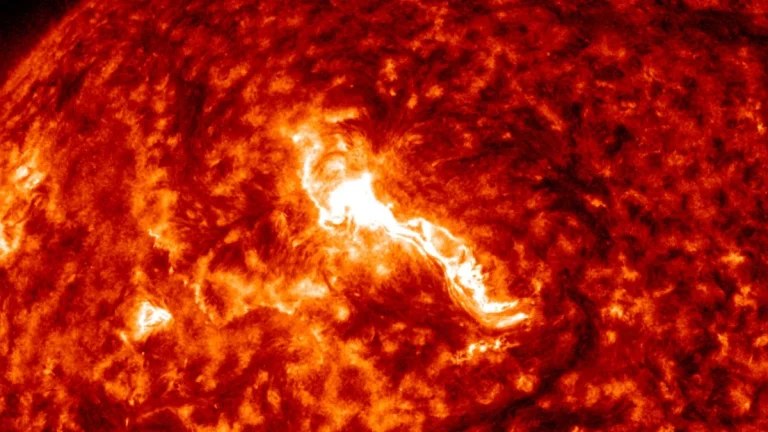
    A major solar flare registered as X1.9 erupted from Active Region 4299 at 02:49 UTC on December 1, 2025. The event started at 02:27 and ended at 03:05 UTC. This region is currently making its second run through the Earth-side of the Sun, after producing multiple X-class flares in early November.

  • Major X1.2 solar flare erupts from Region 4274 producing fast CME

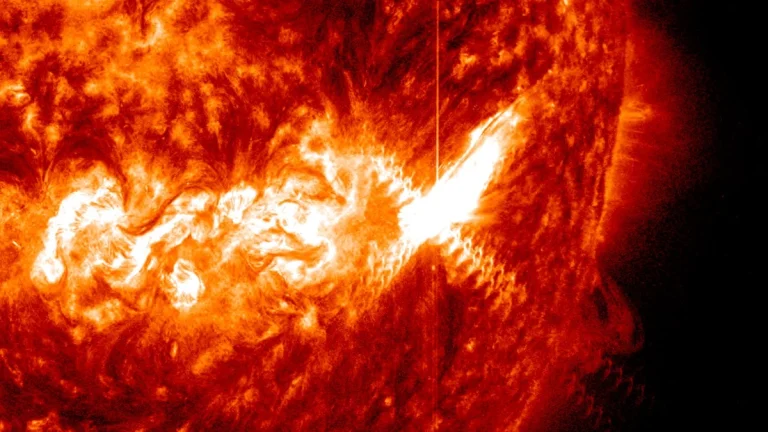
    Active Region 4274 produced its second X-class solar flare since it emerged from the far side last week, this time peaking as X1.2 at 09:19 UTC on November 10, 2025. This is now the third X-class flare since the November 4 X1.8 and X1.1. A coronal mass ejection (CME) was associated with the latest event and is expected to have an Earth-directed component.