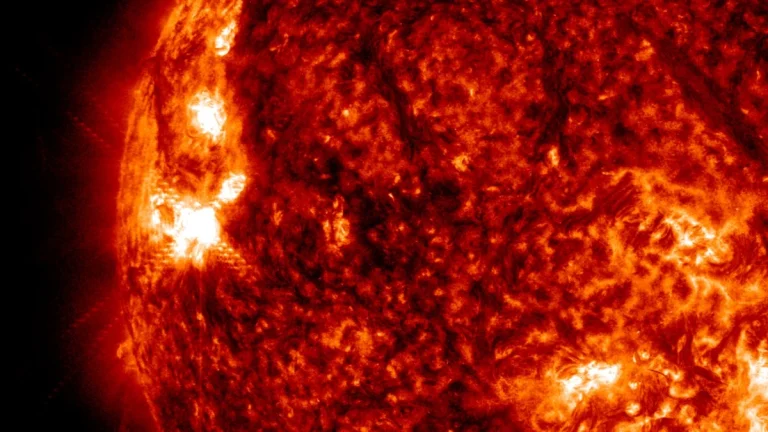
• Long-duration M8.1 solar flare produces strong Earth-directed CME, impact expected on June 1

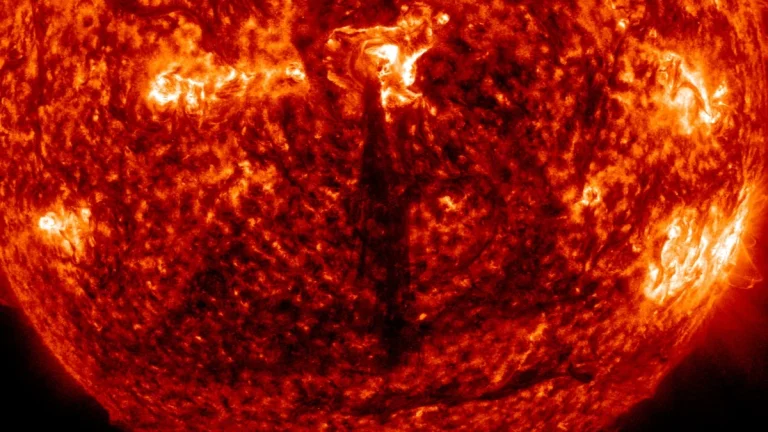
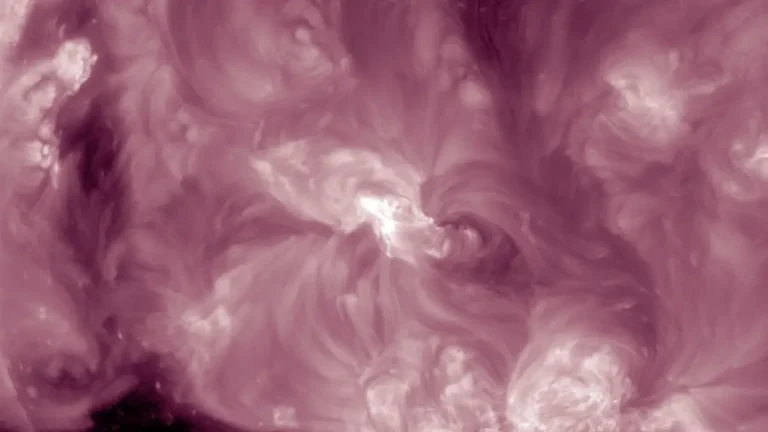
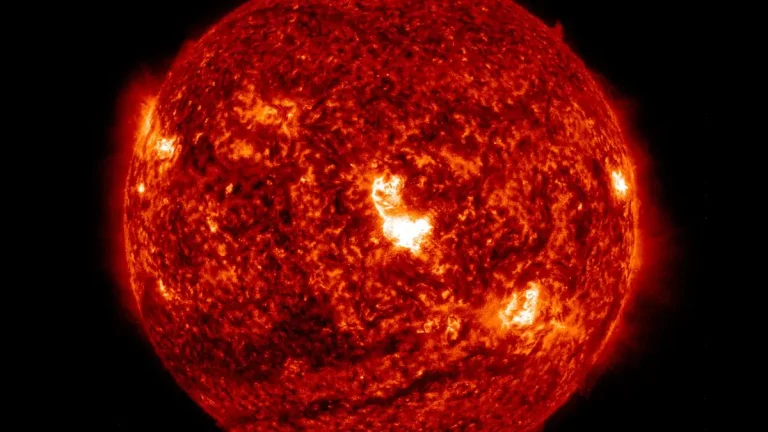
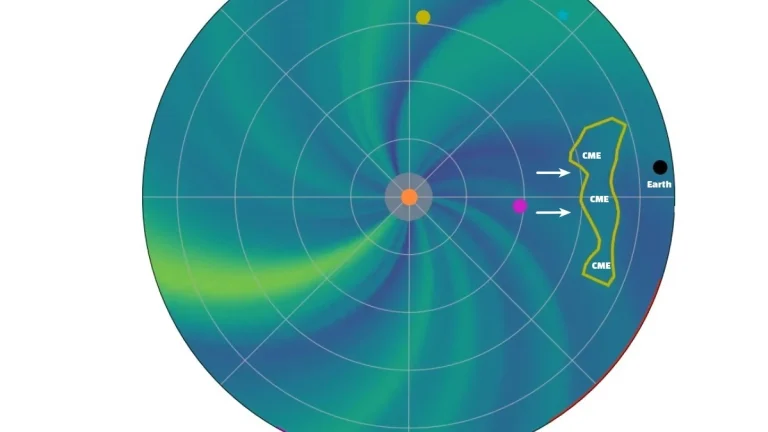
    A strong, long-duration solar flare registered as M8.1 erupted from Active Region 4100 at 00:05 UTC on May 31, 2025. The flare began at 23:31 UTC on May 30 and ended at 01:32 UTC on May 31. The eruption produced a significant coronal mass ejection (CME). Model forecasts indicate that the CME is Earth-directed and is expected to arrive on June 1.

  • Major X1.1 solar flare erupts from Region 4098

    A major solar flare measuring X1.1 erupted at 01:52 UTC on May 25, 2025, from Active Region 4098 located in the southwest quadrant. The event began at 01:46 UTC and ended at 01:57 UTC. Multiple associated radio bursts were detected between 01:48 and 01:53 UTC.

  • Major X2.7 solar flare erupts from Active Region 4087

    A major solar flare measuring X2.7 erupted from Active Region 4087 at 08:19 UTC on May 14, 2025. The event began at 08:04 and ended at 08:31 UTC. This is the 8th X-class solar flare of the year and the strongest to date. It currently ranks as the 15th most powerful flare of Solar Cycle 25, exceeding the X2.56 event observed on February 16, 2024. This is also the second X-class flare within the past 24 hours, following an X1.2 flare at 15:38 UTC on May 14 from a region near the Sun’s west limb.

  • Major X1.2 solar flare erupts from Sun’s west limb

    A major solar flare measuring X1.2 erupted from Active Region 4086 at 15:38 UTC on May 13, 2025. The event started at 15:25 and ended at 15:44 UTC. This is the seventh X-class solar flare of the year and the first since March 28, tying for the third strongest with the X1.2 flare on January 3.

  • Multiple filament eruptions and CMEs observed, none Earth-directed

    Four solar filament eruptions between May 6 and 7, 2025, produced fast-moving CMEs, all of which are expected to pass north or south of the Earth without impacting us. G1 – Minor storm conditions are likely on May 9 due to a combination of CH HSS and a possible glancing blow from a CME launched on May 5.

  • Solar activity increasing as large active region rotates into view

    Solar activity increased on April 29, 2025, with three M-class solar flares recorded during the first half of the UTC day as large Active Region 4079 rotated into Earth’s view. Region 4079, formerly designated AR 4055, underwent significant growth while on the far side of the Sun and is expected to be the primary source of solar activity in the coming days.