Long-duration M1.9 flare produces Earth-directed CME, G1-G2 geomagnetic storm conditions forecast for August 2
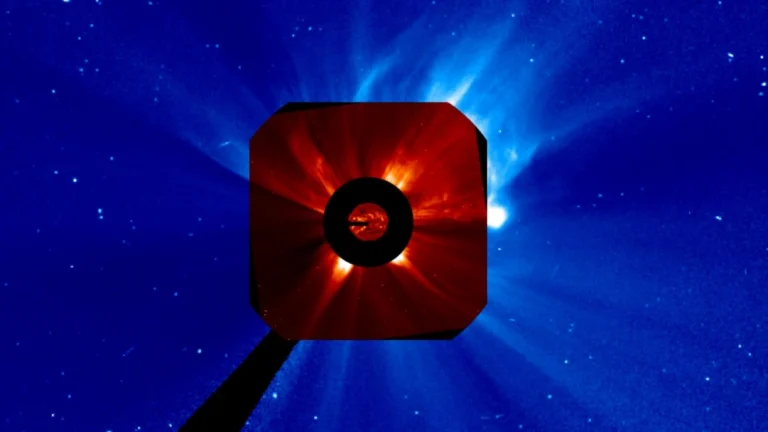
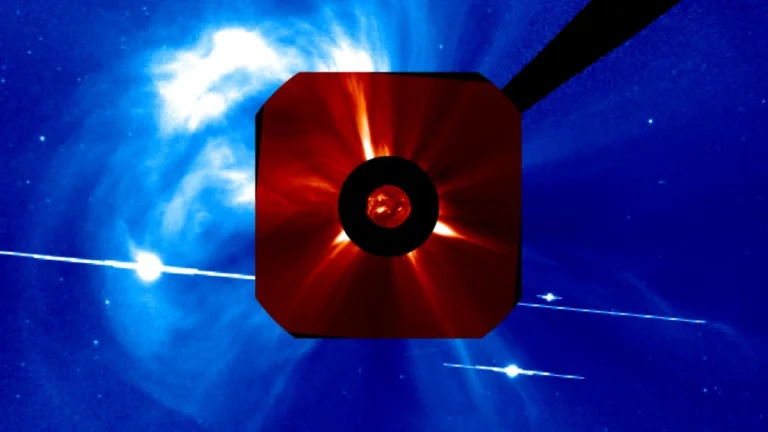
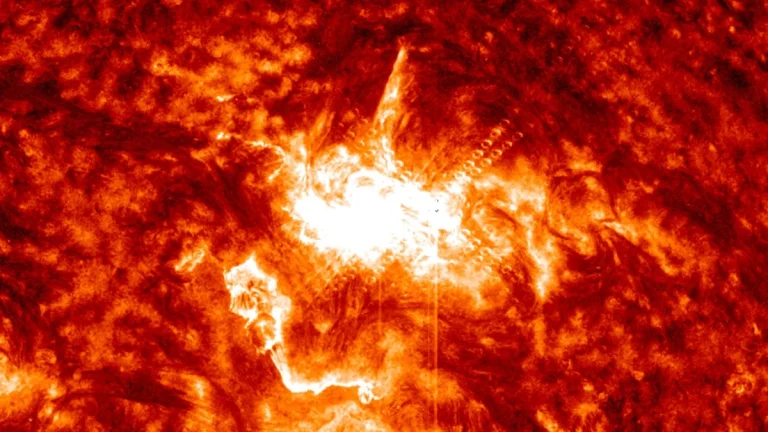
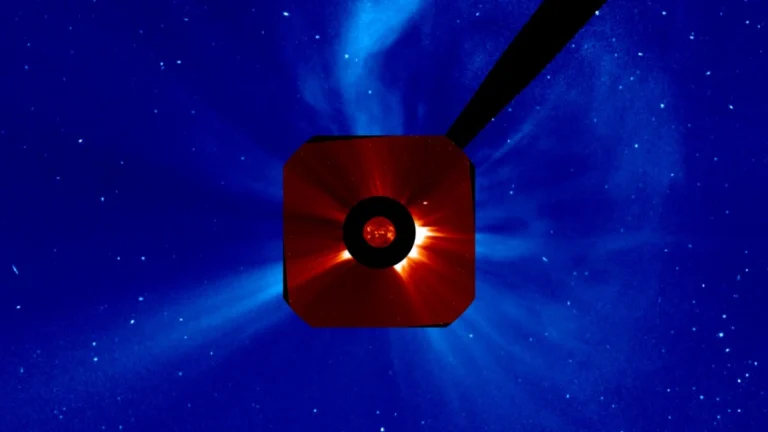
A long-duration M1.9 flare from Active Region 4492 coincided with a filament eruption near N20W67, producing an eruptive sequence associated with an Earth-directed partial-halo CME and an S1 – Minor solar radiation storm on July 30, 2026. WSA-Enlil model runs placed a possible CME arrival at Earth early on August 2, when NOAA’s Space Weather Prediction Center expects G1-G2 (Minor-Moderate) geomagnetic storm conditions.