
Mount Ruapehu Crater Lake heating up, New Zealand
Mount Ruapehu Crater Lake is warming again, with temperatures rising to 16°C (61°F) by August 19, 2025. The Volcanic Alert Level remains at 1, indicating minor volcanic unrest.
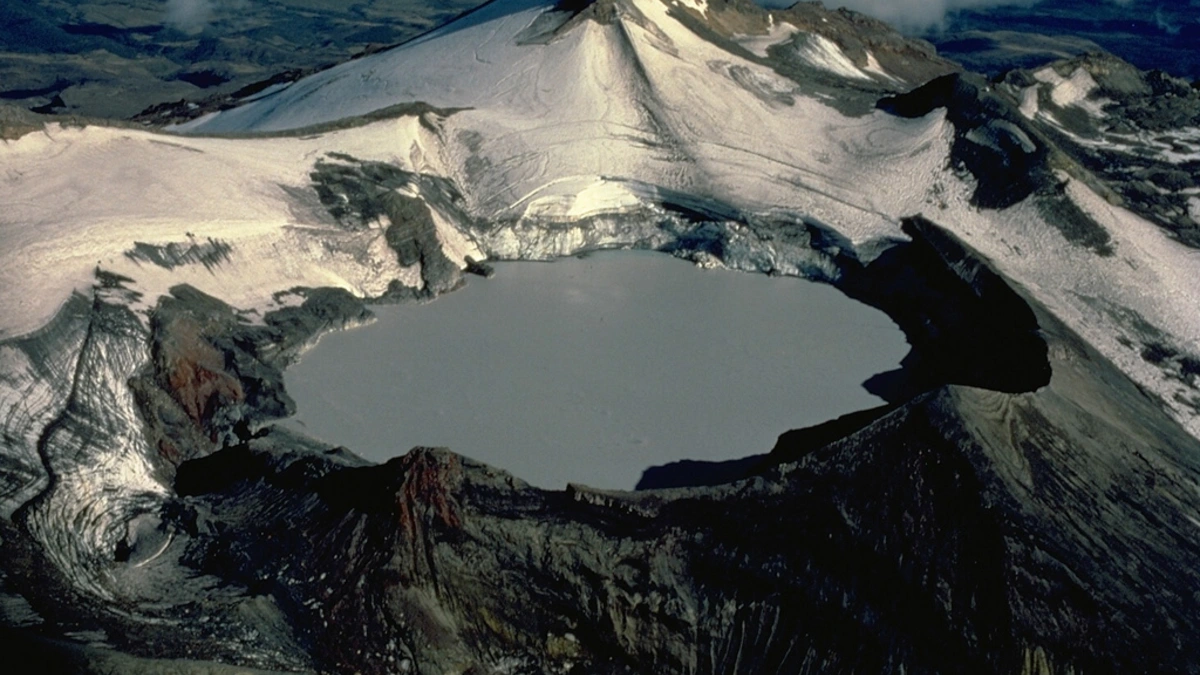
Ruapehu Crater Lake. Credit: Global Volcanism Program
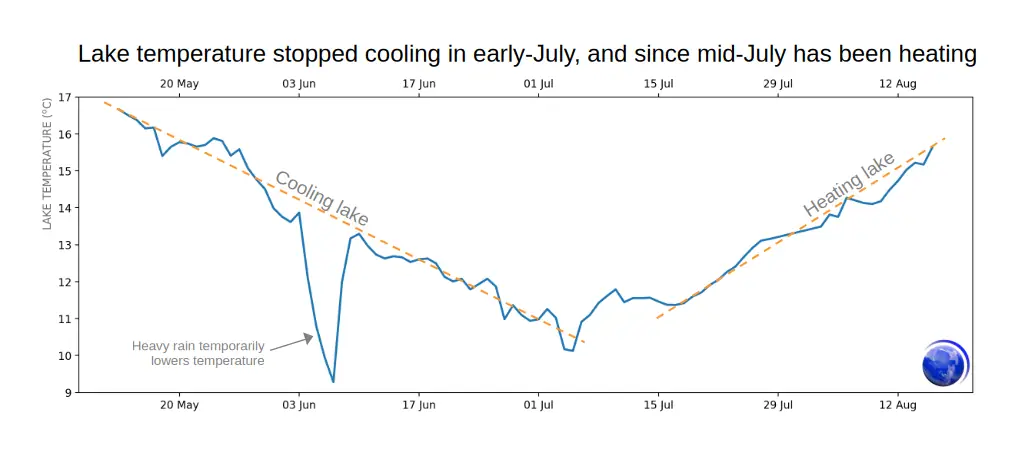
Mount Ruapehu Crater Lake is warming again, according to the latest monitoring update by GeoNet on August 19, 2025. The lake’s temperature has increased from ~11°C (52°F) in mid‑July to ~16°C (61°F).
Despite the heating, the Volcanic Alert Level remains at 1 (minor volcanic unrest), and the Aviation Color Code remains Green.
GeoNet scientists reported that all other monitoring parameters, including volcanic tremor, gas emissions, lake chemistry, and earthquake activity, remain within normal ranges, showing no unusual changes.
This warming follows the end of a cooling cycle observed earlier in 2025. In May, the crater lake averaged 17°C (63°F) and was slowly cooling, accompanied by continuous but moderate gas emissions of ~100–150 tonnes per day (110–165 short tons per day).
By late July, the cooling phase ended, and signs of heating began to appear, with lake temperatures stabilizing at ~11°C (52°F).
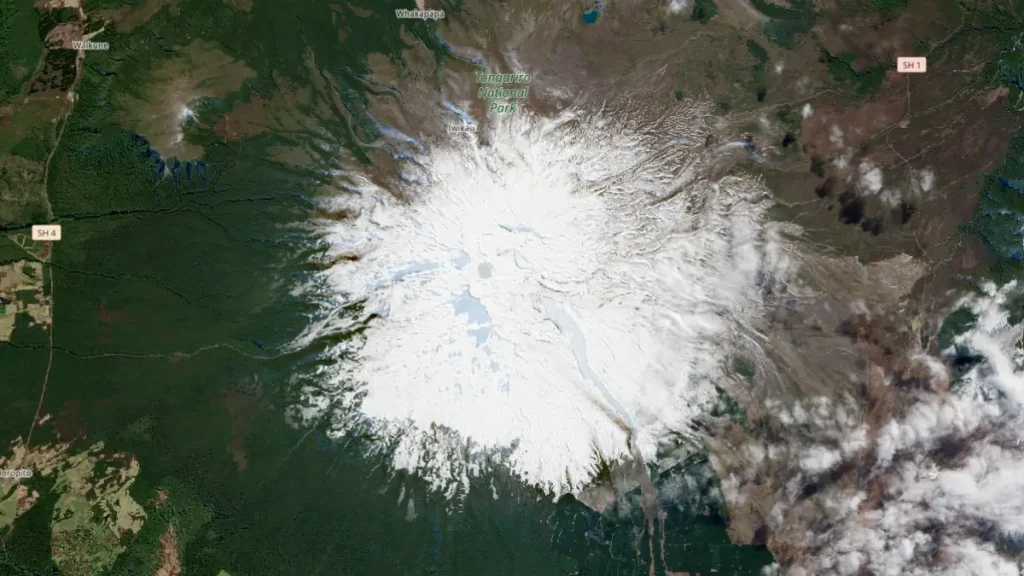
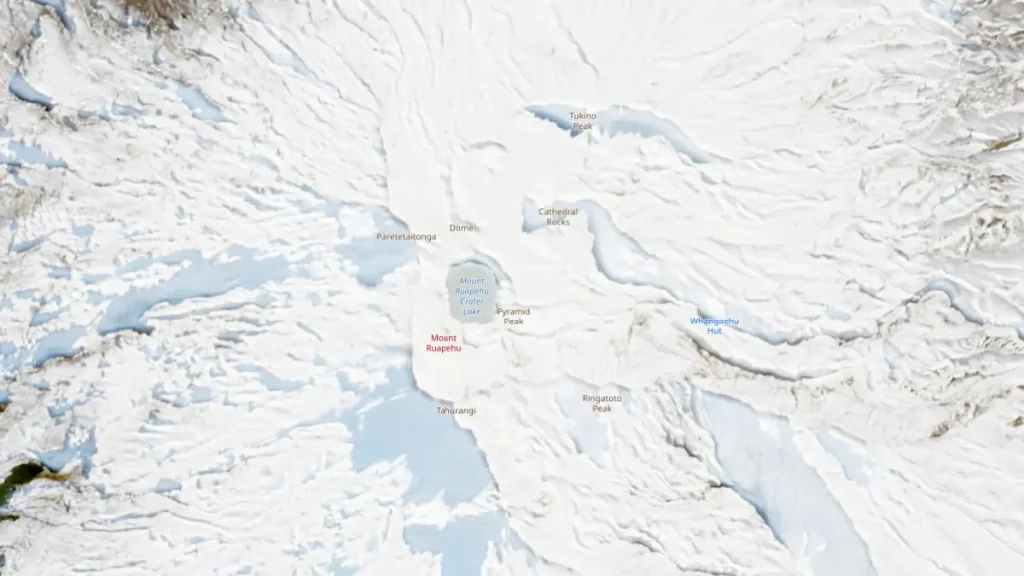
Warming and cooling cycles at Crater Lake are common, reflecting changes in heat and gas flow from Ruapehu’s hydrothermal system beneath the crater lake. Previous episodes have seen temperatures rise above 30°C (86°F), occasionally linked to minor eruptions.

I’m a science journalist and researcher at The Watchers, contributing to the Epicenter edition, where I cover peer-reviewed scientific research and emerging discoveries across Earth and space sciences. With a background in astronomy and a passion for environmental science, I’ve worked in shark and coral conservation in Fiji, conducting reef and shark-behavior research, contributing to mangrove restoration, and earning PADI Open Water and Coral Reef Certifications. I bring a blend of scientific rigor and storytelling to illuminate the discoveries shaping our planet and beyond.

Commenting rules and guidelines
We value the thoughts and opinions of our readers and welcome healthy discussions on our website. In order to maintain a respectful and positive community, we ask that all commenters follow these rules.