
Australia’s worst toxic algae bloom in decades kills over 14 000 marine animals
A toxic algal bloom affecting South Australia’s coastline since March 2025 has killed more than 14 000 marine animals and spread across over 5 000 km² (1 930 mi²), prompting the state government to declare a natural disaster. Experts describe it as one of the worst harmful algal bloom (HAB) events in Australia’s recorded history.
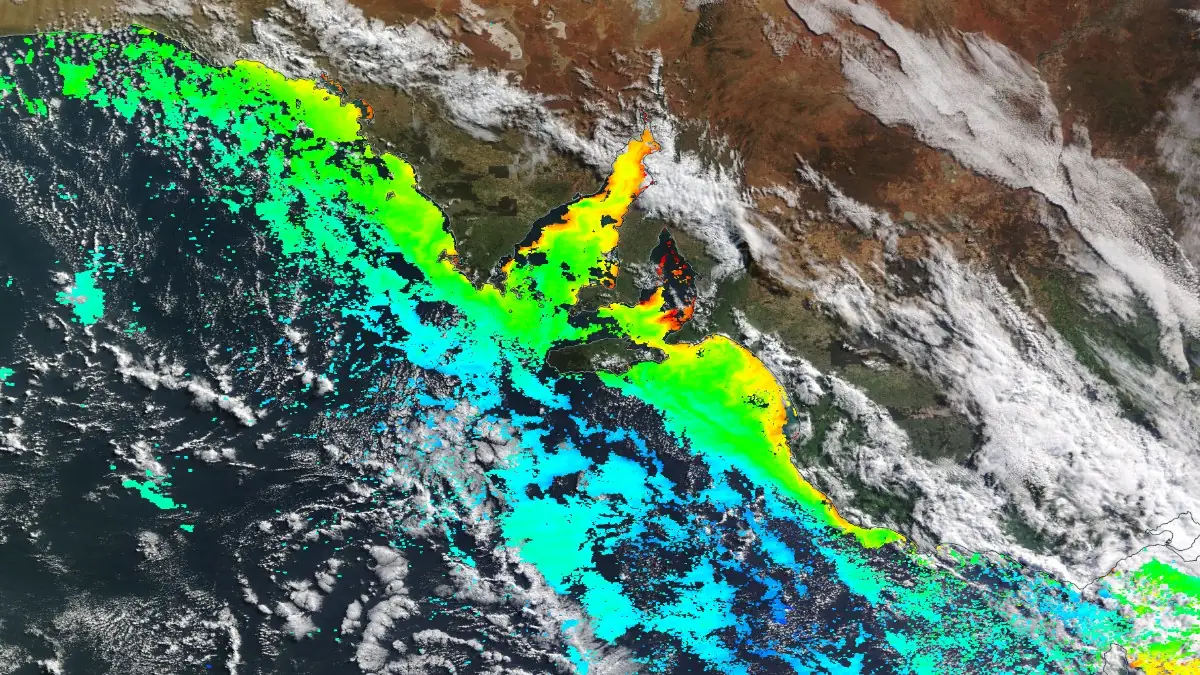
Satellite image showing elevated chlorophyll-a concentrations along the coast of South Australia on July 17, 2025. Red and orange areas indicate high phytoplankton density, consistent with the ongoing harmful algal bloom in the region. Credit: NASA Terra/MODIS, The Watchers
A toxic bloom of the dinoflagellate Karenia mikimotoi has affected South Australia’s coast since March 2025, killing at least 14 000 marine animals and covering an estimated area of over 5 000 km² (1 930 mi²).
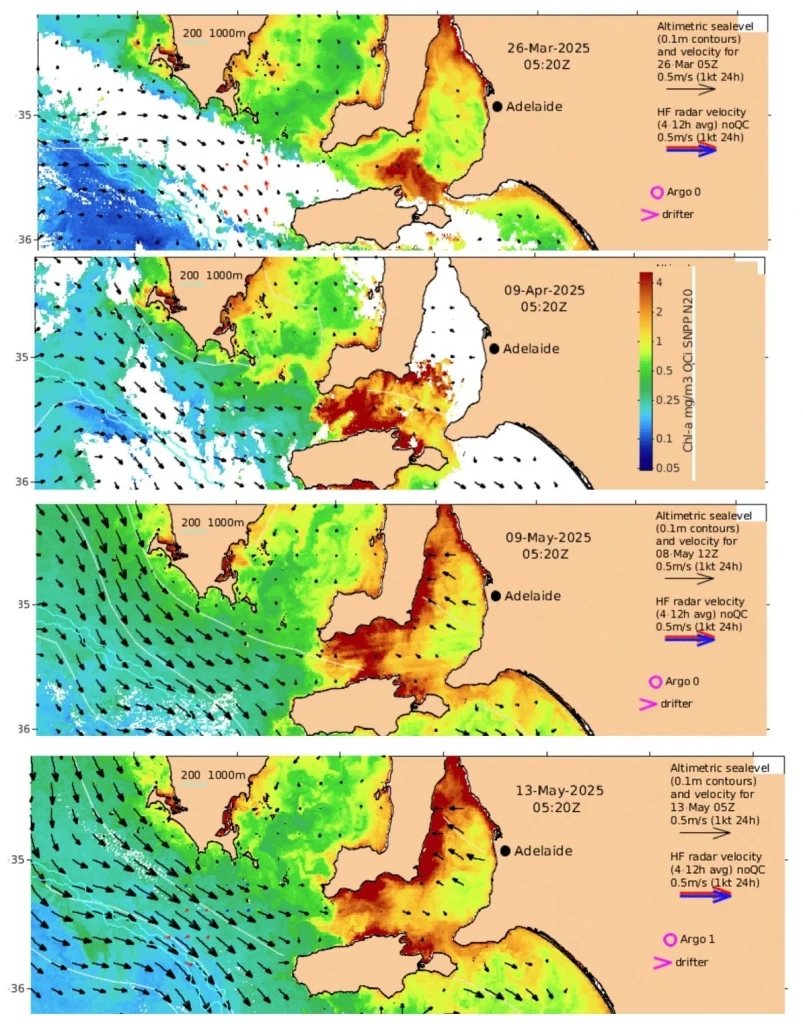
The bloom, which was initially expected to recede in winter, has expanded through the Gulf of St Vincent, including beaches adjacent to Adelaide. Local marine ecosystems have experienced what experts describe as one of the worst harmful algal bloom (HAB) events in Australia’s recorded history.
The event has resulted in the mass deaths of at least 458 marine species. These include common finfish, sharks, rays, turtles, penguins, and the rare leafy (Phycodurus eques) and weedy (Phyllopteryx taeniolatus) seadragons, slow-dispersing fish endemic to southern Australia.
Observations compiled by citizen scientists via iNaturalist and scientific investigations suggest mortality extends into deep marine zones, far beyond recorded beach stranding.
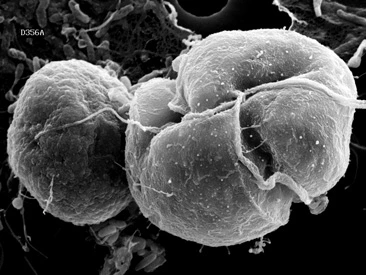
Karenia mikimotoi is a naturally occurring marine dinoflagellate, but under certain conditions it rapidly proliferates into blooms that produce reactive oxygen species and consume dissolved oxygen.
The result is often a hypoxic environment causing widespread gill and neurological damage in marine organisms. Its ability to move vertically in the water column enables prolonged survival and dispersal.
Ocean surface temperatures in the region have remained 2.5°C (4.5°F) above average for months, with calm weather conditions preventing natural ocean mixing. These factors have promoted thermal stratification, enabling the bloom to sustain and expand.
Additionally, significant nutrient enrichment occurred due to prior River Murray flooding in 2022 and subsequent cold-water upwelling events that brought deep, fertilized water to the surface.
The region’s geography has exacerbated the situation. The Gulf of St Vincent, with limited tidal exchange and shallow topography, accumulates runoff from agricultural and urban sources. This, combined with ongoing sea surface warming driven has led to ideal conditions for HAB formation and expansion.
South Australia’s seadragon populations, both leafy and weedy, are now considered at risk of local extinction in affected areas.
These species are highly dependent on seagrass beds and kelp forests, which have themselves been degraded by previous storms and land-based pollution. Their limited mobility, low genetic diversity, and narrow habitat range further increase vulnerability.
In response, the South Australian government has declared the bloom a natural disaster and committed AUD 14 million (USD 9.3 million) in support.
The federal government, while providing financial assistance, has declined to designate the event as a national emergency. A Senate inquiry has been launched, with findings due by October 28.
Scientists from multiple Australian institutions have proposed a seven-point action plan, including emergency ecological monitoring, restoration of kelp and seagrass beds, and expansion of coastal water-quality tracking.
They emphasize that such blooms are likely to recur under ongoing climate warming unless significant reductions in greenhouse gas emissions and nutrient runoff are achieved.
Wave activity from upcoming storm systems may help disperse the bloom, but similar events in May failed to resolve it. Experts warn that decaying biomass from the current bloom could perpetuate future events, establishing a feedback loop.

I’m a science journalist and researcher at The Watchers, contributing to the Epicenter edition, where I cover peer-reviewed scientific research and emerging discoveries across Earth and space sciences. With a background in astronomy and a passion for environmental science, I’ve worked in shark and coral conservation in Fiji, conducting reef and shark-behavior research, contributing to mangrove restoration, and earning PADI Open Water and Coral Reef Certifications. I bring a blend of scientific rigor and storytelling to illuminate the discoveries shaping our planet and beyond.

Commenting rules and guidelines
We value the thoughts and opinions of our readers and welcome healthy discussions on our website. In order to maintain a respectful and positive community, we ask that all commenters follow these rules.