• Large marine heatwave persists off the U.S. West Coast since summer 2025

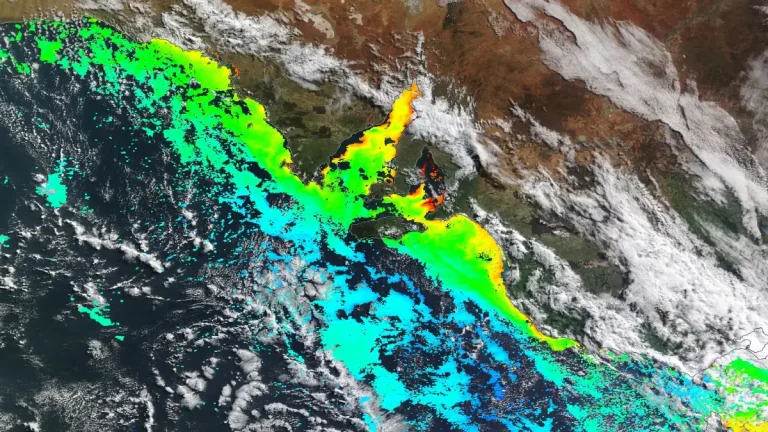
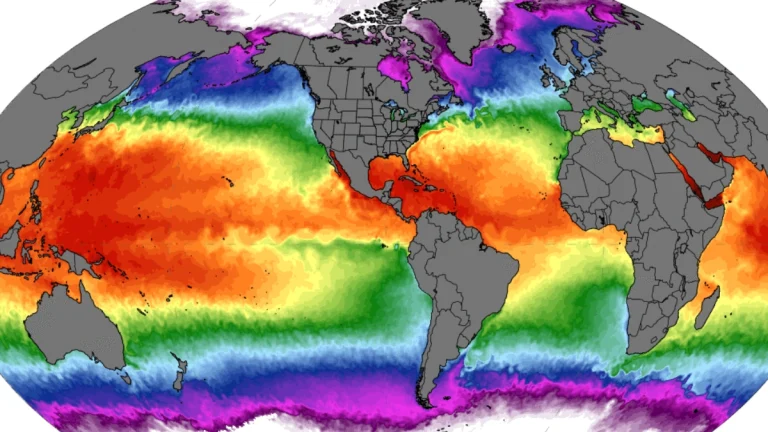
    A large marine heatwave has persisted along the U.S. West Coast since summer 2025, raising sea surface temperatures about 1.7–2.2°C (3–4°F) above average across parts of the Northeast Pacific. In a report published March 3, 2026, the National Oceanic and Atmospheric Administration (NOAA) Fisheries said this is only the third time in the observational record for the California Current ecosystem that such a large portion of coastal waters has remained anomalously warm for so long into winter without El Niño conditions.
  • Nuclear-linked iodine-129 detected in the West Philippine Sea

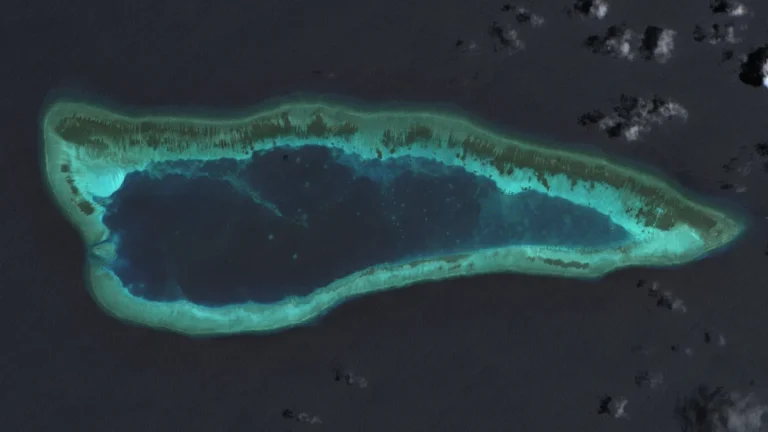
    Elevated concentrations of iodine-129 were detected in seawater samples collected recently from the West Philippine Sea during a nationwide marine radioisotope survey conducted by the University of the Philippines Marine Science Institute. The concentrations were higher than those measured in other Philippine marine areas, despite the Philippines having no active nuclear power plant or nuclear weapons program.

  • Dense mats of decomposing sargassum invade Dania Beach, Florida

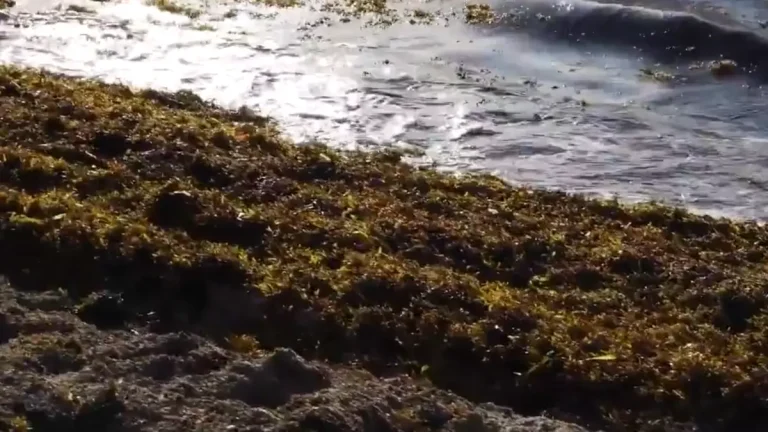
    Thick accumulations of decomposing sargassum seaweed washed ashore in Dania Beach, Florida on July 23, 2025, releasing hydrogen sulfide odors and prompting cleanup efforts. The event was part of a broader seasonal trend affecting Florida’s coastlines, driven by ocean currents and wind patterns transporting offshore blooms inland.

  • Mass Velella stranding covers beaches in Ventura County, California

    Thousands of Velella velella, also known as by-the-wind sailors, washed ashore on beaches in Ventura County, California, from late April to early May 2025. The mass stranding, driven by onshore winds and warm ocean conditions, reflects seasonal oceanographic changes along the California coast.

  • Six new species discovered beneath Antarctic seafloor after iceberg A-84 break-off

    An international team exploring the seafloor after iceberg A-84 broke off the George VI Ice Shelf in January 2025 discovered a previously unseen ecosystem, raising questions about how life adapts to some of the harshest environments on the planet. Since the area became accessible, at least six new species have been identified in the region.

  • Study reveals complex behavior and environmental impact of unpredictable deep-sea currents

    A comprehensive investigation headed by Lewis P. Bailey of the National Oceanography Centre and involving global collaborations revealed the complicated and unpredictable behaviour of deep-sea currents. This four-year study offshore North Mozambique investigates how these currents interact with the seafloor, challenging existing models and bringing new insights into marine ecosystems.