
Strong glacial flood in Mýrdalsjökull, Aviation Color Code for Katla raised to Yellow, Iceland
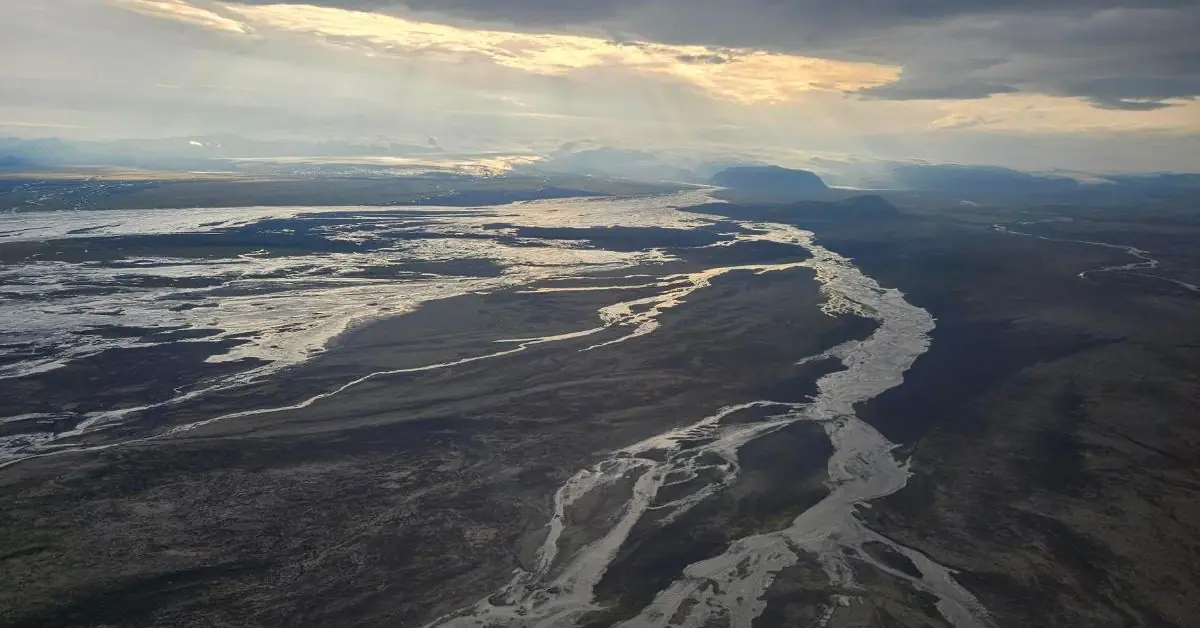
Image credit: IMO
A strong glacial flood began in Mýrdalsjökull, an ice cap atop the Katla volcano in southern Iceland, around 11:00 UTC on July 27, 2024. This event prompted authorities to raise the Aviation Color Code for Katla volcano to Yellow.
The glacial flood increased the flow rate of the Skálm River to more than 1 000 m3 (35 300 feet3), resulting in the destruction of part of the ring road and a bridge over the river.
The National Police Commissioner’s Public Defense declared a level of uncertainty in consultation with the police chief in South Iceland. Additionally, the Icelandic Met Office (IMO) raised the Aviation Color Code for Katla volcano to Yellow.
The flow had decreased significantly by 21:00 UTC on July 27, IMO reported, adding that there were no signs of runoff reaching Múlakvísl or other rivers from Mýrdalsjökull.

“The Norwegian Meteorological Agency continues to monitor the area and closely monitor unrest and seismic activity under the glacier. It can take up to 24 hours for the activity to return to what is known as ‘normal background activity’, so this scenario can be declared over,” IMO said.
There are no signs in the Norwegian Meteorological Agency’s data that a volcanic eruption caused the glacier run.
Although it was an unusually large run, this event was caused by geothermal heat in the glacier’s cauldrons.
A GPS meter located on Austmannsbunga shows clear signs that the changes measured in the caldera are a regular glacier run. However, it is unclear what caused more water to be released than is generally the case from such runs.
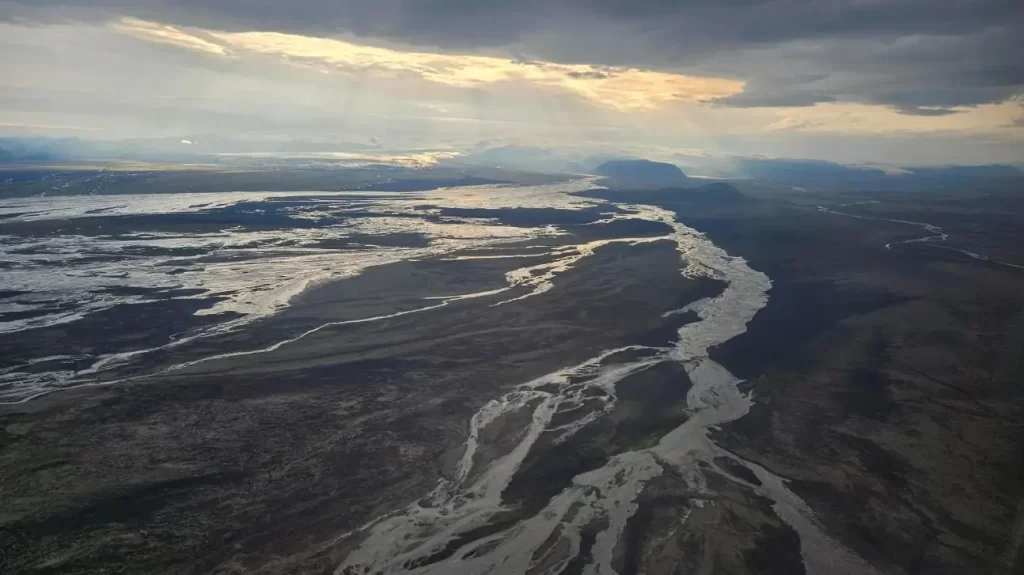
The Coast Guard went on a patrol flight with scientists from the Meteorological Office and the University of Iceland to investigate the situation. During that flight, it was confirmed that runoff only came from Sandfellsjökull and from there reached the course of the river Skálm. There was no visibility over Mýrdalsjökull to confirm which boilers the running water came from.
In an update posted at 12:00 UTC on July 28, IMO said the water level and electrical conductivity in Skálm has decreased considerably since July 27.
“Low seismic activity was measured under the glacier last night and night. In the morning, several earthquakes were recorded, the largest with a magnitude of 2.9 around 06:00 UTC [July 28]. There was no change in unrest as a result.
“If no further seismic activity or runoff turbulence is measured, no further runoff from Mýrdalsjökull is expected at this time. However, the National Weather Service continues to monitor the area closely,” IMO said.
As it happened after the big run in Múlakvísl in 2011, activity in Mýrdalsjökull can be expected to remain high with seismic activity and frequent smaller glacier runs this year that flow from the glacier.
All things considered, about 2 million m3 (70.6 million feet3) of water must be collected in Mýrdalsjökull’s cauldrons before it flows forward. Based on the first estimate of the size of the run in Skálm, it is many times more than in a traditional run.
“Scientists will analyze the collected data to get a better picture of what caused such a large run. But as was mentioned in the news yesterday, there are no signs in the Norwegian Meteorological Agency’s data that a volcanic eruption has caused a glacier run this time.”
Satellite images show that the well-known caldera on Mýrdalsjökull has subsided.
It may take several days for the flow in Skálm to return to normal for the time of year.
References:
1 Áfram dregur úr áhrifum hlaupsins sem hófst í Mýrdalsjökli – IMO – July 27 and 28, 2024

I'm a dedicated researcher, journalist, and editor at The Watchers. With over 20 years of experience in the media industry, I specialize in hard science news, focusing on extreme weather, seismic and volcanic activity, space weather, and astronomy, including near-Earth objects and planetary defense strategies. You can reach me at teo /at/ watchers.news.

Commenting rules and guidelines
We value the thoughts and opinions of our readers and welcome healthy discussions on our website. In order to maintain a respectful and positive community, we ask that all commenters follow these rules.