• Evidence of supernova explosions and super solar flares hidden in Earth’s history

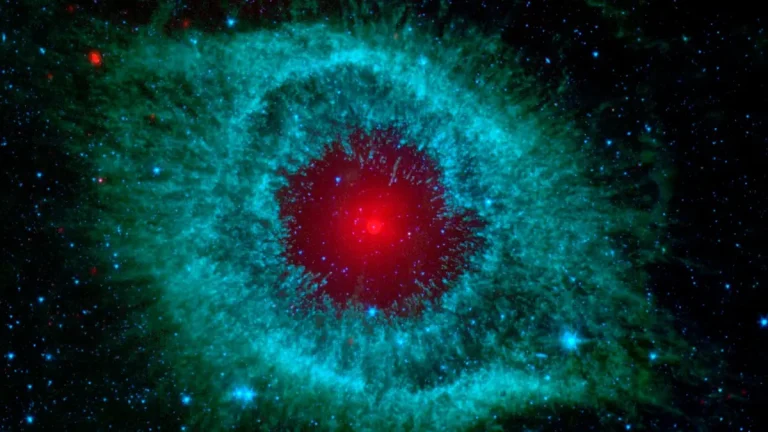
    Scientists have discovered new evidence that Earth has been bombarded by extreme cosmic radiation in the past, leaving “fingerprints” of supernova explosions and solar superflares in tree rings and ice cores. These rare events, known as Miyake Events, reveal sudden spikes in radiocarbon (¹⁴C) levels, suggesting that powerful cosmic forces — ranging from massive solar storms to nearby supernovae –may have impacted Earth’s atmosphere far more frequently than previously thought. A newly identified event from 12 350 BCE could be the most intense yet, challenging our understanding of space weather and cosmic threats to our planet.

  • Upcoming nova explosion in T CrB star system offers rare night sky event

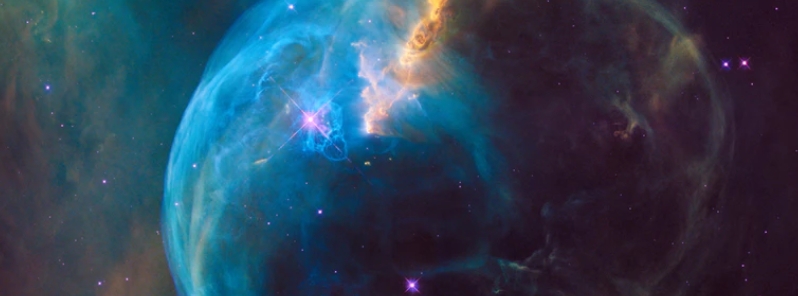
    In a stellar event anticipated to occur between now and September 2024, the T Coronae Borealis (T CrB) star system, located 3 000 light-years away, is predicted to undergo a nova outburst, becoming visible to the unaided eye. This rare occurrence, last witnessed in 1946, will temporarily elevate the system’s brightness to match that of the North Star, offering a unique viewing opportunity.

  • Supernovas, neutron stars and black holes ‘break the rules’

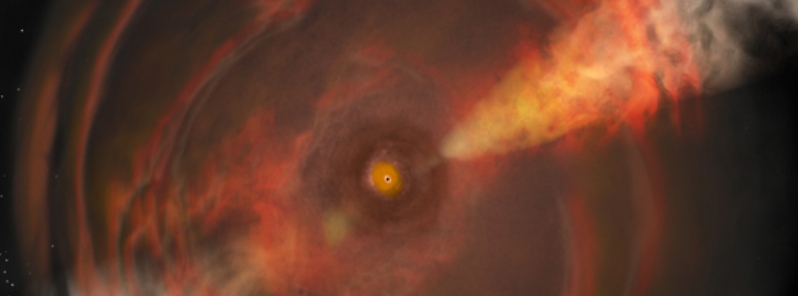
    In an interview with Wal Thornhill, Chief Science Advisor of The Thunderbolts Project, we explore a number of intriguing space science discoveries, including supernovae, "neutron stars," "black holes" and "white dwarf" stars which…

  • Astronomers discover a star that just keeps shining

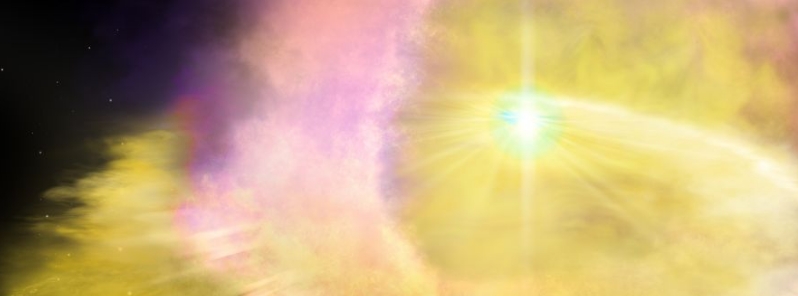
    An international team of astronomers led by Las Cumbres Observatory (LCO) has made a bizarre discovery; a star that just keeps shining. Supernovae, the explosions of stars, have been observed in the thousands and in all cases they marked the death of a star. But in…