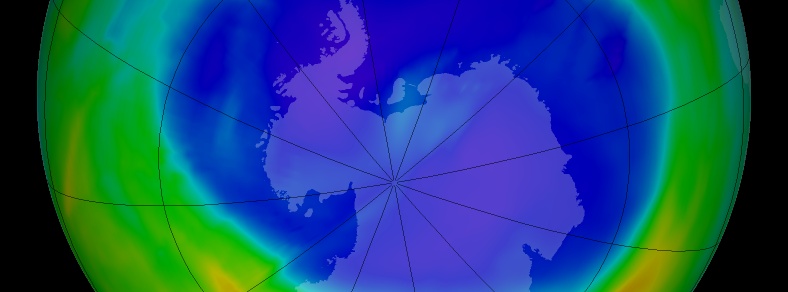
• 2014 ozone hole update

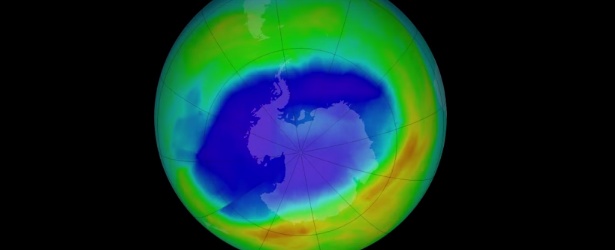
    According to scientists from NASA and NOAA, the Antarctic ozone hole reached its annual peak on September 11 with the size of 24.1 million square kilometers (93 million square miles). Overall, the 2014 ozone hole is smaller than the large holes of the 1998–2006 pe
  • World Ozone Day 2014

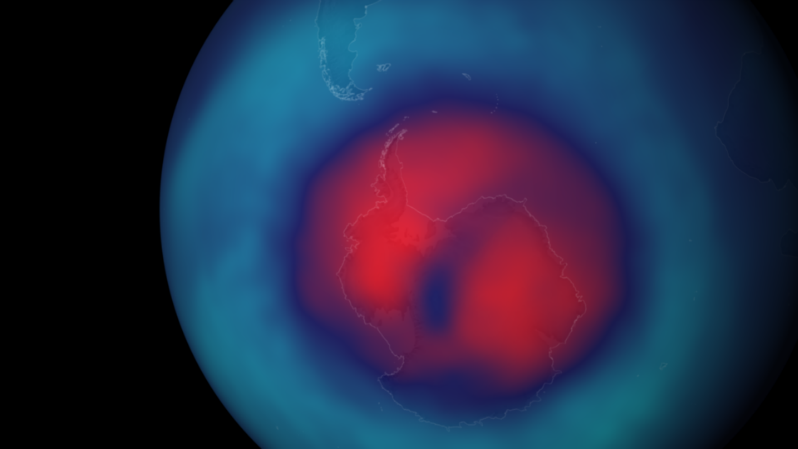
    September 16, 2014 – The World Ozone Day, is meant to commemorate the success that has been achieved in ameliorating ozone depletion since the enactment of the Montreal Protocol, but also to bring attention to the work ahead. In their first review in four years on

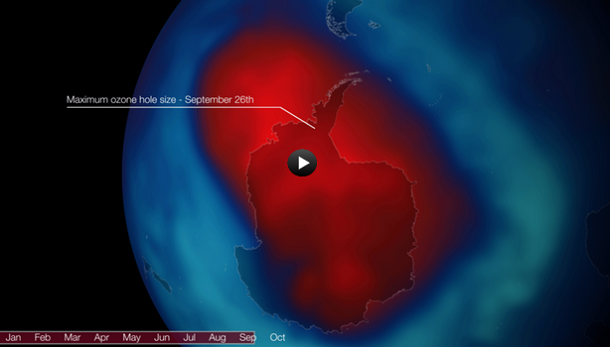
  • Antarctic ozone hole reaches maximum size for 2013

    Each year for the past few decades during the Southern Hemisphere spring, chemical reactions involving chlorine and bromine cause ozone in the southern polar region to be destroyed rapidly and severely. This depleted region is known as the “ozone

  • Ozone thinning has influenced ocean circulation

    The hole in the Antarctic ozone layer has caused changes in the way that waters in those southern oceans mix, which has the potential to alter the amount of CO2 in the atmosphere and eventually could have an impact on global climate change, according to earth scientist