
Scientists in Iceland drilled straight into 900°C magma by accident, and the well was so energy-dense it could produce nearly ten times the power of a conventional geothermal well
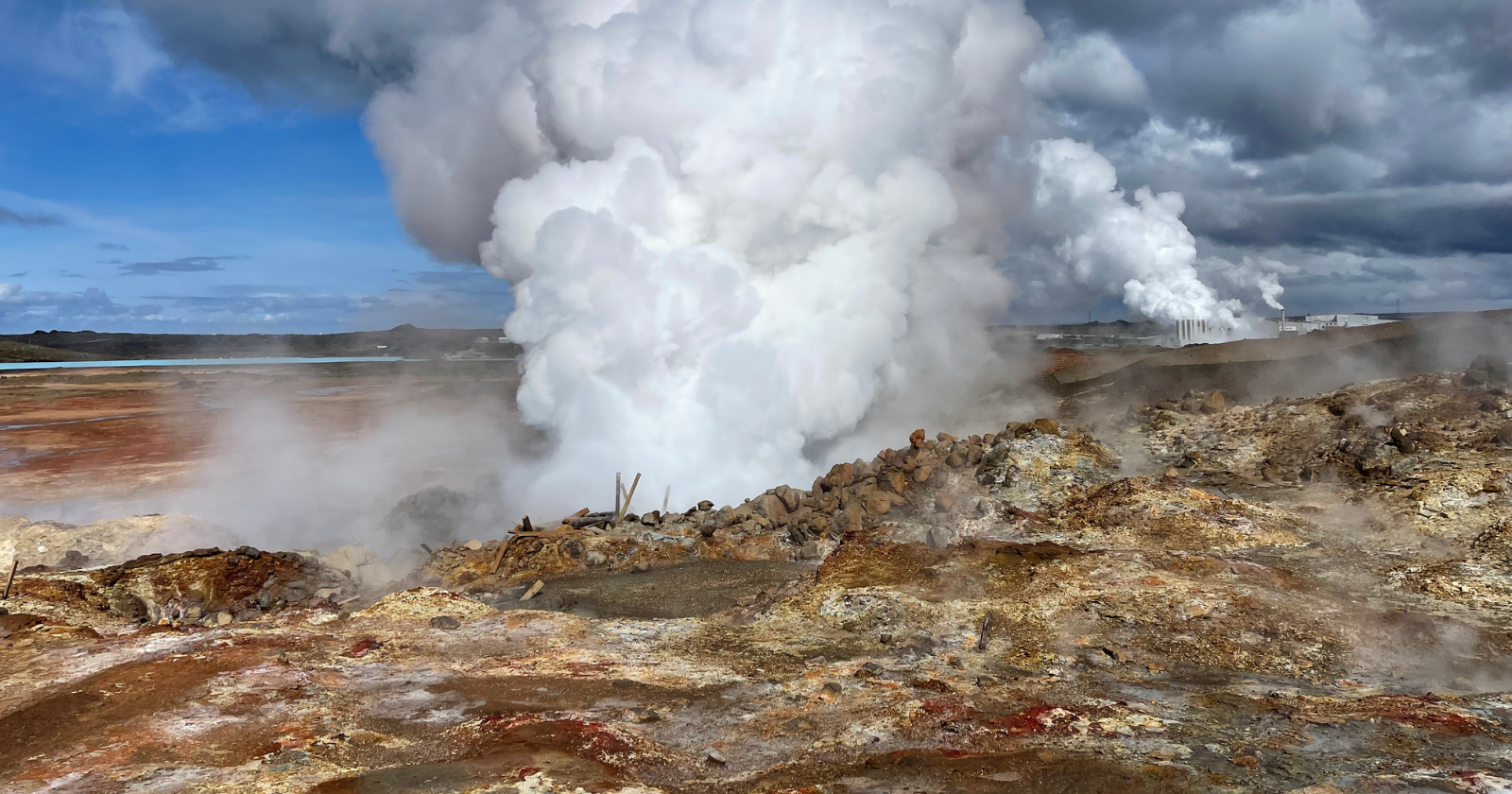
In June 2009, a drilling crew in northeast Iceland was boring deep into the ground near a volcanic crater named Víti, which means “hell” in Icelandic. Their target was more than 4 kilometres down. At about 2 kilometres, the drill suddenly stopped making progress.
When they examined what came back up, they found volcanic glass. The drill had punched into a pocket of molten rock, magma at around 900 to 1,000°C. It was only the second time anyone had drilled into magma, and it turned an ordinary energy project into a world first.
The hunt for extreme heat
The well, called IDDP-1, was part of the Iceland Deep Drilling Project, a partnership between Iceland’s energy companies and scientists. It was drilled at Krafla, a volcanic area that last erupted in the 1980s and is home to a 60-megawatt geothermal power station.
The goal was to reach “supercritical” water deep underground. At extreme heat and pressure, water becomes neither liquid nor gas and can carry far more energy than ordinary steam. Nobody expected to hit magma so close to the surface.
Turning an accident into an experiment
Drilling into magma could have been dangerous, but the magma didn’t erupt up the hole. Instead, it cooled and hardened into glass at the bottom of the well, forming a plug.
Rather than abandon the site, the team decided to see what the well could do. They lined it with a steel casing, perforated near the bottom, and let the heat build slowly. The surrounding rock cracked as it cooled, connecting the well to the hot fluids above it.
A world-record well
When the team opened the well, superheated, high-pressure steam came roaring out at more than 450°C, the hottest ever produced by a geothermal well. Measurements suggested the well could generate up to 36 megawatts of electricity, more than half the output of the entire Krafla power station.
A typical well at Krafla produces only a fraction of that. Project leaders estimated that IDDP-1 delivered up to ten times the energy of a conventional well there. The reason is the steam’s extreme heat and pressure, which carry far more energy per kilogram than ordinary geothermal steam.
A short life
Harnessing that energy proved difficult. The steam was highly acidic and corrosive, damaging equipment, and engineers had to find ways to clean and cool it before it could be used.
In July 2012, after about two years of testing, a valve failed and the well had to be sealed. IDDP-1 never fed power into the grid on a regular basis. But it proved that drilling into magma could be done safely and that the energy near magma is real and enormous.
Drilling into magma on purpose
That accident led to a new project. The Krafla Magma Testbed, or KMT, aims to drill into the same magma body deliberately and build the world’s first magma observatory. Its first well, KMT-1, a monitoring borehole about 2,100 metres deep, was planned to begin drilling in 2026, with a second energy research well planned for 2028.
The project’s goals go beyond power. Placing sensors at the edge of a magma body could help scientists understand how volcanoes behave before eruptions, improving warnings for people living near volcanoes around the world. KMT’s leaders also hope to show that magma-heated wells can improve the economics of geothermal power by up to ten times.
Why it matters beyond Iceland
Iceland already gets most of its heating and a large share of its electricity from geothermal energy. But most geothermal wells worldwide tap only modest temperatures, which limits how much power they can produce.
If engineers can learn to build wells that survive extreme heat and acidity, near-magma geothermal energy could become a powerful source of clean electricity in volcanic regions. The crew that struck magma in 2009 didn’t find what they were looking for. They found something that may prove far more valuable.

The Watchers Staff covers earthquakes, volcanoes, severe weather, space weather and other natural events. Published since 2011, The Watchers reports on a changing planet and the science behind it.
Published in the last 24 hours
- For decades the heavy rocks that carve trails across a Death Valley lakebed were never seen moving, until cameras caught them gliding on thin rafts of melting ice pushed by a light wind Epicenter
- Bay of Bengal system to become Cyclone Akvan, landfall forecast between Nellore and Tuni on November 20, India
- El Niño floods kill 2 in Guayaquil as 172.8 mm of rain swamps Milagro, Ecuador's toll rises to 14
- Southern Thailand braces for heavy rain, 15 provinces on flood and landslide alert for November 18-22
